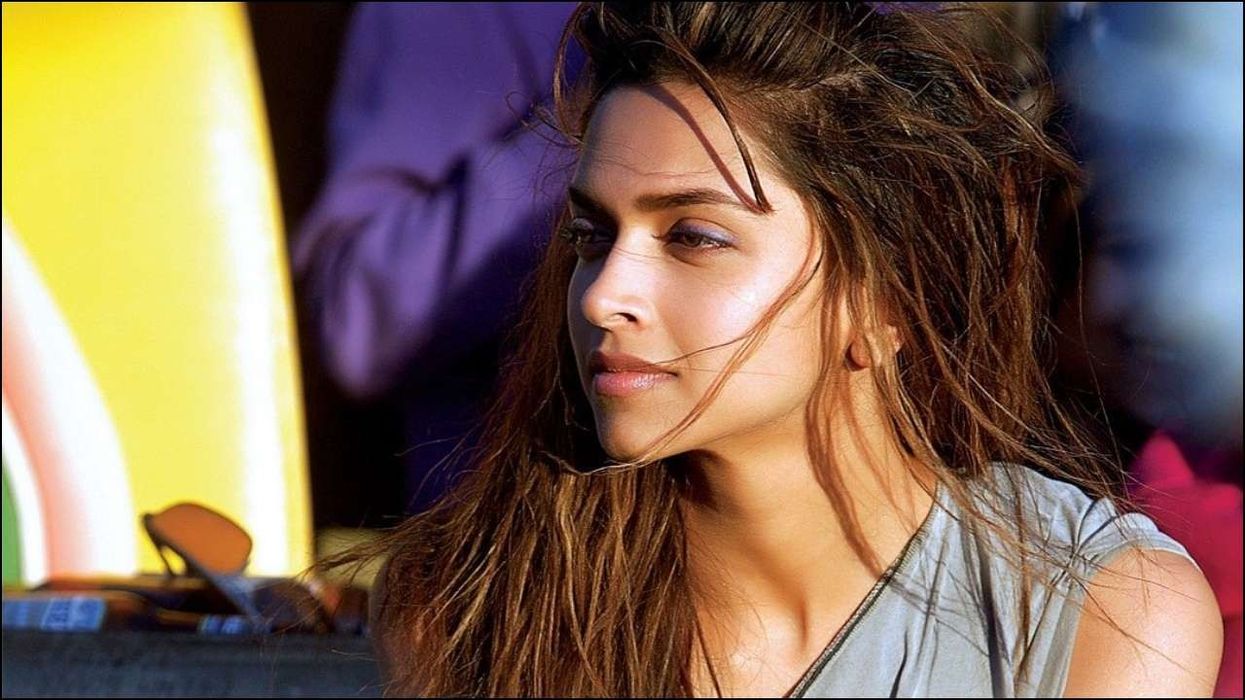

When Cocktail hit screens in 2012, it was supposed to be a Saif Ali Khan rom-com. Instead, it became Deepika Padukone’s breakthrough moment, largely thanks to her turn as Veronica, a character that was anything but the typical Bollywood heroine.
Now, 13 years on, it’s clear Cocktail wasn’t just a hit, it was a gamechanger. Here’s why Veronica remains one of the boldest characters of Deepika’s career, and arguably, a milestone in the way mainstream Hindi cinema wrote women.
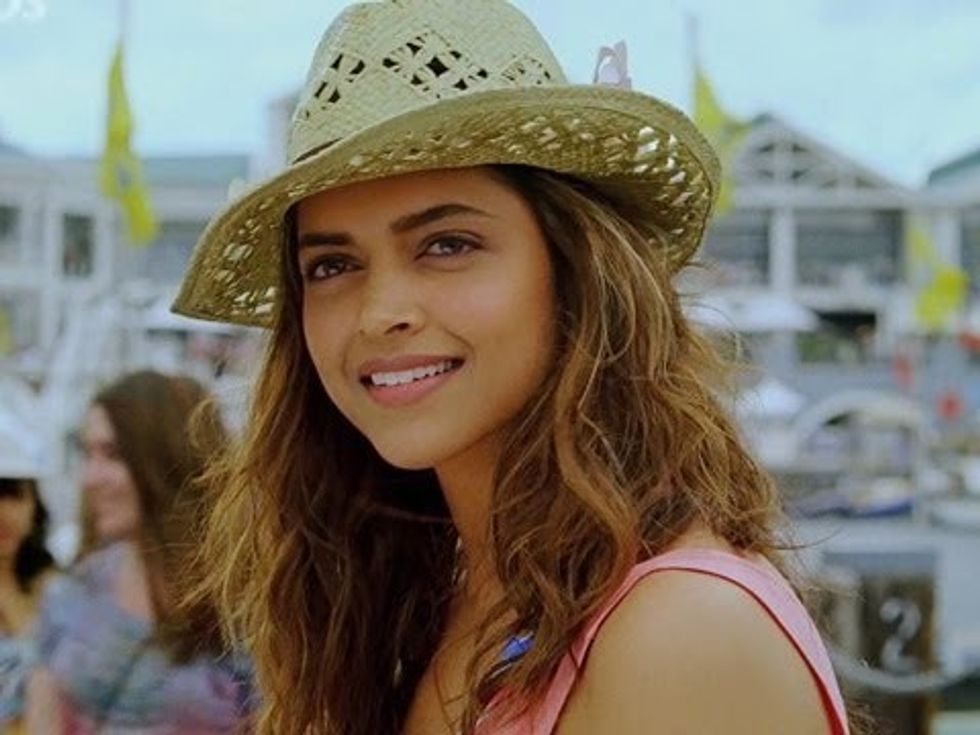 Messy, magnetic, and miles ahead of her time — Deepika’s Veronica still hits different 13 years laterYoutube Screengrab
1. Veronica wasn’t made to be likeable—and that worked
She drank, she partied, she refused to apologise for being a mess. Bollywood had shown wild girls before, but usually only as cautionary tales. Veronica wasn’t punished for her flaws, she was allowed to feel, grow, and still not fit the box. For 2012, that was rare.
2. The emotional messiness felt honest
Deepika brought an unexpected vulnerability to Veronica. The crying in the bathroom, the reckless dancing, the craving for love under all the bravado, it wasn’t subtle, but it was real. That performance helped audiences take Veronica seriously, not just as a manic pixie contrast to the "good girl" Meera played by Diana Penty.
3. It wasn’t just a role—it was a career pivot
Even Deepika has said Veronica changed everything. After years of being seen as just a pretty face in glossy roles, Cocktail gave her the edge. It showed she could carry emotional weight, and wasn’t afraid to look messy while doing it. From here, her career took a sharper, more ambitious turn.
4. The music gave Veronica her own universe
It wasn’t just the acting, the soundtrack helped shape the film’s tone. Songs like Jugni, Tumhi Ho Bandhu, and Daaru Desi gave Veronica a carefree, chaotic rhythm that stuck. These tracks still pop up on nostalgia playlists, a decade later.
5. In hindsight, she was the real protagonist
While the film tried to balance the love triangle, it was Veronica’s arc that people remembered. Not because she got the guy, she didn’t, but because she evolved. She wasn’t a footnote in someone else’s story. She was the story.
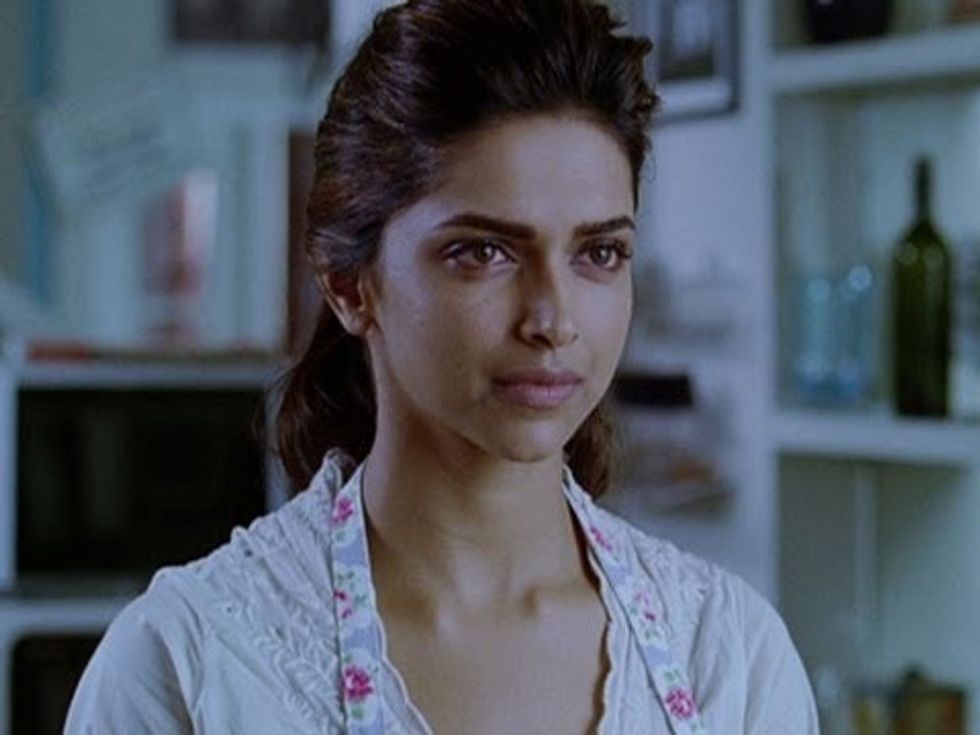 Veronica wasn’t the ‘good girl’, but she made audiences feel everything — and Deepika nailed itYoutube Screengrab
She shifted how leading women were written
After Cocktail, Bollywood slowly started embracing female characters who didn’t always make the 'right' choices. Veronica made it okay to be complicated on screen. That legacy may not always be acknowledged, but it shows up in every “imperfect” female lead we see today.
 Thirteen years since Cocktail released, Veronica remains one of Deepika Padukone’s most unforgettable charactersZEE5
Deepika Padukone may have played many iconic characters since, but Veronica remains a turning point for her and for Bollywood. Thirteen years on, she’s still the cool, chaotic outlier who made room for women to be more than just nice.