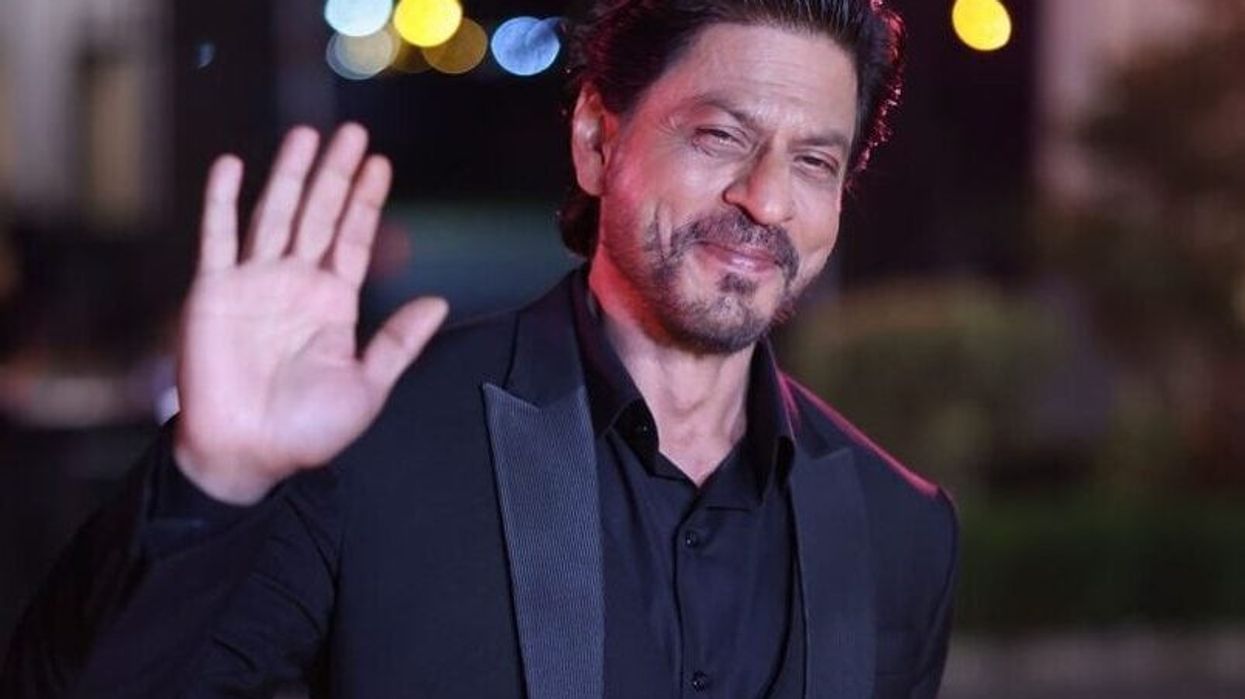

HE IS a superstar for all ages and seasons but there’s one star that he is enamoured by. Shah Rukh Khan says it’s none other than his late mother who he believes still keeps a watch on him and his films from above.
In a podcast, the actor — whose movies have featured aspirational songs like “Chaand Taare” (“Yes Boss”) and “Yeh Tara Woh Tara” (“Swades”) — reiterated how he missed out on showing his work to his parents — Meer Taj Mohammed Khan and Lateef Fatima — as they died before he joined films.
“For some reason, I always felt I’ll make films which are very big, so that my mom and dad can see them from heaven. I still think my mom’s a star, and it works. I think I even know the star she is,” Shah Rukh said on the “Locarno Meets” podcast.
The actor sat down for the conversation in August when he was in Switzerland to receive the Pardo alla Carriera award-Locarno Tourism at the 77th Locarno Film Festival, becoming the first Indian film personality to do so. The official YouTube page of the festival shared the interview.
It was also for his mother, a Dilip Kumar fan, that he worked in Sanjay Leela Bhansali’s “Devdas”. The 2002 film was the screen adaptation of Sarat Chandra Chattopadhyay’s 1917 novel. Kumar had played the character in a 1955 film of the same name.
“So I just felt that if I made Devdas, she would really like it. She would appreciate it. In spite of senior actors telling me, ‘Don’t do it,’ I just wanted to do it, maybe just to tell my mom, ‘Hey mom, I did Devdas.’ For me, it was that first and also working with Mr. Bhansali,” he added.
Shah Rukh, who normally doesn’t drink, said he started consuming alcohol after playing Devdas in the movie.
“It (drinking) might have helped (with the character), but I started drinking after the film and that’s one downside to it. I didn’t want you to feel love for him (character), but I didn’t want you to hate him. Nor did I want you to like him for being an alcoholic who runs away from every girl that he falls in love with. I just wanted him to appear indescribable,” he said.
The 58-year-old also said how he is asked by his team to “control myself” when it comes to his sense of humour.
“I can make people laugh and it’s very inappropriate at times so I try to control myself. I’m told by my team all the time ‘Don’t… People don’t understand your humour.’ Now people have become very sensitive, you say something and somebody gets disturbed. It’s better to not have a sense of humour.”
As an actor, however, he believes comedy is a serious business. He has starred in comedies such as “Duplicate”, “Baadshah”, “Chamatkar”, “Chennai Express”, and “Happy New Year”.
“I did a film called ‘Chennai Express’, that was a big learning experience. And it did well. People laughed at the jokes and I was relieved. I’ve not jumped into a comedy after that, I’m waiting,” he said.
Shah Rukh recalled an interaction with a group of German women 10-15 years ago.
“I asked them why do you like my films? They said ‘We have a button to make coffee, we have a button to go up the escalator, you are the button for making us cry’.”
The actor, who started his career in theatre and went on to become a familiar face on Indian television in the 1980s and ’90s, said God and the audience have been kind to him in the past 35 years.
“I feel like I have a choice that I can make. So, every six-eight months, I wake up with the thought that I want to do a horror film and I hope somebody offers me a horror film. And if not that, I have a plan B—let’s do comedy,” he added.
Shah Rukh is set to star in “King”, directed by Sujoy Ghosh.
(PTI)


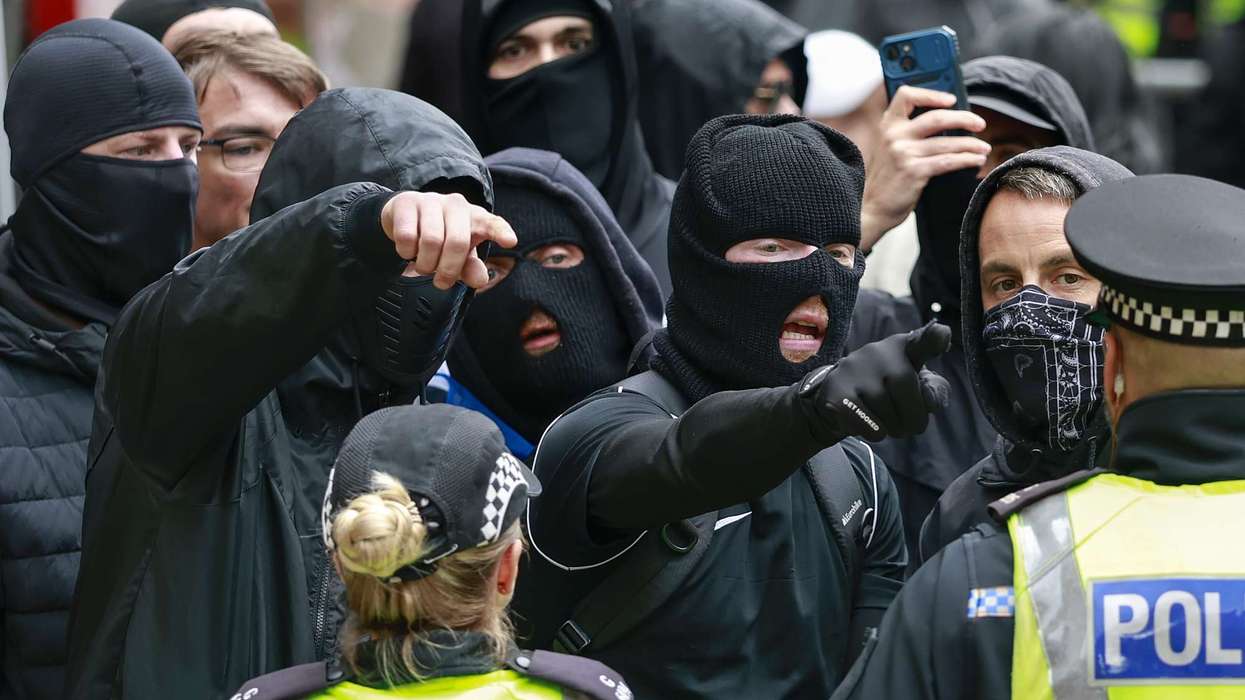
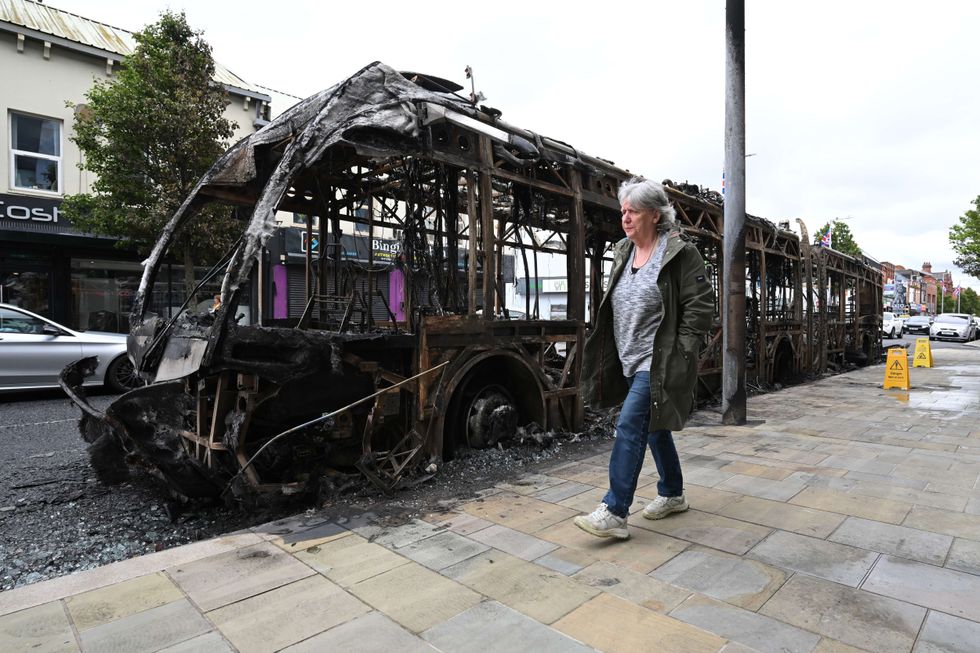 A burnt out bus on Newtownards Road as the clean-up begins following a night of anti-immigrant riots on June 10, 2026 in Belfast, Northern Ireland. Overnight protests in Belfast turned violent in reaction to a knife attack that took place on Monday night, which left a male victim in his 40's with serious injuries. Getty Images
