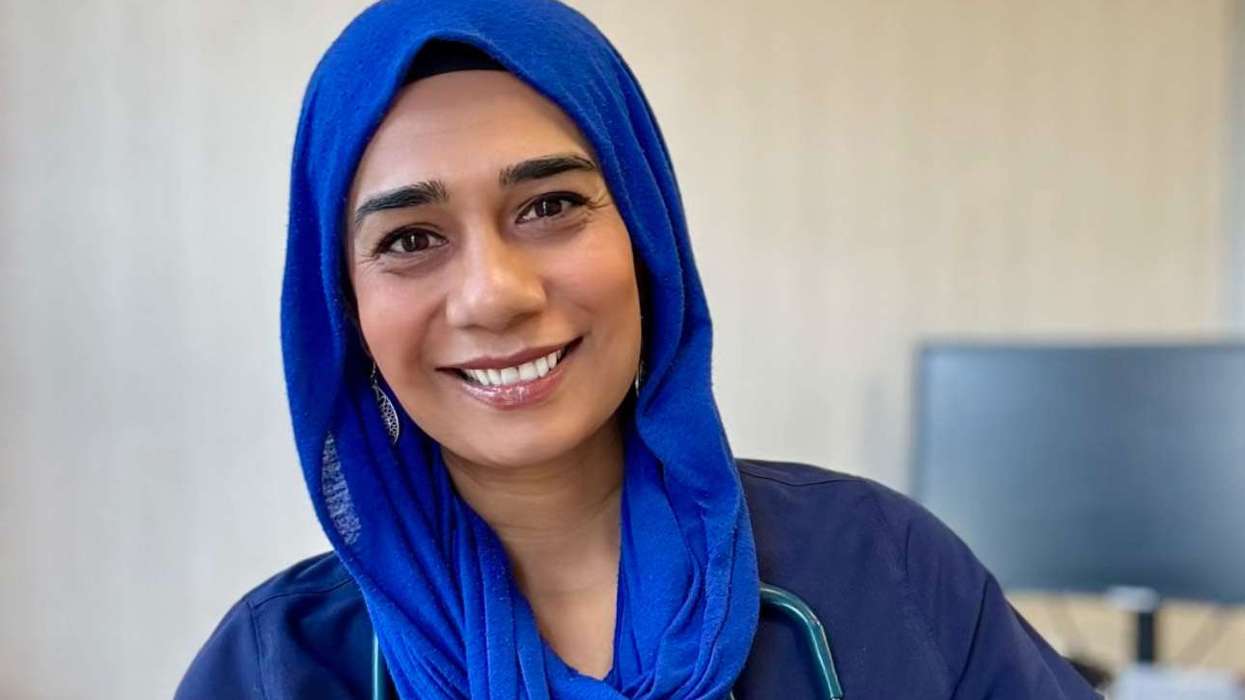

Looking after mental health is as important as caring for physical health, yet many people struggle to recognise when they need help or feel their symptoms are serious enough to seek support.
Around one in five adults in England, an estimated 9.4 million people are affected by a common mental health condition, millions are missing out on treatment that could help them.
An NHS campaign is encouraging people from south Asian communities to seek support for common anxiety‑related mental health conditions, as many continue to struggle in silence or delay seeking help due to stigma, cultural expectations or not recognising symptoms.
Mental health challenges can affect anyone yet in many south Asian families, people may minimise their symptoms, feel shame, or believe they should “just get on with it”. Conditions such as Post Traumatic Stress Disorder (PTSD), Obsessive Compulsive Disorder (OCD), Social Anxiety Disorder, Phobias, Body Dysmorphic Disorder (BDD) and Panic Disorder are treatable, and support is available through NHS Talking Therapies, with the option to self‑refer online.
NHS Talking Therapies are free, confidential and effective, and can be delivered in person, over the phone or online. Support is available in multiple south Asian languages through multilingual therapists or confidential interpreters, ensuring people can speak comfortably in the language that feels most natural.
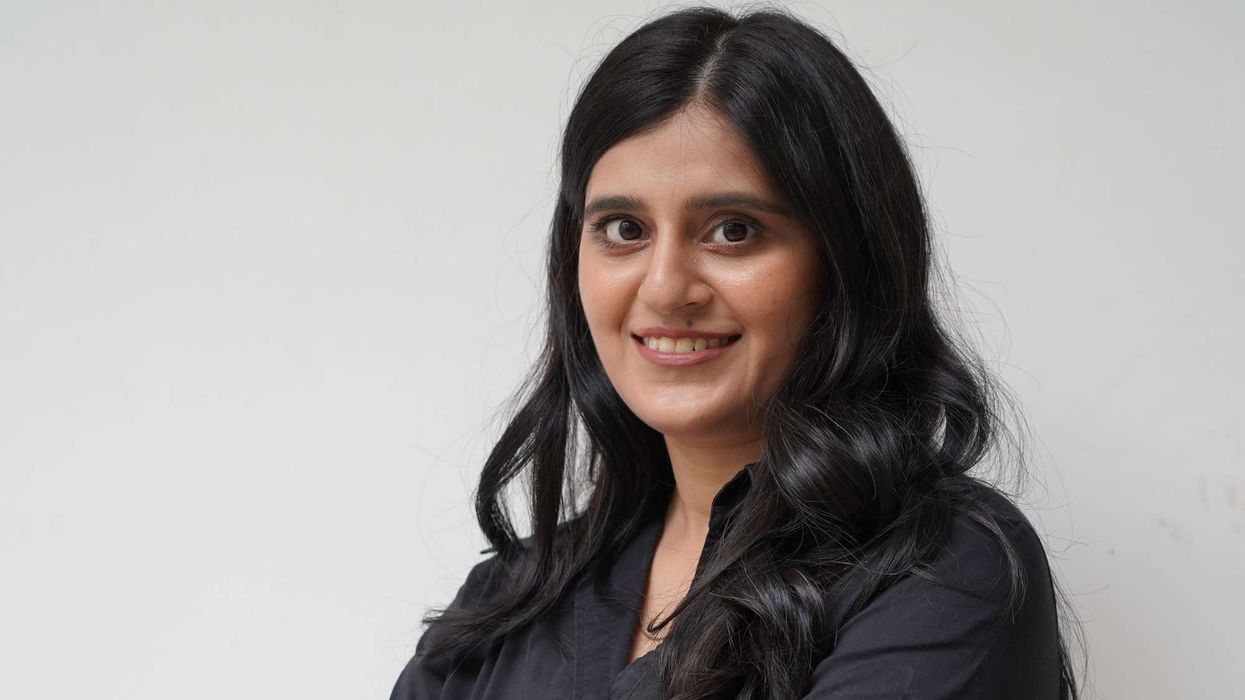
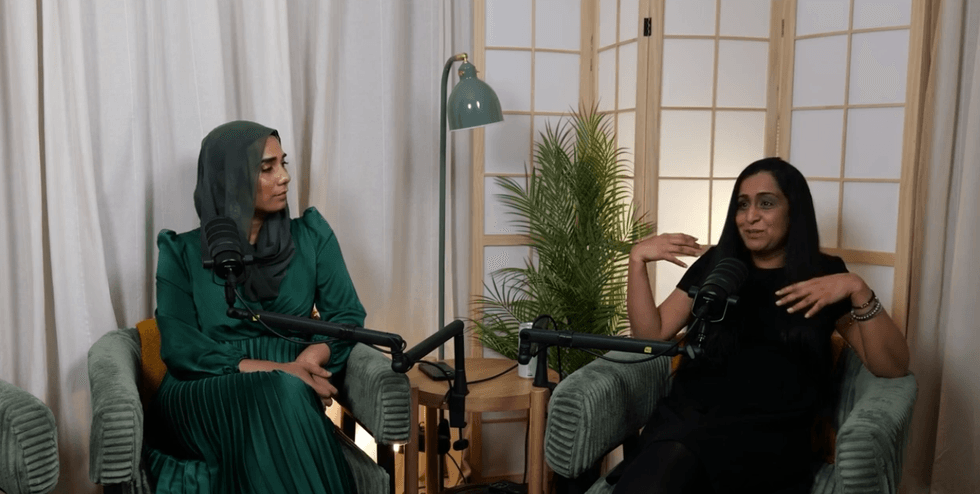 Dr Nighat Arif and Harmeet Kaur NHS
As part of the campaign, Dr Nighat Arif and Harmeet Kaur recently joined the hosts of Two Chickpeas in a Pod podcast, a south Asian‑led show known for opening up honest, culturally grounded conversations around identity, stigma and lived experience. In their episode, they explored the realities of anxiety conditions, the cultural pressures that often keep people silent, and the difference NHS Talking Therapies can make. They shared the following reflections:
Dr Nighat Arif, said “Most people with mental health conditions just want to be believed and rightly so. These struggles often build over years, hidden by fear, shame, or the feeling of being ‘broken’. That’s why it’s so important to seek help early, and why NHS Talking Therapies exist so people can self‑refer online and be supported by trained professionals without long delays, regardless of background or circumstance.”
Harmeet Kaur said “I still experience anxiety every day, but Talking Therapies, including CBT through the NHS, has helped me learn how to cope with it. It’s allowed me to recognise my thought patterns and understand where they come from, instead of feeling stuck in them. Talking Therapies helped me move from just surviving to actually thriving.”
Anyone who feels their mental health is affecting their daily life whether through anxiety in social situations, panic attacks, flashbacks, compulsions, phobias or distressing thoughts is encouraged to seek support.
Find out more or self‑refer at nhs.uk/talk