
A NEW report has called for faith literacy to be treated as a core part of NHS care, rather than an optional extra. It warned that patients and staff of all religions are being let down by a health service that overlooks the role faith plays in health, illness and recovery.
Titled Faith in the NHS: Better Health, Greater Trust, Lower Cost, the report by thinktank Equilibrium House (Equi) published on Wednesday (15), argued that understanding a patient’s faith needs can improve outcomes, strengthen trust and reduce costs to the health service, at a time when the NHS is under pressure from rising demand, workforce shortages and entrenched health inequalities.
All Muslim healthcare professionals surveyed said understanding a patient’s faith needs can help improve health outcomes, but only seven per cent said the NHS consistently did so.
Among Muslim staff, 73 per cent reported facing some form of discrimination because of their faith, while 59 per cent did not believe the NHS was doing all it could to support staff faith needs.
More than half said their faith had, in some way, held back their career progression. Muslims make up around six per cent, or 89,000 people, of staff across NHS trusts and integrated care boards (ICBs), and an estimated 15 per cent, or 44,500, of NHS doctors, despite accounting for roughly four per cent of the British population.
Muslim doctors contribute an estimat ed £1.5 billion a year in income tax, the report said.
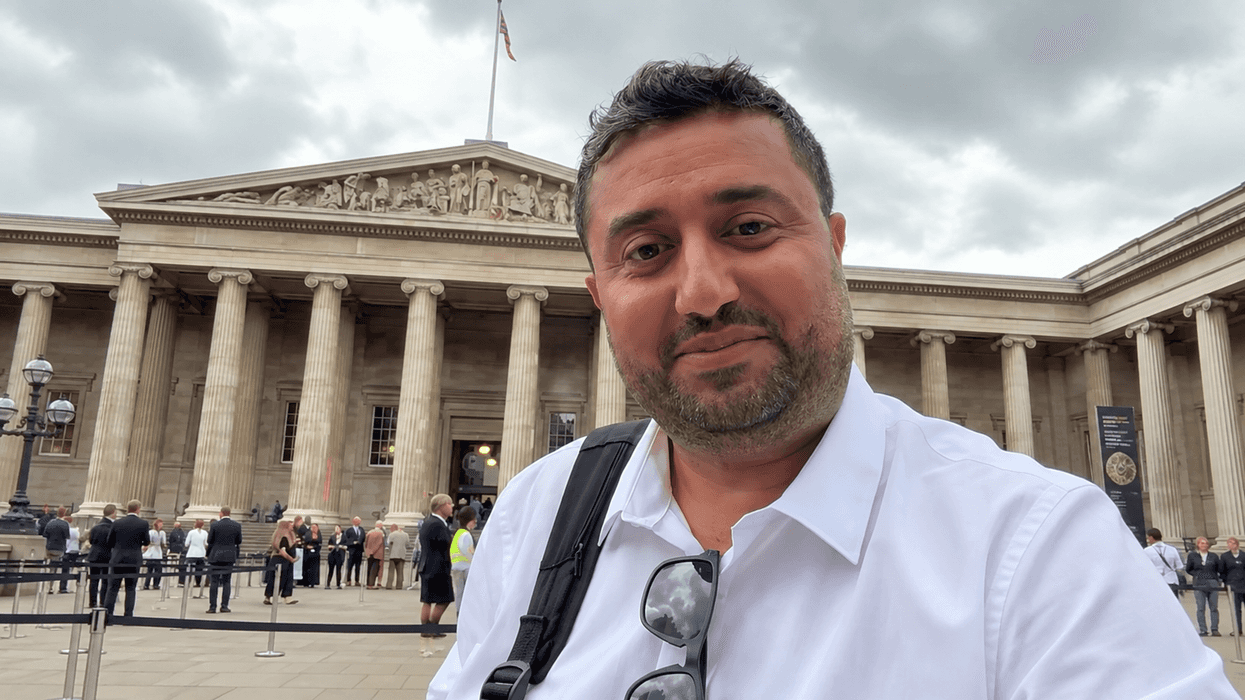
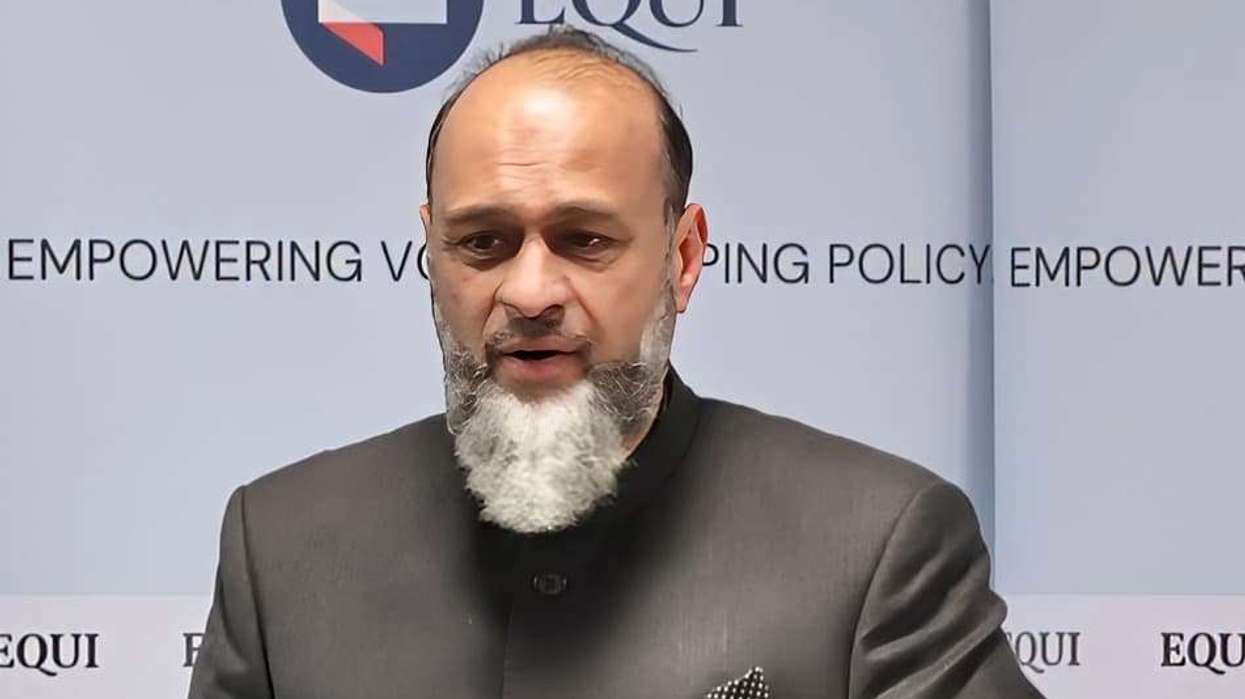 Prof Javed KhanEastern Eye
The report also revealed gaps affecting other faith groups.
NHS patient satisfaction data from 2025 showed that Sikh and Hindu patients recorded lower average satisfaction scores with GP services, at 71 per cent and 72 per cent, respectively, compared with 75 per cent among all patients.
In end-of-life care, the report highlighted specific needs among Muslims, Jews, Sikhs, Buddhists and Hindus, including the recitation of sacred texts, the use of holy water and set timeframes for burial or cremation, practices often disrupted by noisy wards and a lack of private space for grieving families.
NHS staff faith networks representing Christians, Jews, Muslims, Hindus and Sikhs have grown in recent years, with groups such as the Hindu NHS Net work working alongside NHS Equality, Diversity and Inclusion teams to secure prayer spaces, dietary provisions and chaplaincy support.
Prof Javed Khan OBE, managing director of Equi, said the findings should prompt urgent action.
He told Eastern Eye, “The NHS is one of Britain’s greatest institutions, but our research shows it is not yet fully equipped to meet the faith needs of either many of its patients or staff.
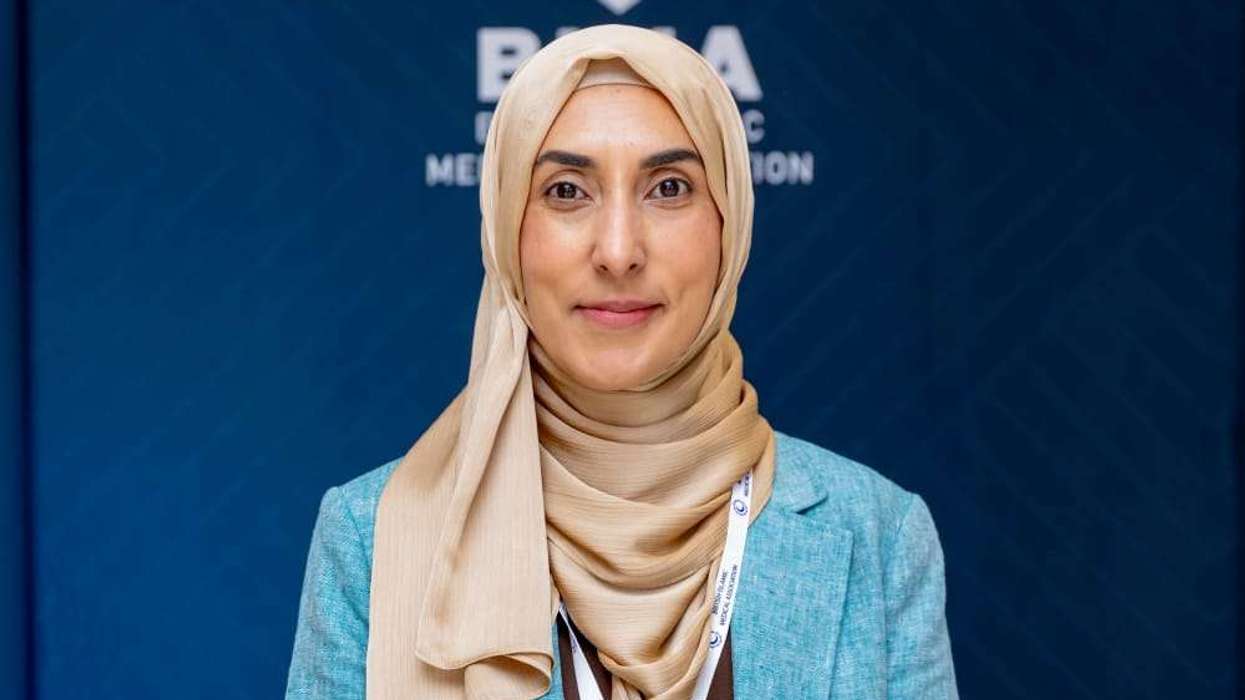 Dr Sahira DarEastern Eye
“Understanding individuals’ faith is not about special treatment; it is about delivering better, more personalised healthcare. When patients feel under stood and trusted, health outcomes improve. When staff feel respected and supported, retention improves.”
Dr Sahira Dar, president of the British Islamic Medical Association (BIMA), said faith discrimination in the NHS remained poorly documented, when compared with racial discrimination.
“Someone may feel fully accepted because of the colour of their skin or their ethnicity, yet still experience prejudice, misunderstanding or exclusion because of their faith or the way they express it,” she said. “Race and faith are not inter changeable. A workplace can be ethnically inclusive, but still not be faith literate.”
The survey also revealed that missed GP appointments cost the NHS an estimated £570 million between April 2025 and April 2026, with nearly one in four people reporting a missed appointment in 2025, arguing that a lack of faith literacy was among the contributing factors.
For the research, Equi interviewed 31 healthcare practitioners and experts and worked with BIMA to survey 56 health care professionals, 54 of them Muslim, in May and June 2026.
Report authors warned of the financial risk as well. Replacing Muslim doctors who have faced discrimination, should they choose to leave in a single year, would cost an estimated £3.4bn, the report said.
Dr Emma Runswick, deputy chair of the British Medical Association (BMA) Council, described the report as a timely contribution to the debate on the future of the health service, noting that faith “is not peripheral to identity” for millions of people and “shapes how people understand health, illness, dignity, trust, death, recovery and care”.
Key recommendations in the report include ensuring faith is taken into account in patient assessments; collecting disaggregated data on faith to identify healthcare inequalities; standardising faith-literate support for staff across trusts; establishing a working group to collate examples of good practice; and formally including faith groups within the DHSC’s collaborations with Voluntary Community and Social Enterprises (VCSE), sometimes referred to by trusts as Voluntary, Community, Faith and Social Enterprises (VCFSE).
According to the report, the NHS’s planned 2027 restructuring offered a significant opportunity to build a more faith-literate and accessible health ser vice, describing genuine partnership between the NHS and faith-led organisations as central to the shift towards prevention and community-based care.
Faith had “often been overlooked” in the healthcare system and should no longer be viewed as a “nice to have”, the report said, calling for faith to be embedded at every level, from patient assessments to staff wellbeing and career progression.