
- Unsafe baby products were found on several online shopping platforms despite official safety alerts.
- Investigation identified bottle-feeding aids, baby sleep pillows and unsafe sleeping bags still on sale.
- Campaigners are urging the government to make online marketplaces legally responsible for product safety.
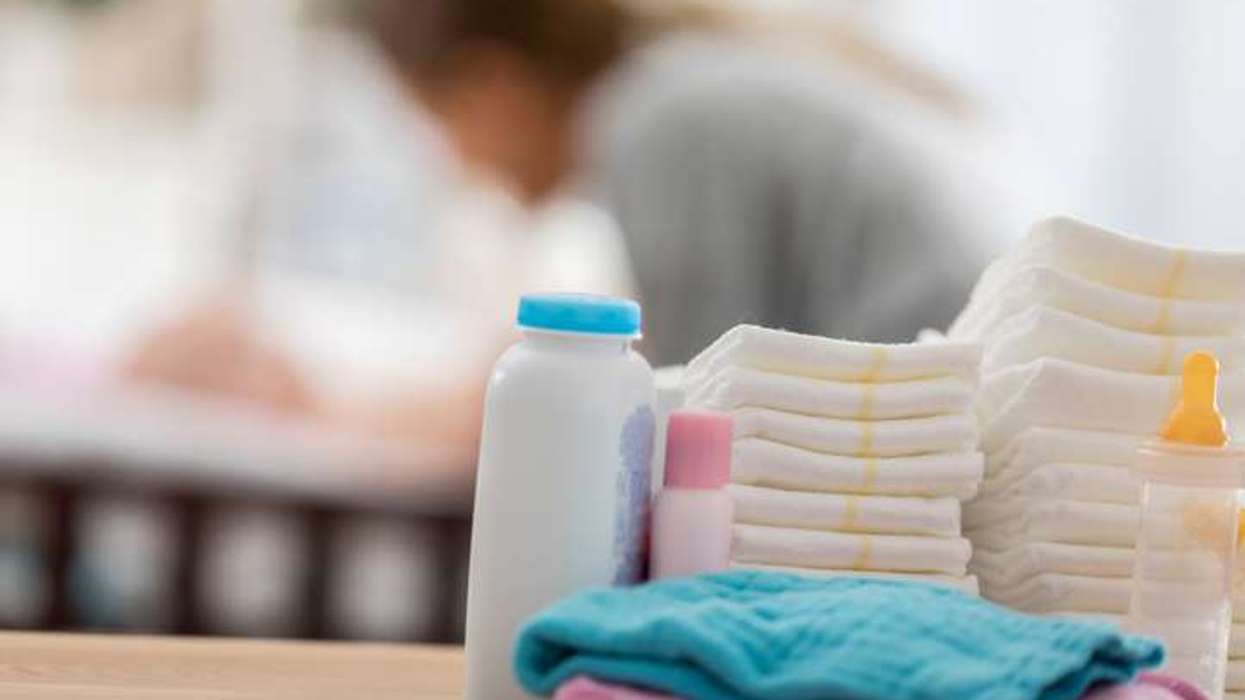
Unsafe baby products are still being sold on several major online marketplaces, despite repeated government safety warnings and product alerts, according to a new investigation. Consumer group Which? reportedly said it found dozens of products that experts believe could put babies at risk of suffocation, overheating or choking, prompting renewed calls for tighter regulation of online retailers.
According to a report by BBC, the investigation found bottle-feeding aids, baby sleep pillows and sleeping bags with hoods or without armholes available across multiple platforms, even though some of the products had already been the subject of safety alerts issued by the Office for Product Safety and Standards (OPSS). The regulator first warned businesses to remove self-feeding bottle devices in 2022, while a separate alert covering baby sleep pillows followed in December 2025.
Safety warnings, but products remain online
As per the investigation, 59 baby sleeping bags that did not meet recommended safety guidance and 37 baby sleep pillows marketed for newborns were still being advertised online. Health experts have previously warned that these products may increase the risk of suffocation or overheating.
Sue Davies, head of consumer protection policy at Which?, reportedly said babies' lives could be put at risk because unsafe products continue to appear on online marketplaces despite companies being aware of the dangers. She called on the government to use powers under the Product Regulation and Metrology Act to introduce a legal duty requiring online marketplaces to ensure products sold through third-party sellers meet UK safety standards.
Health visitor Ruth Watts reportedly said parents are often among the most vulnerable consumers because they naturally look for products that promise better sleep or make caring for a baby easier. She advised parents to rely on guidance from trusted organisations such as the The Lullaby Trust, which recommends that babies sleep on a firm, flat mattress on their back in a clear cot without pillows, toys or other accessories.
Following the publication of the findings, several online marketplaces said they had removed the products identified during the investigation. Companies including Amazon, Alibaba Group, AliExpress, eBay, Etsy, TikTok and OnBuy said they had taken down the flagged listings and were reviewing their monitoring systems to prevent similar products from reappearing.
A spokesperson for the Department for Business and Trade reportedly described the findings as "incredibly concerning", adding that companies have a responsibility to prevent unsafe products from reaching consumers rather than removing them only after they have been reported.


 Indian Stem Cell Donor Drive Targets Life-Saving Matches for British AsiansWebsite