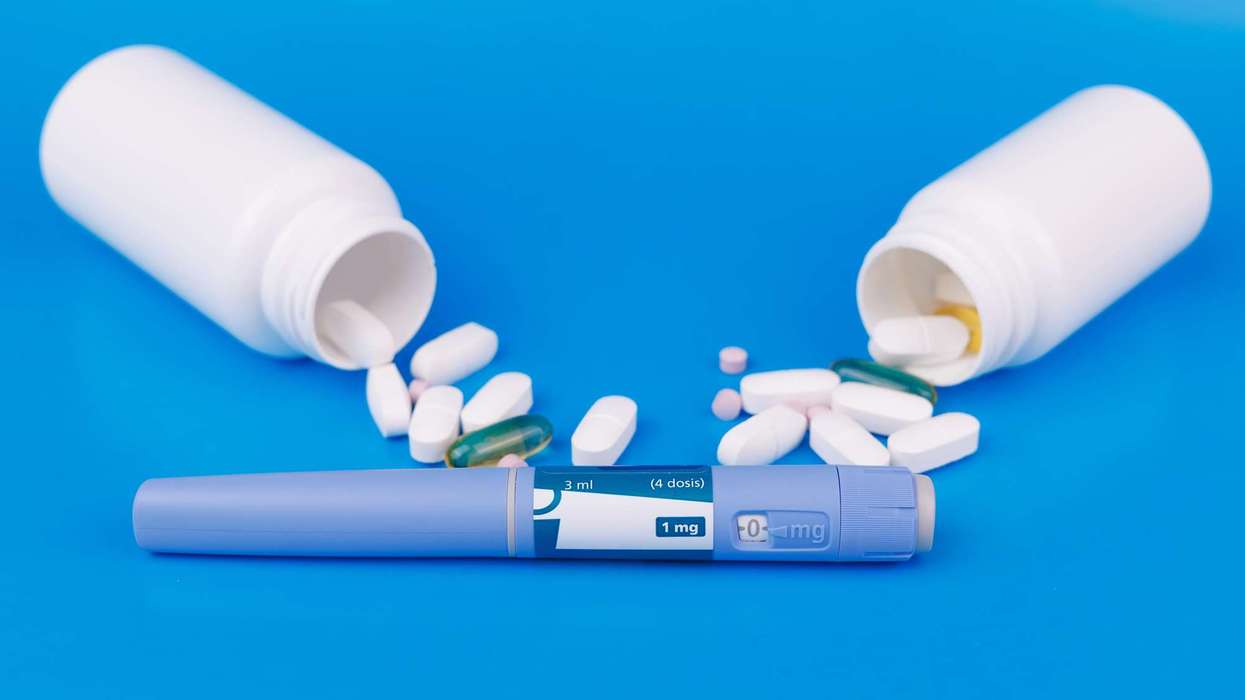

- UK launches its first Wegovy weight loss tablet.
- Pharmacists warn counterfeit pills could enter the black market.
- Nearly all surveyed pharmacies expect fake medicines to become a bigger risk.
The launch of the Wegovy weight loss pill in the UK is expected to make obesity treatment more accessible, but pharmacists are warning it could also fuel a growing trade in fake weight loss medicines. The oral version of the popular drug became available on Tuesday (7), just weeks after receiving approval from the UK's medicines regulator.
According to a report by the BBC, pharmacy leaders believe the tablet form of semaglutide could be easier for criminal gangs to copy than the existing injectable version, increasing the risk of counterfeit medicines being sold online and through unlicensed suppliers.
Growing demand, growing risks
The daily Wegovy tablet contains the same active ingredient as the weekly injection and is intended for people who are unable or unwilling to use injectable medicines. Treatment begins with a 1.5mg daily dose before gradually increasing to 4mg, 9mg and 25mg, with patients remaining on each dose for at least one month.
A survey conducted by the National Pharmacy Association (NPA), involving 310 pharmacies, found that 97 per cent of respondents were concerned the new tablet could lead to a rise in counterfeit weight loss medicines. Meanwhile, 76 per cent expect a significant increase in patients seeking the treatment over the coming months, while 49 per cent said enquiries had already increased.
Olivier Picard, chairman of the NPA, reportedly said the tablet version may be easier for criminals to counterfeit, increasing risks for patients buying medicines from unverified sources. He also urged people to avoid websites offering unusually cheap medicines or providers prescribing treatments without proper medical consultations.
Pharmacies prepare for higher demand
Pharmacists believe the introduction of a needle-free option could widen access to obesity treatment, particularly for patients reluctant to use injections.
Picard reportedly said community pharmacies are preparing for a rise in demand and are ready to support a wider rollout of obesity treatments, while noting that NHS access has remained relatively slow.
Clinical trial data show users of the daily Wegovy tablet lost just under 14 per cent of their body weight over 64 weeks on average, making it almost as effective as the injectable version.
While the medicine offers another treatment option for eligible patients, pharmacy leaders say buyers should remain cautious and only obtain the drug through registered healthcare providers to reduce the risk of counterfeit products entering the market.