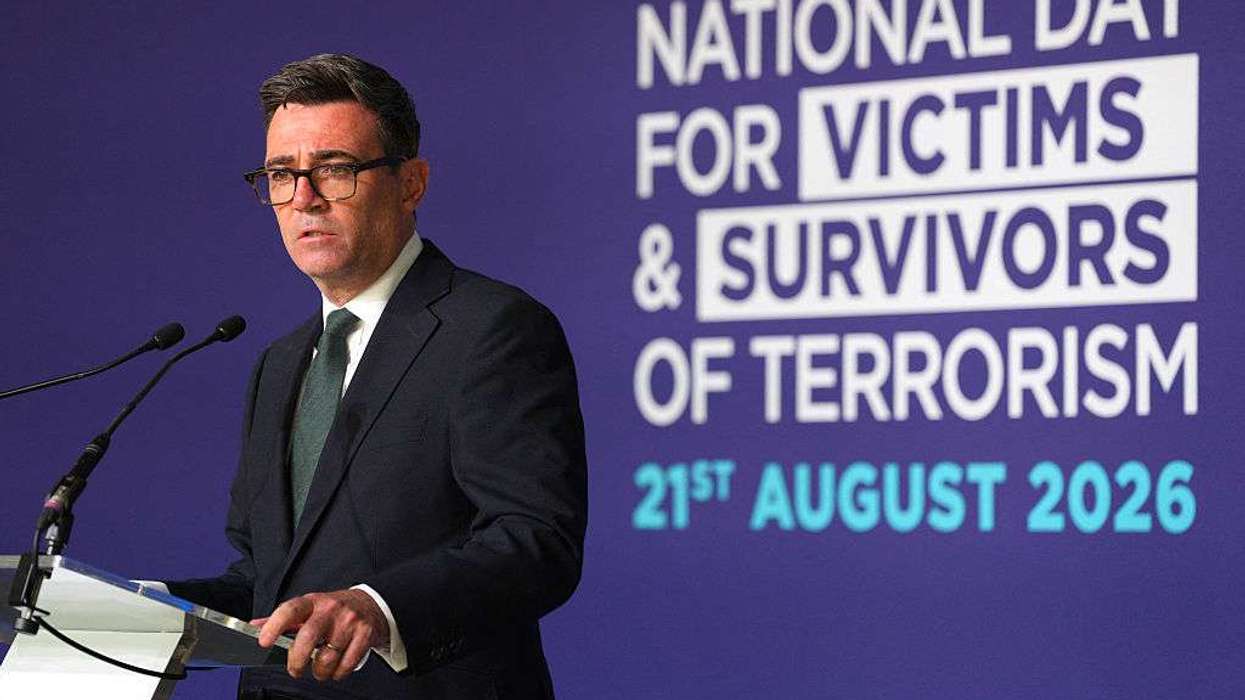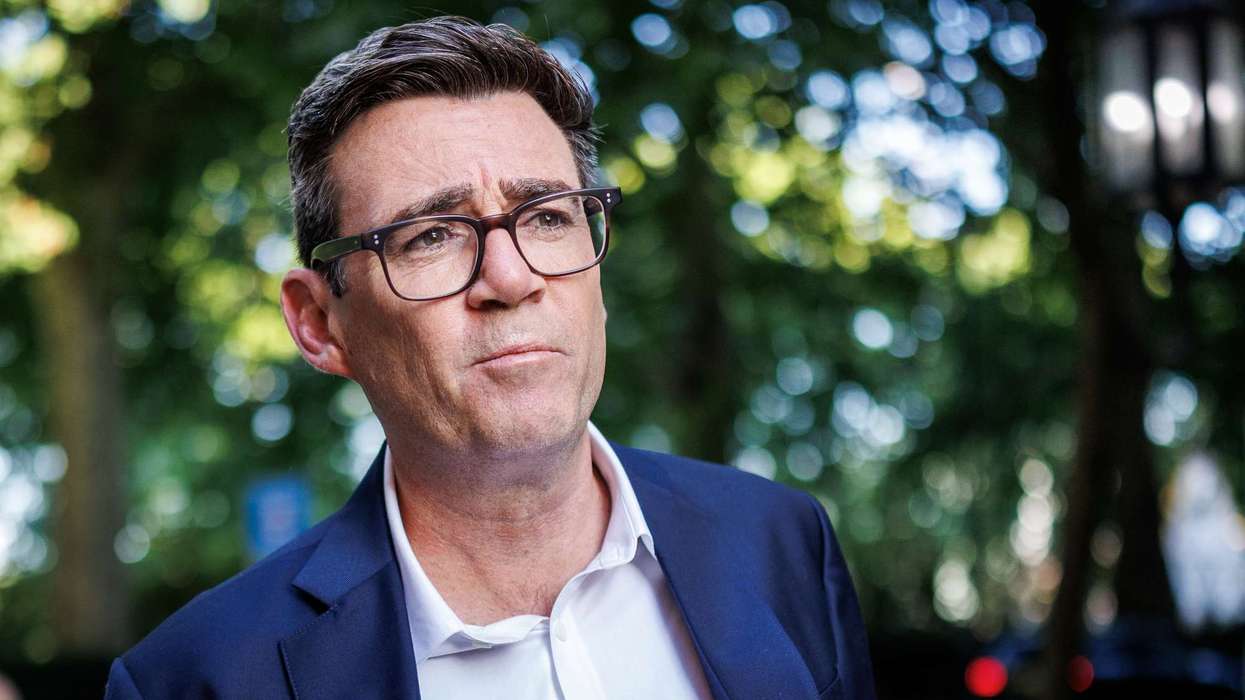

Whether Andy Burnham should be the next prime minister is the question facing Labour MPs this week. It is set to be the shortest leadership contest imaginable. As nominations open on Thursday (9), Burnham's Labour parliamentary colleagues will queue up to nominate him. The main question is whether they will do so in numbers sufficient to already give him an unassailable landslide on day one. There is little sign of any rival effort finding the 80 supporters they would need to take the election to the party members – but the Burnham campaign collating more than 320 supporters would put that hypothetical scenario beyond mathematical doubt.
One question next to nobody will seriously ask is whether it matters that Burnham is a Catholic. He has Rishi Sunak to thank for strengthening the consensus that it does not. Having so recently had a Hindu serve as prime minister – and having seen a Muslim first minister in Scotland too - it would be strange to see anything unusual in 2026 about a Catholic prime minister in Downing Street.
Yet it is worth recognising how recently it is that this did not seem an entirely straightforward question. One reason that Burnham is set to become the first openly practising Catholic to be prime minister of the United Kingdom is that Tony Blair waited until after he left Downing Street in 2007 to formally become a Roman Catholic. It is a hangover of the long history of anti-Catholic discrimination that the statute book retains 19th century prohibitions on Catholic prime ministers, preventing their advising the King on matters of the Established Church - that nobody ever thought to extend to the unlikely hypothetical scenarios of a Hindu or Sikh, Muslim, Jew or indeed atheist in Downing Street. It was just after Blair left office that the role of the prime minister in appointing bishops became a simple rubber stamp of a church nomination committee’s choice, though Burnham will still need to recuse himself from the formal process.
My dad saw it as profoundly significant, beyond party politics, that it had become possible for Britain to have a British Indian and a Hindu serve as prime minister in this decade. He came to Britain from India in the week after Enoch Powell’s infamous Rivers of Blood speech in 1968. Sunak’s ascent felt like a decisive defeat for the politics of “send them back” – though the politics of remigration has found its voice again since. Dad had grown up Hindu in Gujarat, yet he had converted to Catholicism, when marrying my Mum, who was from Cork in Ireland. Rather than giving up his Hindu cultural identity, he pioneered his own distinct pantheistic mash-up of Ganesh and the Holy Trinity, taking the family to Church on Sunday, while having Hindu icons in the house, too.
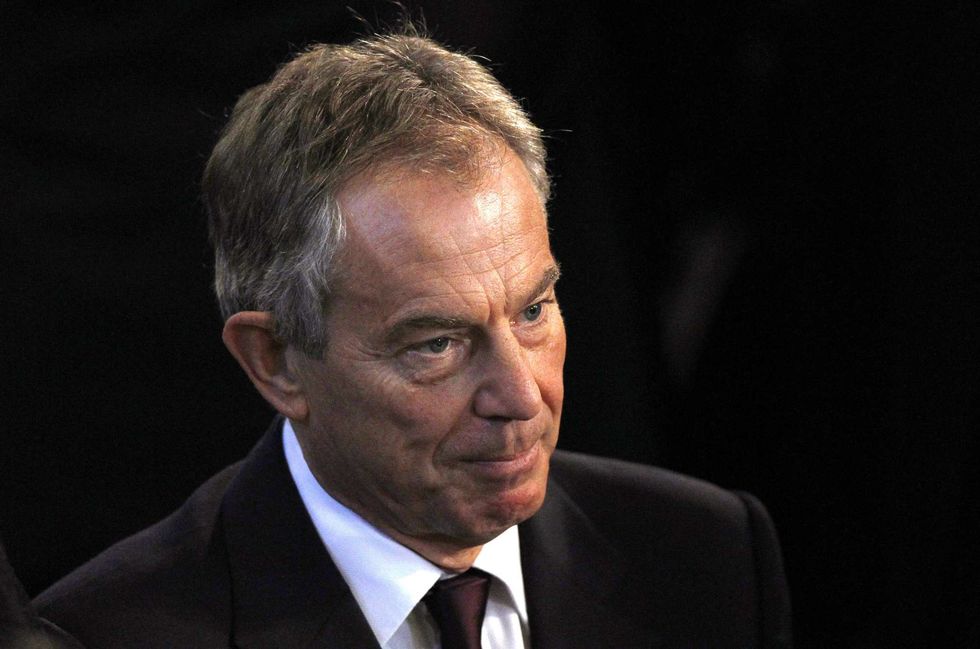 Tony Blair Getty Images
Burnham’s faith has been formative in his life. ‘Three things are important in my life, apart from family. Everton FC, the Labour Party and the Catholic church – in that order’, he said to the Guardian fifteen years ago. That Burnham being Catholic will be no more a disqualification for leadership than his being an Evertonian is a form of social progress taken largely for granted.
Having been brought up as a Roman Catholic – and a lifelong Evertonian, too - I could find recognition and representation in Burnham’s ascent, as a member of the small mixed-race, Indian-Irish sub-branch of his footballing and faith tribes. Like Burnham, I was an altar boy. Being the smallest in the group meant I got to carry the baby Jesus to the crib for midnight mass on Christmas Eve. Aged seven, I recall being among the million people who saw the Pope when he visited Liverpool in 1981. Burnham and I are both of the generation shaped by our football club’s mid-80s golden age, making us prone to the nostalgic expectation of Everton being shortly resurrected to great power status. The rumour is that Labour’s leadership announcement may take place at Everton’s magnificent new stadium.
It is good that Britain has become more relaxed about the faith identities of most political leaders. Muslim politicians remain more likely to face suspicion and prejudice about divided loyalties which once targeted Catholics. Yet it has become unpersuasive to assert that this is because “we don’t do God” as Blair’s spin doctor Alastair Campbell once asserted. Outgoing prime minister Sir Keir Starmer’s personal atheism was never controversial – but he had to pay much attention to navigating contested the role of faith in domestic and international politics. Questions of faith in Britain today are rarely now about the personal creed – or lack of it – of those who seek to lead us. Providing a vision of how we live well together in a multiethnic and multifaith society is core to the task of whether they can persuade us that we do have more in common in the society that we share.