
Highlights
- Starmer says international conflicts and domestic challenges are inseparable
- He pledges to remain an MP but says he will "keep my mouth shut" and not interfere with his successor
- He says the next leader will face the same global conflicts and domestic pressures
- Andy Burnham remains favourite to succeed him
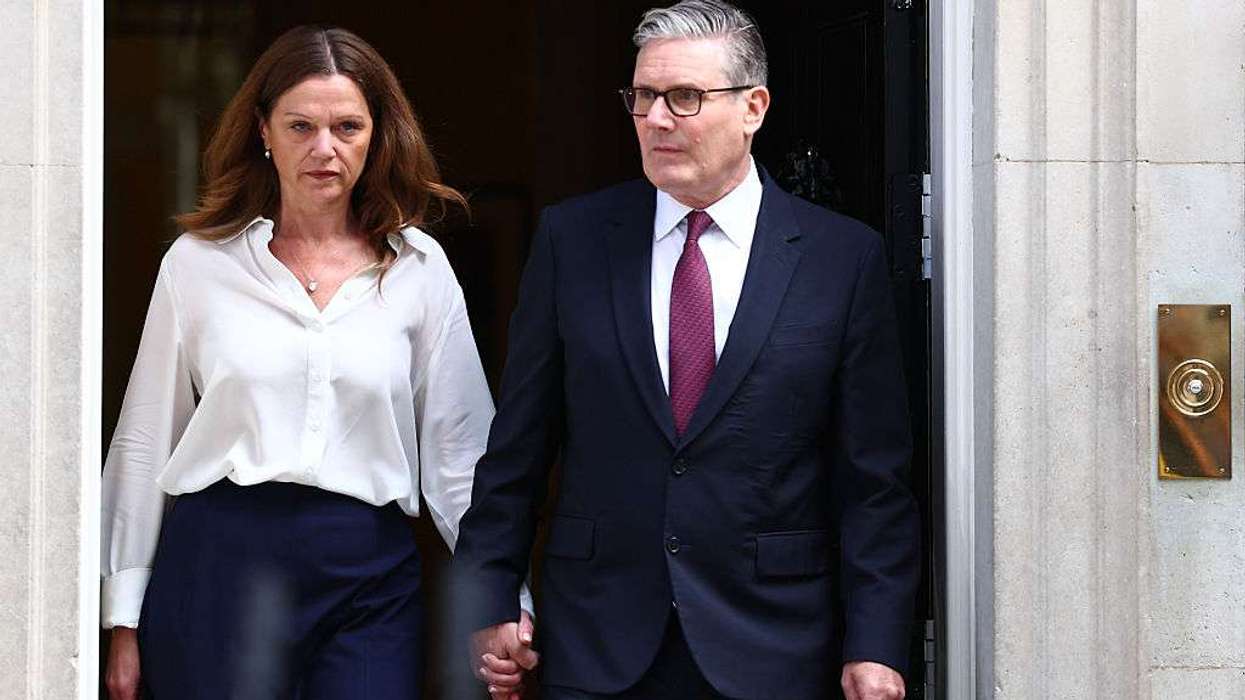
PRIME MINISTER Keir Starmer has described his decision to resign as Labour leader and prime minister as an "intensely personal" one, saying he concluded during a family weekend away with his wife and children after weighing what was best for himself, the country and the government.
Speaking in his first BBC interview since announcing his resignation on June 22, Starmer said he had "grappled with what was the best thing to do for me, for the country, for the government".
"In the end it became an intensely personal decision. That's why it was a decision taken ultimately when Vic and I were away with the kids," he said.
Starmer revealed that he made his final decision during a two-day stay with his family at Chequers, the prime minister's country residence in Buckinghamshire, the weekend before his announcement outside 10 Downing Street.
"We just spent two days together as a family and that's when I came to my final decision... Taking the decision that your political career is over, it is an intensely personal matter, or at least it was for me," he said.
The 63-year-old said he would remain the Labour MP for his central London constituency after leaving office, but insisted he would avoid commenting on the work of the next prime minister.
"I'll be keeping my mouth shut, rather than giving constant advice to my successor about what they should be doing," he said.
'No personal animosity towards Burnham'
Starmer also said he bore "never had any personal animosity" towards former Greater Manchester mayor Andy Burnham, who is widely expected to replace him and is currently the only declared candidate in the Labour leadership contest.
"I'll do everything I possibly can to make sure that the next government succeeds," he said.
Looking ahead, Starmer warned that his successor would inherit the same international tensions and domestic pressures that dominated his own time in office.
"Whoever's my successor is going to face the same global conflict. We keep saying, and it's true, we're in a more dangerous and volatile world than we've been in for probably most of my lifetime. That's not just a phrase, that's reality," he said.
He rejected suggestions that the next prime minister could spend less time on foreign affairs and concentrate mainly on domestic issues.
"There's often this discussion – what's the right balance between dealing with international affairs and dealing with domestic affairs? They're one and the same thing," he said.
"If you're prime minister and you care what bills are going to be like in any household around the country, you have to care about finding a lasting solution to the situation in Ukraine, you have to care about what happens in the Strait of Hormuz."
Burnham has said decentralising government would be a priority if elected Labour leader, but has also pledged to continue Britain's support for Ukraine.
Reflecting on his wider political legacy, Starmer said rebuilding Labour after its defeat in the 2019 general election remained one of his biggest achievements.
"The Labour Party arguably could have been lost, but I stepped up as leader and with others we saved the Labour Party," he said.
He acknowledged that he had ultimately been forced from office because Labour MPs no longer believed he was "the right person to take us into the next election".
Starmer led Labour to a landslide victory in the 2024 general election but later faced mounting criticism over policy reversals and the government's handling of the cost-of-living crisis, leading to growing unrest among Labour MPs and pressure for him to step down.
Burnham is currently the only candidate in the leadership contest and could be elected unopposed when nominations close on July 16.
(with inputs from Reuters)

 Frances Segelman makes bust of Richard E GrantSophie Dunne
 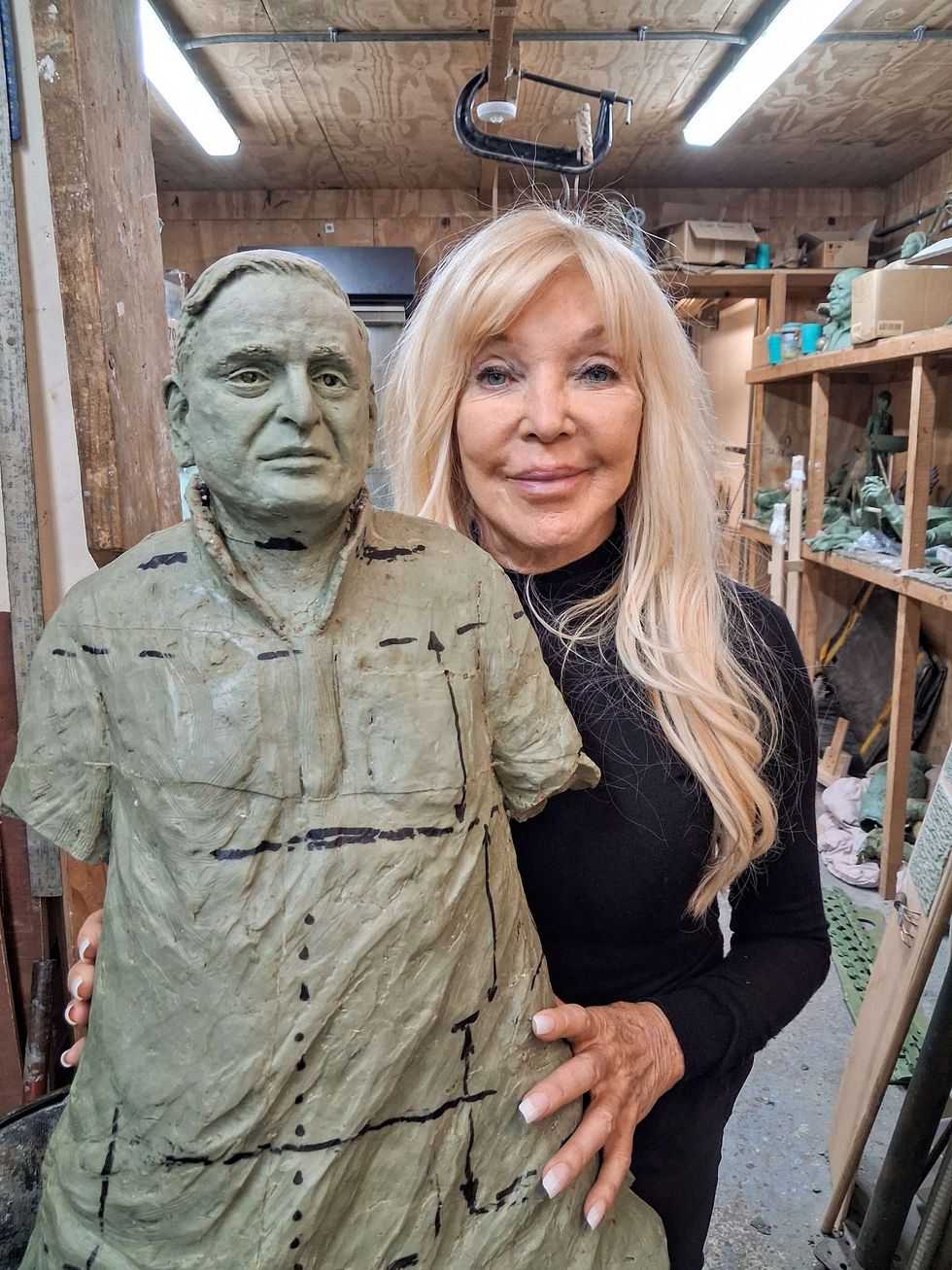 Frances Segelman with maquette of Mulayam Singh Yadav Sophie Dunne
 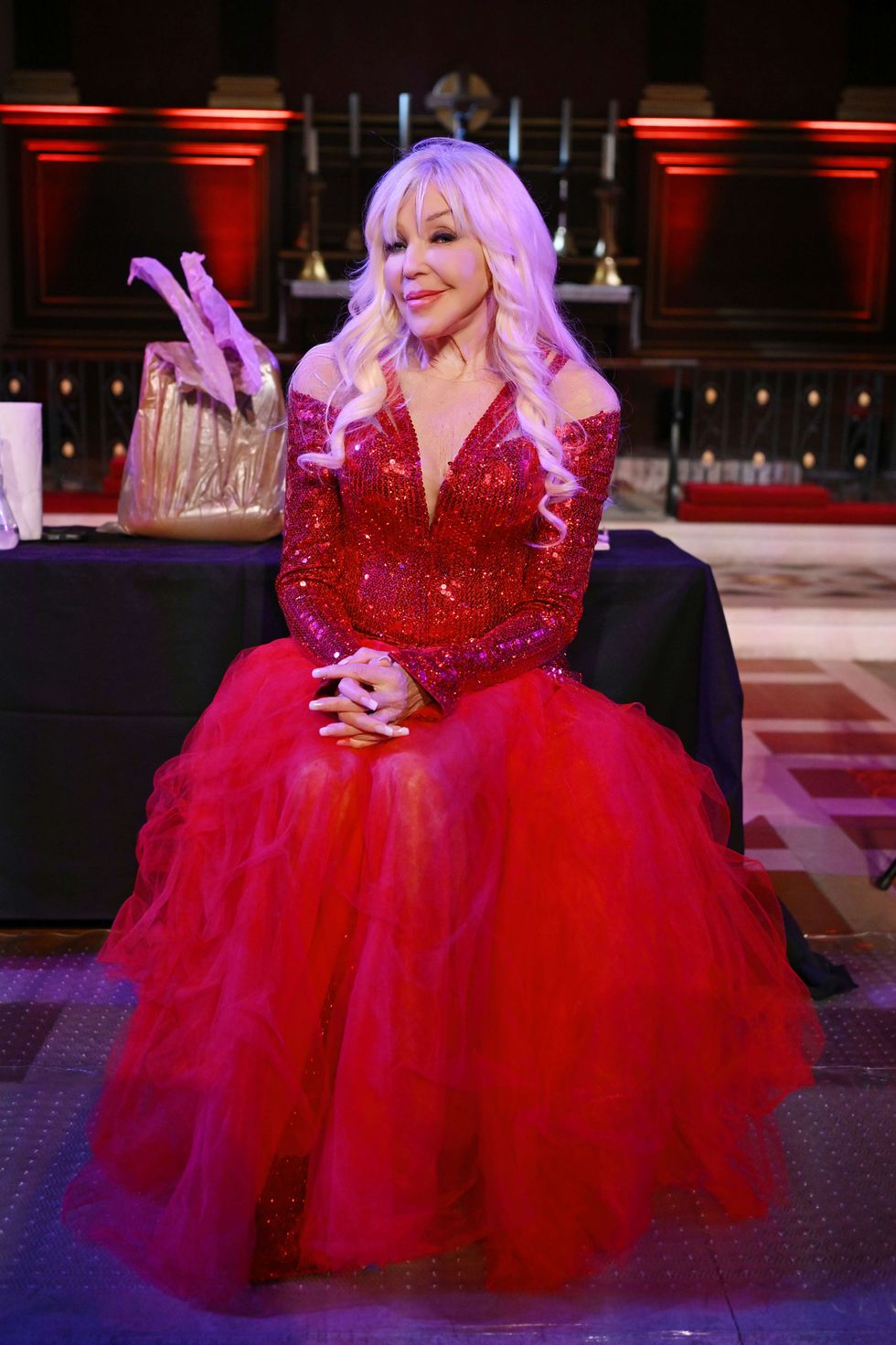 Frances Segelman was dressed by KruszynskaSophie Dunne
 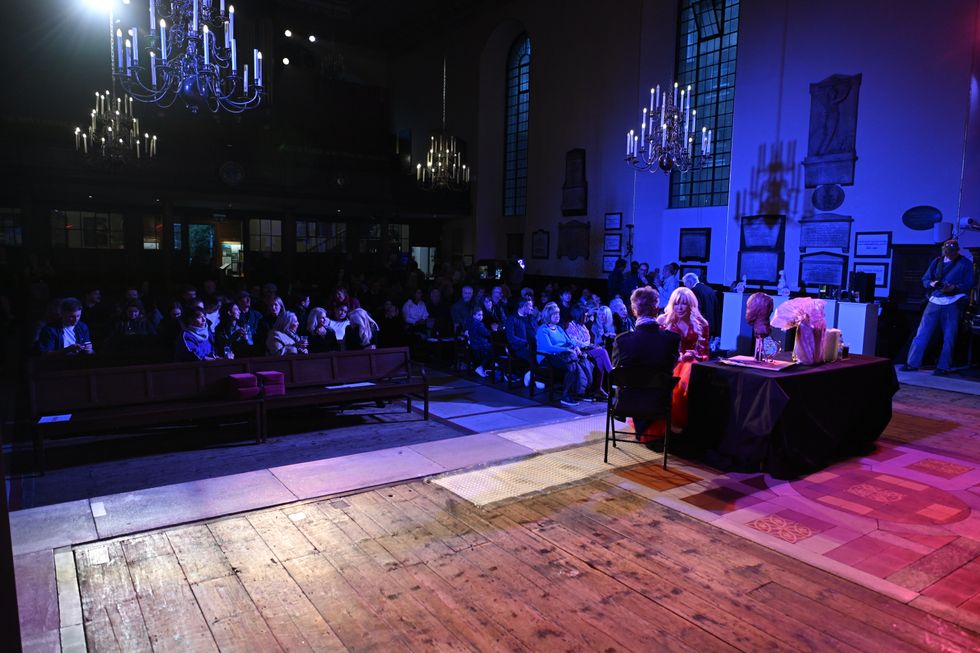 Frances Segelman live sculpting Richard E Grant in Actors' Church in Covent Garden.Sophie Dunne