
Born in the mid-1970s I felt part of a lucky generation, which gained from pushing back the overt racism of that era. When we talk about stronger “social norms”, what we mean is that few people thought that monkey chants at the football or racist jokes on the telly were normal anymore – while more had Asian and black colleagues, neighbours and friends.
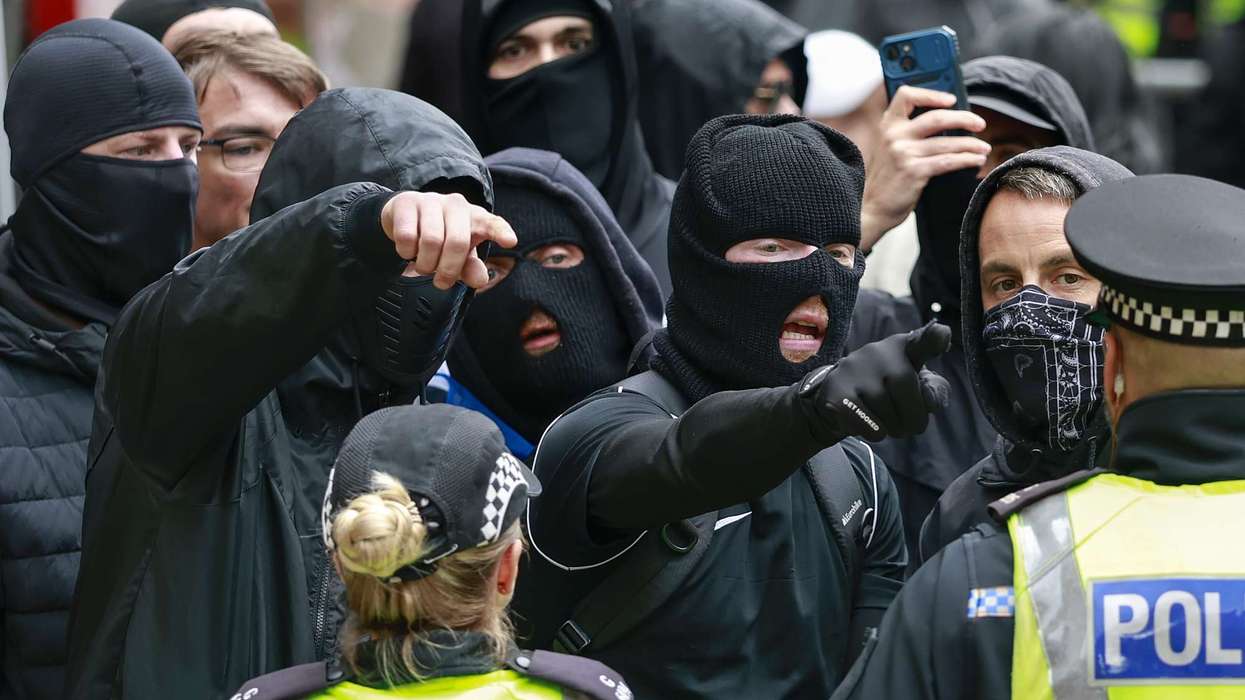
That past progress is put to the test today. A terrible crime in Belfast saw organised efforts at indiscriminate racist attacks on migrants and ethnic minorities, whose only connection to the crime was the colour of their skin. Those seeking to make racism fashionable again have the online megaphone of the world’s richest man, Elon Musk, on their side.
Past progress could be experienced unevenly, too. Being of mixed Indian and Irish Catholic parentage, I saw both identities rise in status once the BBC comedy Goodness Gracious Me inverted who could tell the jokes, and peace broke out in Northern Ireland. Yet, British Muslims of my generation felt under more intense scrutiny after the 9/11 terrorist attacks.
Efforts to tackle anti-Muslim hatred risked being stalled by arguments over what to call it and how to define it. The government’s new definition of anti-Muslim hostility seeks to transcend the confusion that the term “Islamophobia” could generate. But the challenge is not just to define the prejudice – but to find effective ways to shrink it.
There are sobering findings on the starting points in new research from British Future and the British Muslim Trust. More than half of British Muslims report experiencing prejudice based on their religion last year – a quarter in person and over a third online. A third of the public hold mostly negative views. One in six endorse sweeping and often indiscriminate hostility. Anti-Muslim hostility can have about twice the social reach as prejudice against other faith or ethnic minorities.
Tackling this hostility cannot be the responsibility of Muslims alone. It will take a whole-of-society effort. After all, this is foundationally about the attitudes towards a six per cent minority group, held among the 94 per cent of us who are not Muslim.
There are big generation gaps. The over-65s are especially likely to see Muslims differently and more negatively than other ethnic and faith minorities. That gap is much narrower among those under 35. This reflects how the challenge is sharpest among those with the least contact with Muslims themselves. Perceptions about ‘no-go zones’ in Birmingham, West Yorkshire or east London are held by people dozens or hundreds of miles away.
The research does show that most people in Britain recognise anti-Muslim prejudice exists – and will support action to tackle it - as long as the right free speech boundaries are set.
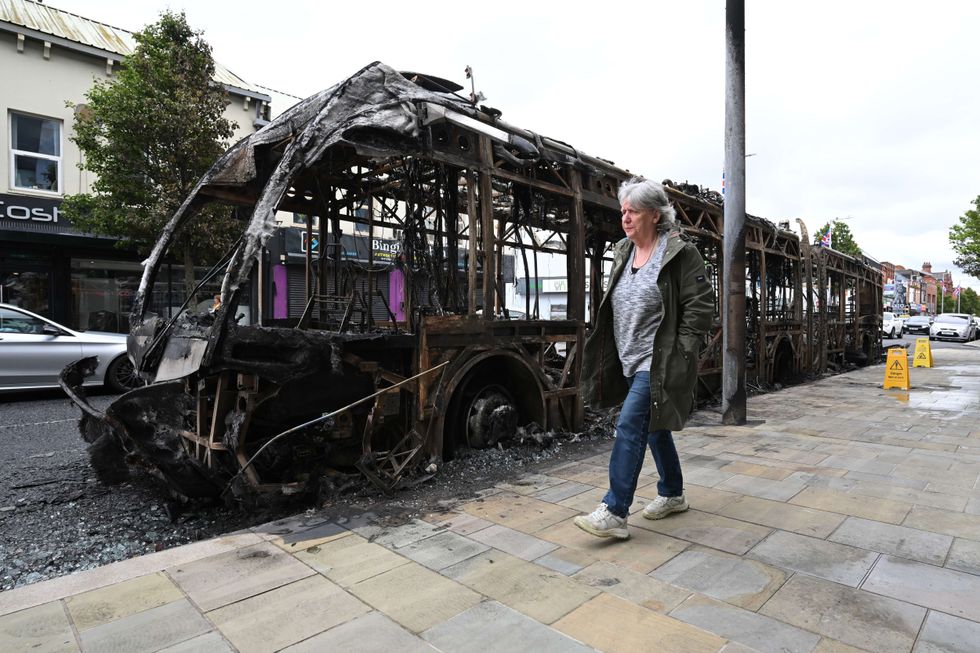 A burnt out bus on Newtownards Road as the clean-up begins following a night of anti-immigrant riots on June 10, 2026 in Belfast, Northern Ireland. Overnight protests in Belfast turned violent in reaction to a knife attack that took place on Monday night, which left a male victim in his 40's with serious injuries. Getty Images
But there is also now a concerted effort to use flashpoint events to trigger zero-sum thinking about identity, where any effort to tackle hatred or discrimination against people from one group is said to disadvantage those from another. “Britain is a two-tier state – against white people” was Reform leader Nigel Farage’s theme of a 7,000-word Substack essay this week.
Yet the British Future research still finds a broad inter-ethnic majority consensus about which groups are most likely to face prejudice. Most white British people identify Muslims and Jews, black and Asian people identify as being the groups who are comparatively more likely to face prejudice than others. Around one in ten people perceive “a lot” of prejudice against the white majority group.
Will tackling hostility towards Muslims prove a source of solidarity or friction across south Asian communities? That may depend on how the appeal is made. There is increasing awareness of how a heated and heightened climate over race can be bad for everybody. Sikhs, Hindus and others of visibly south Asian appearance can face misdirected anti-Muslim prejudice. Unlocking that bridging solidarity may require clearer reassurance from government that similar principles should apply to every group.
Disagreement about how to get integration right is bound to be part of the democratic debates of an increasingly diverse Britain. But sweeping prejudices against people on the basis of their faith or ethnic group, not what they themselves have actually said or done, is part of the problem.
One key challenge for government is how to respond to the need to tackle specific forms of prejudice – without fuelling a sense of competing inter-group grievances. It is legitimate and important to target efforts where the pressures are greatest. This research offers clear evidence that the scale of anti-Muslim hostility meets that test. The efforts to tackle it, like those challenging antisemitism, should form specific flanks of a broader appeal for solidarity in rejecting each form of hatred and discrimination, which blight the fair chances and equal status on which a shared society depends.