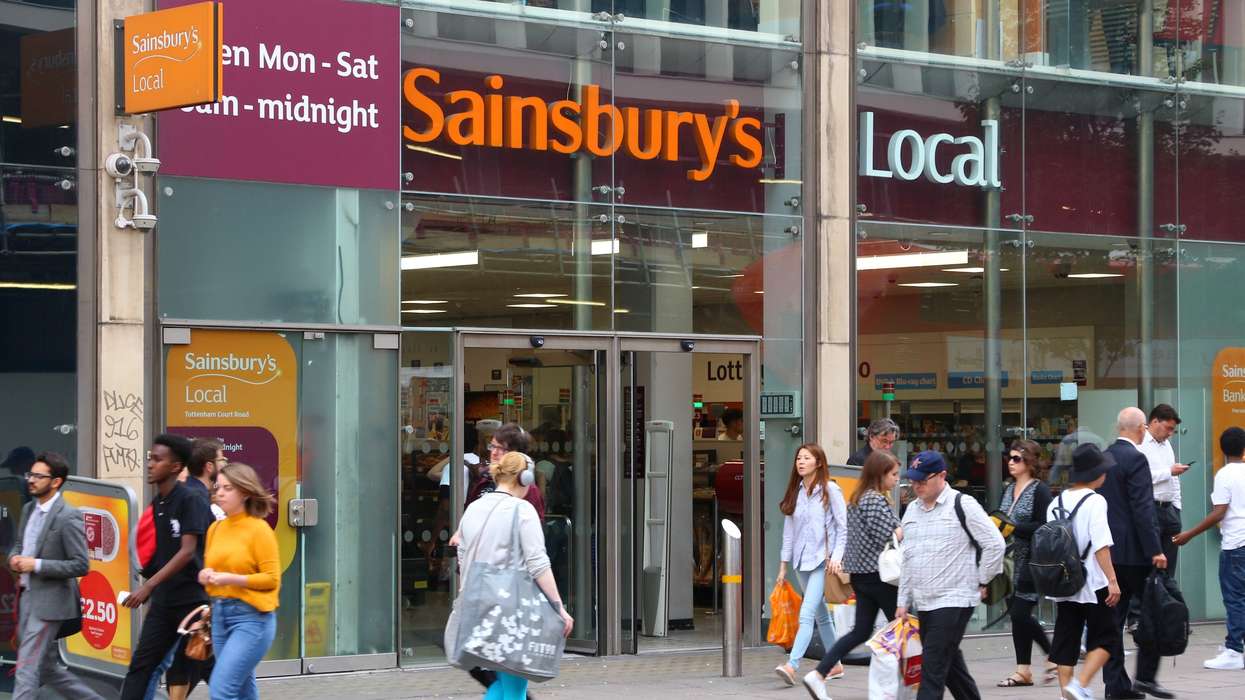

- Sainsbury's has agreed to sell Argos to Swift Partners for £120 million.
- Customers, staff and suppliers are expected to see no immediate changes after the deal.
- The move comes nearly a decade after Sainsbury's bought Argos as part of a £1.4 billion acquisition.
Sainsbury's is selling Argos for £120 million, nearly a decade after paying £1.4 billion to acquire the retailer as part of its takeover of Home Retail Group.
The Argos sale marks a major shift in strategy for the supermarket chain, which says it wants to concentrate on its core grocery business. The buyer, Swift Partners, is a newly formed company that includes former Co-operative Group chief executive Richard Pennycook. The transaction is expected to complete in February 2027.
Despite the ownership change, Sainsbury's said it will be business as usual for customers. Argos stores inside Sainsbury's supermarkets will continue operating, Habitat products will remain available through the retailer, and shoppers will still be able to earn and redeem Nectar points.
A retailer searching for a better fit
Sainsbury's acquired Argos in 2016 through its £1.4 billion purchase of Home Retail Group, a deal that also included Habitat and other retail brands. At the time, the supermarket hoped combining food and general merchandise under one roof would strengthen its position against competitors.
Almost 10 years later, that strategy appears to have run its course.
Retail analyst Clive Black reportedly said he had long questioned whether Argos was a natural fit alongside Sainsbury's grocery business, describing the retailer as a weaker financial performer. In the supermarket group's latest quarterly results, overall sales rose 3.1 per cent, while Argos sales slipped 0.5 per cent.
What happens next for Argos?
Argos remains one of the UK's best-known retail brands, operating 667 stores, including 466 inside Sainsbury's supermarkets and 201 standalone outlets. It also has more than 450 collection points across the country.
Founded in 1973, Argos became a familiar name through its catalogue, once a staple in many British homes before the retailer moved its full product range online and replaced printed catalogues with digital browsing in stores.
Swift Partners believes there is still room to grow the business. Richard Pennycook reportedly said he sees "real opportunities" to invest in Argos and build on the progress already made.
The sale has also raised questions for employees. Usdaw, the union representing many Argos workers, reportedly said the announcement would create uncertainty but welcomed Swift's commitment to retaining the current mix of standalone stores, in-store concessions and local fulfilment centres.
For Sainsbury's, the deal signals a return to what it knows best: food retailing. For Argos, it marks the beginning of another chapter under independent ownership after spending almost a decade as part of one of Britain's largest supermarket groups.