
Highlights
- India-UK free trade agreement comes into force.
- Industry expects lower tariffs and higher investment.
- Bilateral trade projected to at least double by 2030.
- Business leaders urge firms to focus on implementation.
BUSINESS and industry groups in India and the UK welcomed the free trade agreement (FTA), which comes into force on Wednesday (15). They said the tariff cuts under the agreement will boost bilateral trade by increasing the flow of goods and services between the two countries.
The Comprehensive Economic and Trade Agreement (CETA) was signed by prime minister Narendra Modi and his UK counterpart, Keir Starmer, in July last year.
The agreement is expected to at least double annual bilateral trade from the current estimated £48 billion by 2030. It is also projected to increase the GDP of both countries by nearly £5bn a year in the long term.
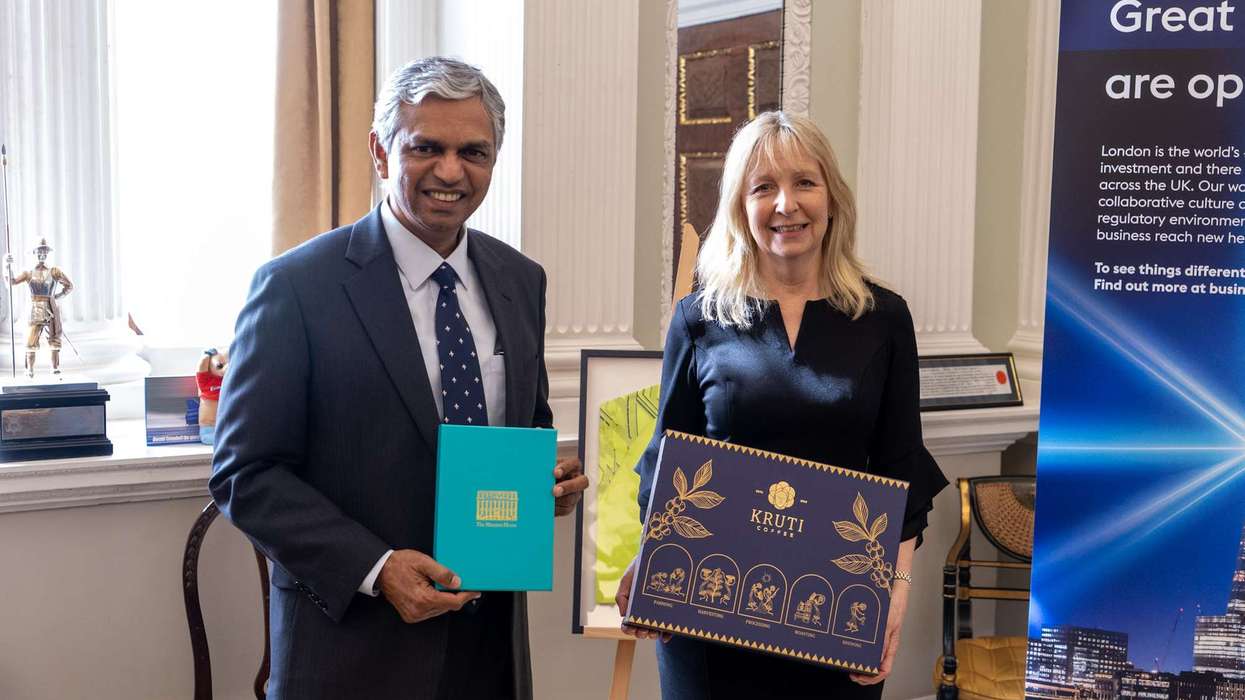
"The agreement will make it easier for our businesses to trade, invest and grow, while creating new opportunities across financial and professional services," Dame Susan Langley, lady mayor of the City of London, told PTI.
Referring to her recent visit to India, the global ambassador for the UK capital's financial district said she saw first-hand the opportunities in one of the world's fastest-growing major economies. She described CETA as a "landmark moment" for both countries.
"The City of London will support India's growth ambitions through global expertise in sustainable finance, insurance, capital markets and fintech. This agreement is the start of a new phase in an ambitious partnership.
"I look forward to seeing greater flows of investment, innovation and talent between our two countries in the years ahead," she said.
From aerospace and food to healthcare and financial services, CETA has been described as one of the most comprehensive trade agreements India has signed. It is expected to support industries employing millions of people, including textiles, footwear and engineering goods.
'Number of Indian companies in the UK to double'
"Happy birthday to CETA – the long-awaited agreement that will boost trade and economic growth between Great Britain and India," said Dr Kishore Jayaraman, Group CEO of the UK India Business Council (UKIBC). "It is a day the industry has been looking forward to, one that will support long-term growth," he said.
Jayaraman said the UKIBC, which supported the agreement throughout the negotiations, would now work with industry partners and governments in both countries to help businesses realise its benefits.
"We are now in the execution phase of this deal. The potential for both countries is enormous. The quoted figure is about GBP 25 billion in additional trade each year, but that may underestimate its potential," said Anuj Chande, Partner at Grant Thornton UK and head of its South Asia Business Group.
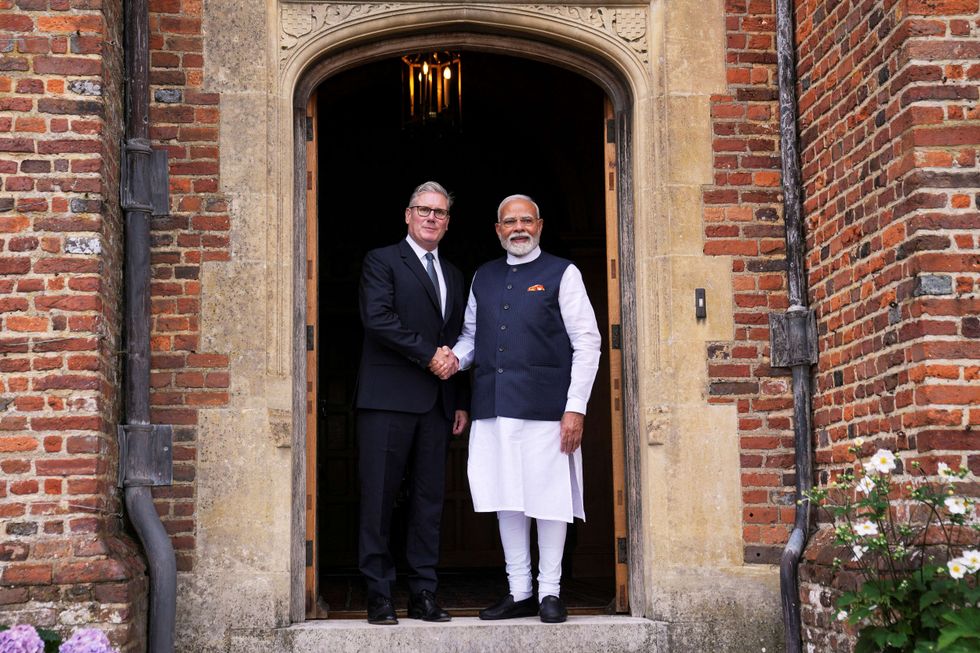 Prime ministers Sir Keir Starmer and Narendra Modi at Chequers in July last year, when the FTA was signed Kin Cheung/Pool/AFP/Getty Images
Drawing on the firm's annual India Meets Britain Tracker, Chande said the number of Indian companies operating in the UK could double from around 2,000 by 2030.
"The volume and size of investment will increase significantly," he said, identifying technology, defence, advanced manufacturing and life sciences as key sectors.
Tanuj Kapilashrami, group chief operating officer at Standard Chartered, described the FTA as a "landmark step forward for one of the world's most important growth corridors".
"By reducing trade tariffs, expanding market access and providing greater certainty for investors, it will create new opportunities for businesses of all sizes to invest and grow.
"Just as importantly, its digital and trade facilitation provisions will help make cross-border commerce faster and more efficient," Kapilashrami said.
He added that the focus should now be on turning the agreement into "tangible outcomes", with businesses that act early best placed to benefit.
Ani Kaprekar, co-founder of Tech India Advocates and Senior Counsel for India at Trafalgar Strategy, welcomed the agreement coming into force.
"The UK-India relationship has never lacked ambition. The FTA coming into force is not the finish line; it is the starting point. The agreement creates the bridge. It is now up to businesses, innovators, investors and creators to cross it," he said.
'Two economies with complementary strengths'
Cyrus Vandrevala, global investor and co-founder of Intrepid Capital Partners, described CETA as a "strategic growth architecture" between two economies with complementary strengths.
"India offers scale, talent, entrepreneurship and one of the world's most dynamic consumer markets, while the UK brings capital depth, institutional credibility, research capability and global market connectivity," he said.
"For investors, the real opportunity lies in sectors where structural demand, technology and human impact converge, including AI, healthcare, food and nutrition, financial services and advanced services.
"This agreement creates the predictability and access required to back companies with cross-border ambition," he said.
Vandrevala added that businesses moving early would be best placed to build trusted partnerships and expand internationally.
According to a UK parliamentary analysis, businesses have faced "considerable barriers" to entering the Indian market, with average tariffs of 12 per cent in 2024. Tariffs on some products were much higher, including beverages and tobacco (150 per cent), textiles (255 per cent) and transport equipment (125 per cent).
The India-UK CETA contains 30 chapters covering trade in goods and services, sanitary and phytosanitary (SPS) measures, technical barriers to trade, digital trade, intellectual property and government procurement.
India's commerce and industry minister Piyush Goyal, who visited London with a business delegation last month to build momentum for the agreement, said its entry into force would open the "floodgates" for increased trade and business.
(with inputs from PTI)