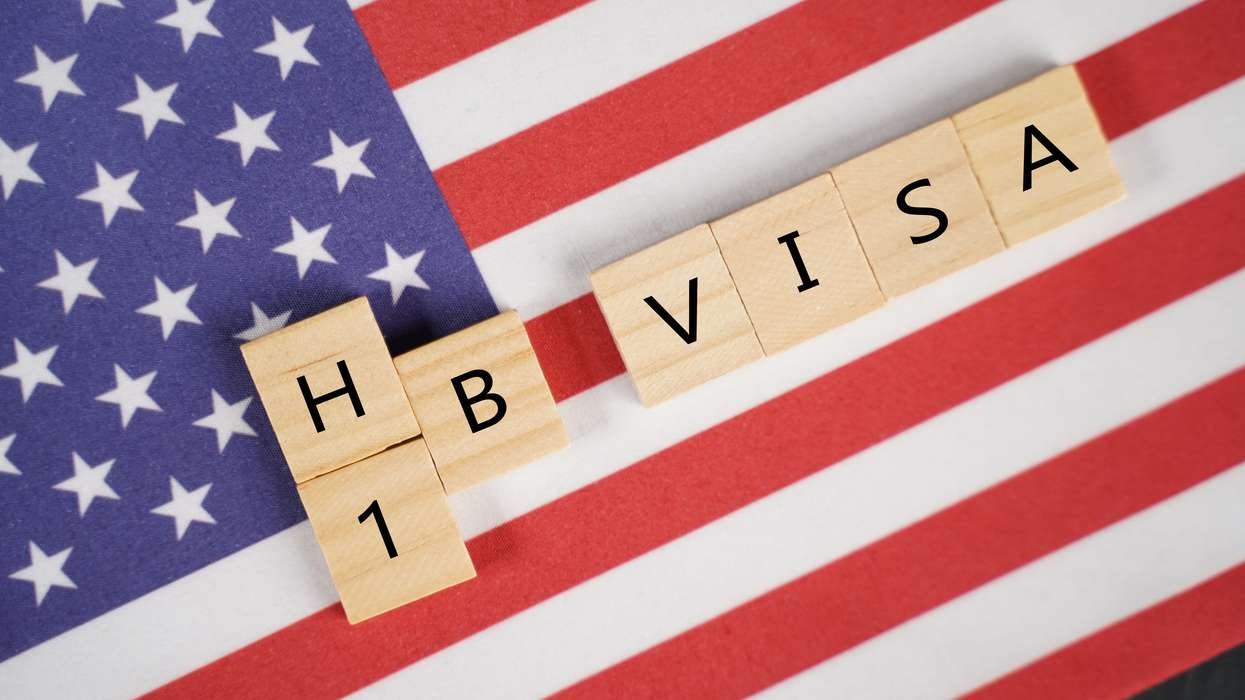

THE US has launched a federal investigation into alleged abuse of the H-1B and Program Electronic Review Management (PERM) employment visa programmes, with Indian IT services company Cognizant among the firms being examined, according to the US Department of Labour's Office of the Inspector General (OIG).
The inquiry centres on allegations that some employers and labour brokers submitted fraudulent visa applications, forced foreign employees into wage kickback arrangements and used lower-paid overseas workers to undercut wages and employment opportunities for US workers, the OIG said.
Speaking to Fox Business, Labour Department inspector general Anthony D'Esposito said investigators had already taken significant steps in the inquiry.
"We've already started to issue dozens of subpoenas; we are going to make sure that we track down every lead," D'Esposito said. He added that whistleblowers had raised concerns involving "some of the biggest companies like Cognizant", which he said had featured in discussions surrounding issues linked to PERM and H-1B visas.
The H-1B visa programme allows US employers to recruit foreign professionals for specialised occupations, while the PERM labour certification process enables employers to seek permanent residency for overseas workers after demonstrating that qualified American workers are unavailable for the role.
The investigation is being conducted under the Task Force to Eliminate Fraud, an initiative led by US vice president J D Vance.
In a statement, the OIG said the alleged misconduct undermines labour programmes designed to fill genuine workforce shortages by allowing employers engaged in fraudulent practices to benefit at the expense of American workers.
The watchdog also said the inquiry forms part of a broader effort to dismantle human trafficking and forced labour networks associated with the foreign guest worker visa system. It said the objective is to eliminate schemes that exploit vulnerable migrant workers while displacing US employees.
The investigation remains ongoing, with federal officials saying they will continue pursuing all available leads. No findings of wrongdoing have been announced, and the inquiry has not reached any conclusions regarding the companies under examination, according to reports.