
Highlights
- Labour leadership nominations open with Burnham the only declared candidate
- Former minister Al Carns and Wes Streeting have backed Burnham instead of standing
- Burnham has pledged greater devolution, stronger defence and higher living standards
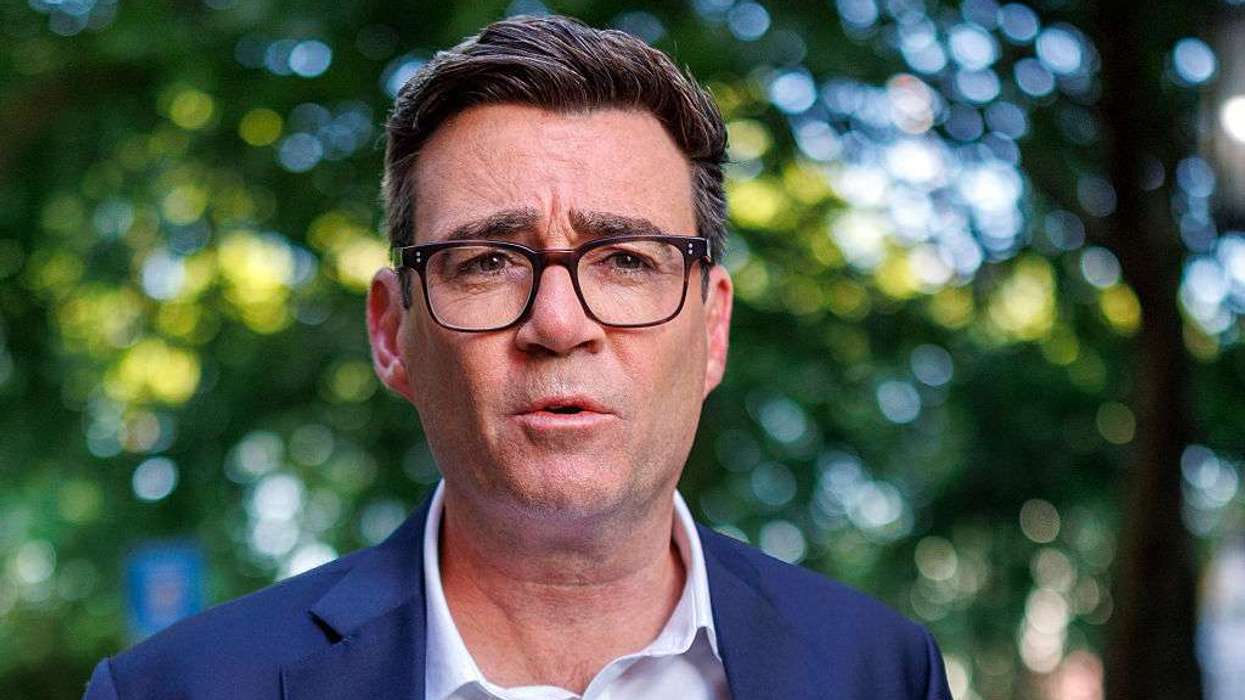
ANDY BURNHAM moved closer to becoming the next prime minister on Thursday (9) after the Labour Party formally opened nominations to elect a successor to Keir Starmer, with the former Greater Manchester mayor remaining the only declared candidate in the race.
The leadership contest began under a timetable approved by Labour's National Executive Committee (NEC), with candidates required to secure the backing of at least 81 Labour MPs by July 15.
Burnham, 56, is widely expected to clear that threshold comfortably and, if no challenger emerges, could be confirmed as Labour leader at a special party conference on July 17 before replacing Starmer at 10 Downing Street around July 20.
Starmer announced his resignation on June 22 after losing the confidence of Labour MPs following months of pressure over policy reversals and questions about his leadership. Burnham returned to Parliament after winning the Makerfield by-election, paving the way for a long-anticipated leadership bid.
Support for Burnham strengthened further after former armed forces minister Al Carns ruled himself out of the contest late on Wednesday (8). Carns had previously argued that a leadership race would provide "the opportunity for a proper debate", but concluded that "months of internal Labour politics isn't what the country needs right now. We've got to get on with the job," as he endorsed Burnham.
Former health secretary Wes Streeting also abandoned plans to stand and threw his support behind Burnham, leaving the former Greater Manchester mayor as the sole declared contender.
Several Labour MPs signalled confidence that no rival would emerge. One MP, speaking anonymously after nominating Burnham, said: "There's no one else." Another said the party was right to "roll the dice" on Burnham, adding, "I hope he's a breath of fresh air."
Another Labour lawmaker backed Burnham but expressed concern that he would have only a short period to prepare for government.
If another candidate enters before nominations close, Labour members and affiliated trade unions would vote during Parliament's summer recess, with the winner announced on August 29. In that case, Starmer would remain caretaker prime minister until a new leader is elected.
Burnham focuses on regional renewal, economic stability
Burnham has sought to present himself as a leader focused on regional renewal, economic stability and national security. In a keynote speech last month, he pledged to "bring about the biggest rebalancing of power our country has seen" by putting power "in the hands of the people and places who can use it best".
"We need a new determination to raise living standards of every single person in this land," he said. "And we must accept that to do that, to fix the economy and the country, we need to change politics and we need to do it now."
Writing in The Times ahead of the leadership process, Burnham also outlined his priorities if he becomes prime minister.
"As prime minister, my priority will be protecting the UK by boosting defence spending, reviving local industry and strengthening our alliances," he wrote.
He said his proposed "No. 10 North" would bring decision-making closer to communities across Britain through greater devolution.
"I see our strength at home and our strength in the world as indivisible," Burnham wrote. "Through No. 10 North, and the devolution of power to all parts of the UK, we will take a new approach to regenerating and re-industrialising the country, and thereby strengthening its resilience."
He also argued that "doing politics differently means levelling with the public, engaging them in decisions and ensuring more social value in return for increased government spending."
Burnham has also pledged to maintain fiscal discipline, adhere to the government's existing borrowing limits and reduce Britain's welfare bill, moves aimed at reassuring financial markets while pursuing regional investment.