
Makerfield proved to be the making of a new prime minister. This extraordinary by-election produced the pivotal moment of this parliament – while illuminating the challenges facing the competing political tribes now.
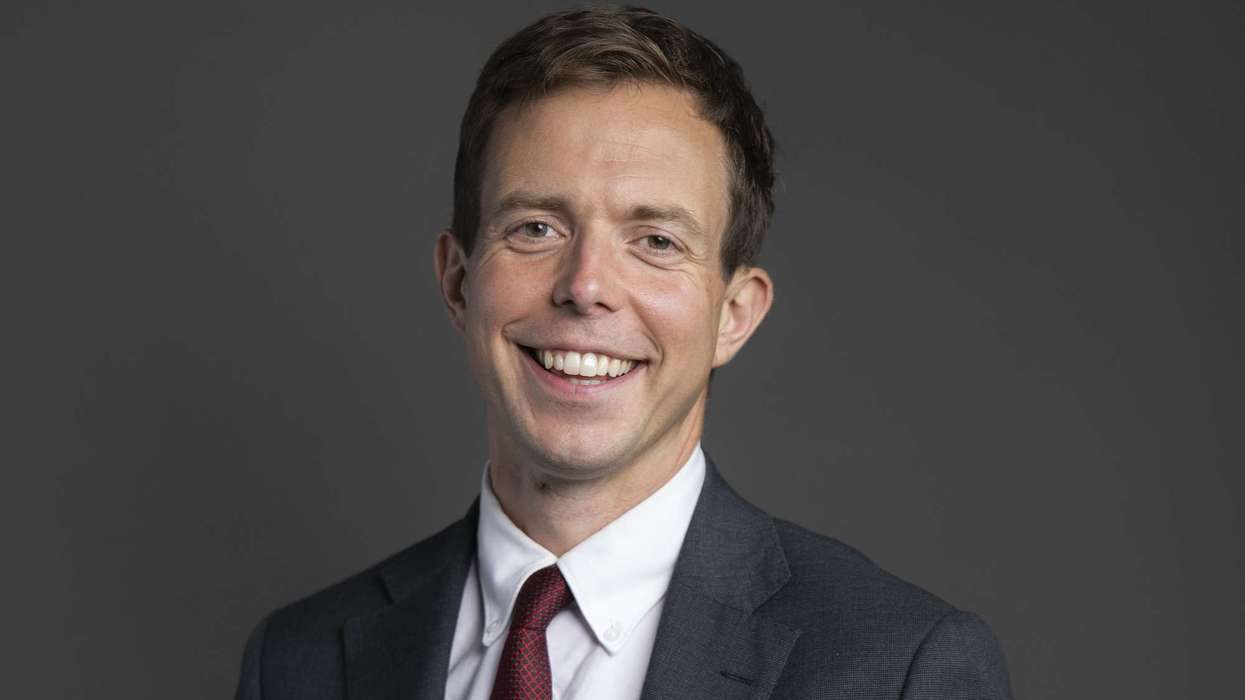
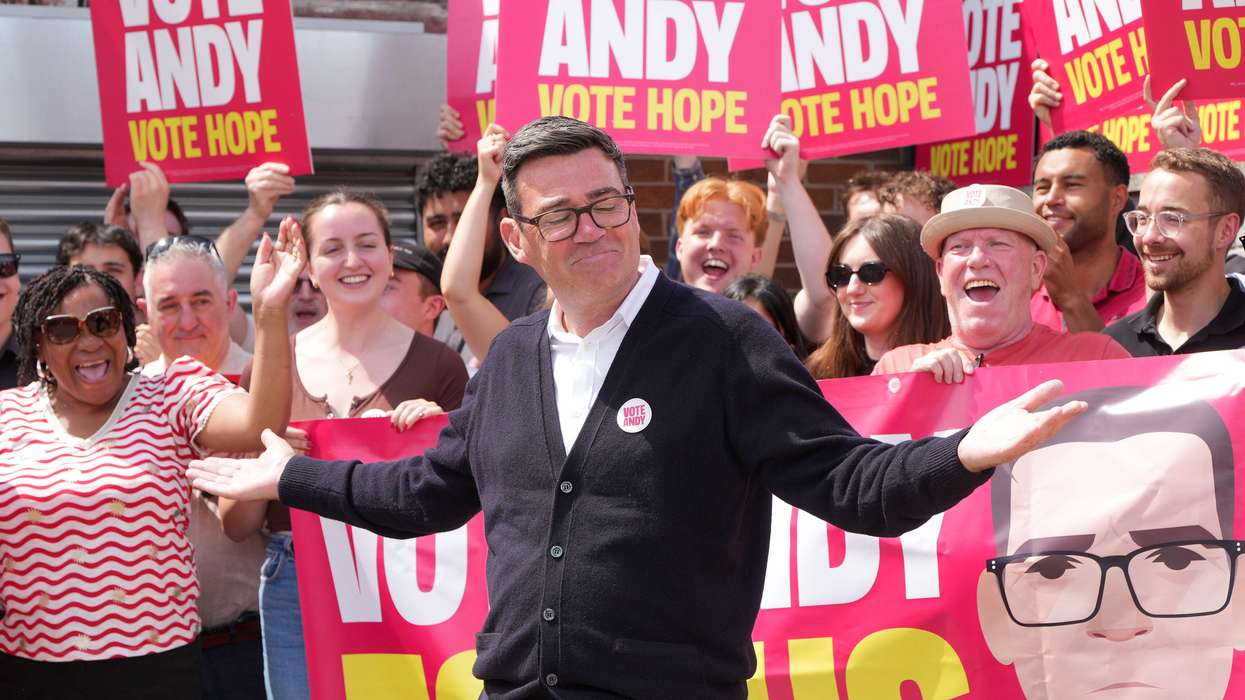
Andy Burnham ran as Labour’s candidate to change the Labour government – and its leadership, too. It was an unusually positive personal campaign – focused on his back-story, track record and commitment to public service, rather than attacks on his political rivals. His campaign messages - including “northern soul” – were rooted in the north-west of England, yet this often resembled an American candidate’s campaign. Burnham had somehow seemed to conjure up a midterm primary election to qualify to contest the party leadership, having nominated his home town to host it.
Burnham’s personalised campaign made this a very personal victory – pitching his offer to lead Labour’s “last chance” to change. Sir Keir Starmer sought to persuade cabinet colleagues or backbench MPs to back his “keep calm and carry on” counter-argument, that his government was delivering, but said that he accepted “with good grace” they did not believe he was the right leader for the next general election when addressing the country from Downing Street on Monday (22) morning.
Burnham had taken a genuine risk in running in Makerfield. The scale of his thumping victory made it a much more compelling pitch to the Labour party, than if an MP with a safer seat had stood down. Defeat in Makerfield is a major blow to Reform leader Nigel Farage's claim he is on course for power. His party got 32 per cent here, when it won 14 per cent nationally. Makerfield is so high up the party's target list that Reform would expect to gain it if they were on course for 20 or 30 seats, never mind the 200 or 300. Yet, the party was not even close, trailing by 9000 votes.
Reform can put this defeat down to the distinct appeal of Burnham in this time and place, and to the Reform candidate proving a liability once scrutinised. Yet this is also part of a recurring pattern too in successive Reform defeats, to the Green Party in Gorton and Denton, to the Welsh nationalists in Caerphilly and then across Wales, and now to Burnham in Manchester.
Above all, Reform needs to grapple with a new Farage paradox: when people believe that Reform could win, that can be what stops Reform winning. It is possible to secure power with a third of the voters - as Starmer showed in 2024 - but not if the prospect mobilises a larger group of voters to prioritise finding the most effective vehicle to stop Reform.
Farage also faces a new competitor on his right. The challenge from his former colleague Rupert Lowe’s Restore Britain party is that Farage is too moderate on migration and deportations and too pro-Muslim, in particular. Lowe even calls Reform "controlled opposition", suggesting Farage's populist party may be an orchestrated establishment plot to keep a real alternative from emerging. Yet Lowe’s online army party got an offline reality check. A seven per cent by-election vote share in Makerfield, given the favourable demographics, would be consistent with a four per cent national vote for a party running to Farage's right. A quarter of the Reform 2024 vote may regret that Farage's party is not more like the BNP, but that a policy of "no boundaries" at all so that overt racists, antisemites and neo-Nazis are invited into the party remains a liability at the ballot box.
National media commentators often misread the by-election dynamics. On the ground reporting found Burnham's appeal strong, and Reform struggling with women. The media coverage was partly misled by the pollsters, who adjusted unweighted samples with big Labour leads to put Reform closer, mistakenly believing that they had over-sampled the Labour vote.
The media over-hyped the Restore breakthrough, believing that only the split on the right would allow Labour to win. Too much attention to the distorting mirror of Elon Musk's X website can skew perceptions in newsrooms of how much reach the most vocal messages have.
So there will be yet another new prime minister – either by mid-July, if the opening of a formal leadership contest sees only one candidate nominated by Labour MPs, or in September, if that leadership election is contested. As Burnham prepares for national leadership, he must now turn his ability to articulate why people feel overlooked by Westminster in the places he is from - as the ‘king of the north’ from the pandemic to this by-election, into a message that can resonate with a broad coalition of support everywhere, across north and south. Starmer’s disappointment at his own early departure sets the key challenge: how to grapple with the realities of governing, yet maintaining the momentum of the promise of “change”.