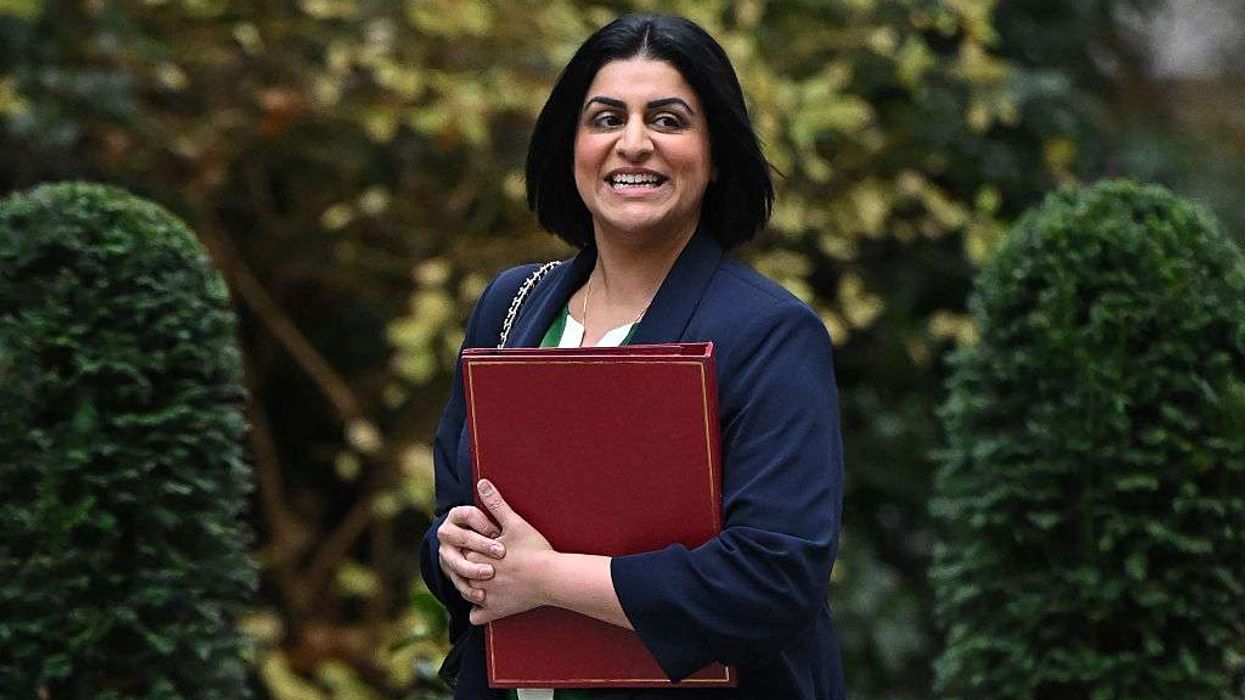

BRITAIN is becoming a more racist country as race relations worsen because politicians on the far left, including within the governing Labour party, are in denial about the scale of public concern over illegal migration, home secretary Shabana Mahmood has said.
In an interview with the Times on Saturday (22), the country's first female Muslim Cabinet member to hold the post repeated her statement from the House of Commons earlier in the week. She said she and her family members had been targeted with racist and anti-Muslim abuse regularly.
She said it was not new for her, "but there's a lot more of it around in recent times than there has been over the course of the rest of my life."
"And more of my own family have been racially abused in that way recently. My family members, my immediate family members, my extended family members, my parents, my siblings, my cousins. There are examples across our family and also the people I represent of more people telling me about being sworn at, told to f*** off home. That's becoming a bit too common these days again," she told the newspaper.
"The position on race relations, I feel, if you're an ethnic minority in Britain, you can say with confidence, unfortunately, has worsened," she said.
Birmingham-born Mahmood, who describes her parents as "proud Kashmiris" who then became "proud Brits" after moving to the UK in the 1960s and 1970s, said her tough stance on migration is guided by her family's experiences and that of her constituents.
The 45-year-old said MPs should not "gaslight" people who express concern over rising migration but acknowledge that there is a need to fix a broken system.
"They see a system that's broken. They have the evidence of their own eyes. And I think it's perfectly right for them to tell their MPs about it," said the Asian minister.
She warned that if the main parties fail to address the issue, then "darker" forces will prevail – hinting at the far-right anti-migration forces such as Nigel Farage-led Reform UK.
"I think actually what's driving the public anxiety is more related to government failure and people feeling like they never had a say over what the migration system looks like, that it was done to them, not with them, and whatever they were promised was not what the reality was, and I think that's a fair and legitimate criticism for people to make," she said.
The interview is among a series of statements made by Mahmood in recent weeks as she unveiled tighter rules for refugees and asylum seekers.
On Thursday (20), she tabled in Parliament what the Home Office has called the "biggest overhaul" of legal migration towards an "earned settlement" model that rewards those making greater contributions to British society.
It doubles the "baseline" period for settlement rights for legal migrants and visa-holders from five to 10 years, with fast-tracked options in place for higher taxpayers.
(PTI)