
HUNDREDS of south Asian patients in the UK are waiting for life-saving organ transplants because of a shortage of matching donors, prompting the NHS to urge more families to discuss organ donation.
New figures released during South Asian Heritage Month show there are currently 554 patients of south Asian heritage on the transplant waiting list, while only 26 deceased organ donors from the same ethnic background were recorded between April 2025 and March 2026.
That means more than 20 patients are waiting for every deceased south Asian donor.
NHS Blood and Transplant (NHSBT) said ethnicity plays an important role in organ transplantation because the best match is often found from someone with the same ethnic background, who is more likely to share similar blood and tis sue types.
This is especially important for kidney transplants, which account for 90.1 per cent of south Asian patients waiting for an organ.
South Asian communities are more likely to develop diabetes and high blood pressure, both major causes of kidney failure, according to NHSBT. Combined with a shortage of genetically matched donors, this has contributed to longer waits for patients needing a transplant.
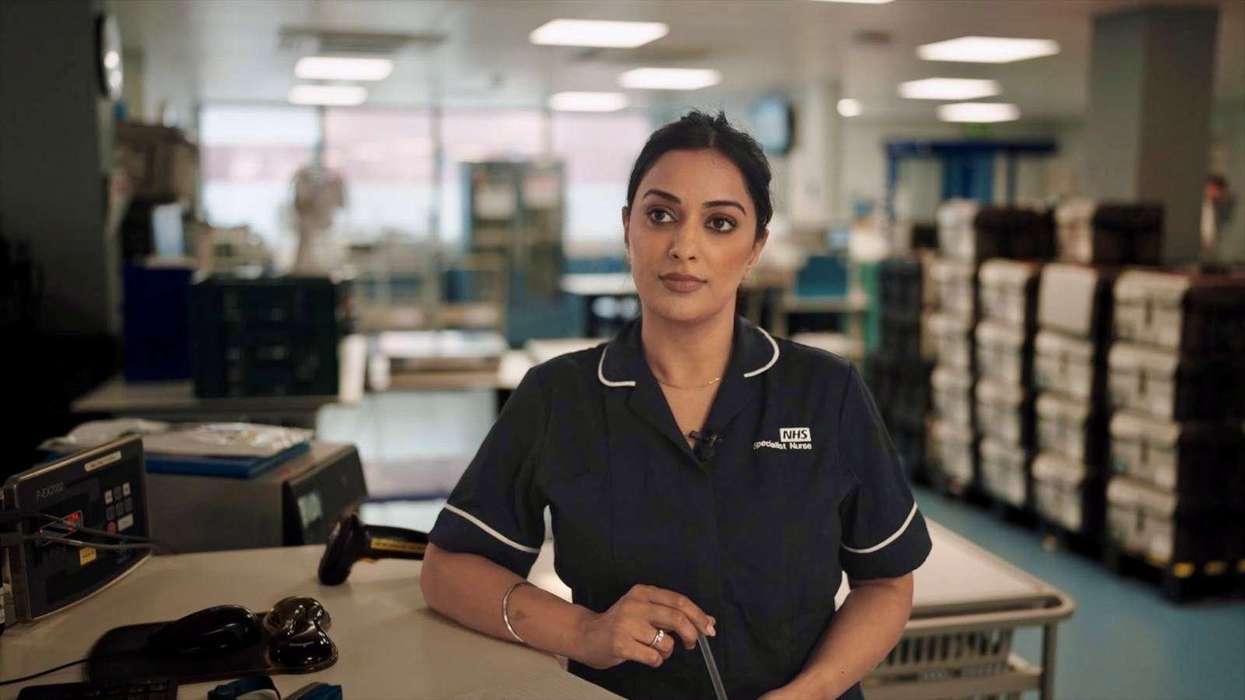
Harpreet Matharu, regional head of nursing at NHS Blood and Transplant, said the imbalance between the number of patients and available donors was having a direct impact on waiting times.
“We already see longer waiting times among Asian heritage populations and, unfortunately, some people waiting for a transplant will never receive one,” Matharu said.
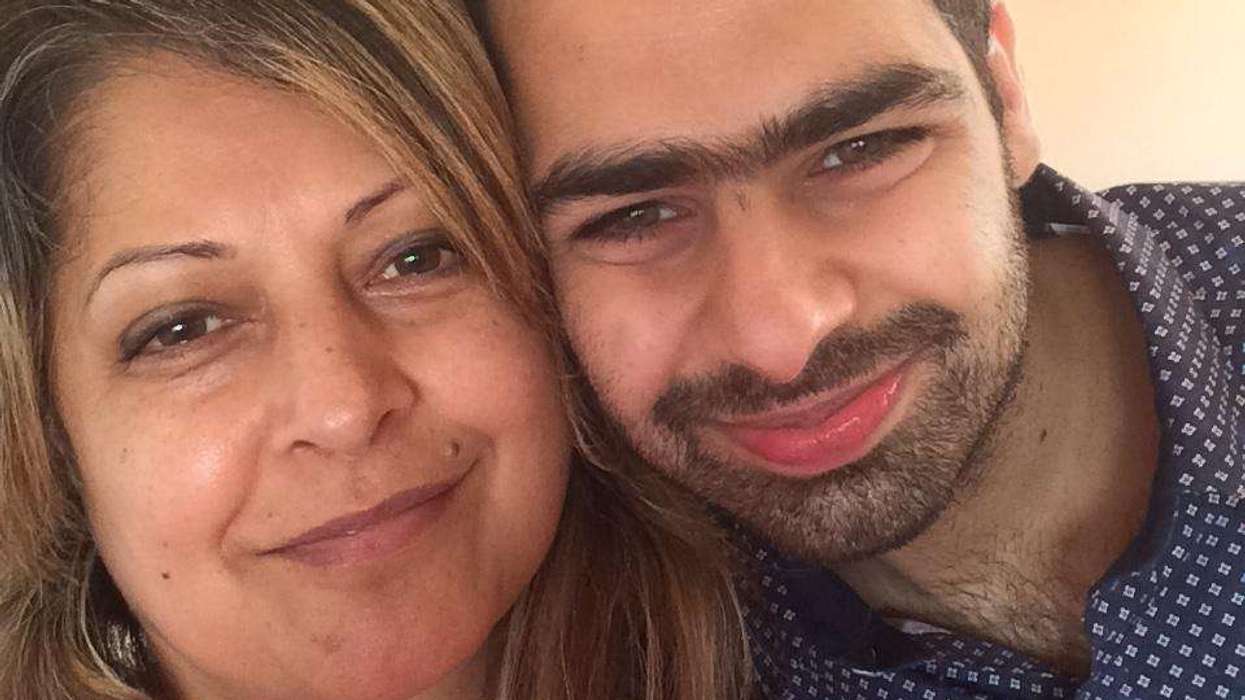 Bevi Sandhu with her son, Sunni BansalNHSBT
Adults of Asian heritage wait an average of 648 days for a kidney transplant, almost 20 per cent longer than the UK average of 547 days.
For children of Asian heritage, the average wait is 709 days, compared with 450 days across the UK, an increase of more than 60 per cent.
Matharu urged people not only to register their wishes, but also to discuss them with relatives.
“It’s really important that you confirm your decision on the NHS Organ Donor Register so your family can be sure of your decision after your death,” she said. “Families are much more likely to con sent when they are aware of their loved one’s decision, and signing the NHS Organ Donor Register is quick and easy. It just takes two minutes.”
Across the UK, more than 8,500 people are waiting for a transplant, while on average more than three people every day have died or become too ill for a trans plant over the past decade.
Consent rates also remain lower than among other ethnic groups.
Last year, 67 per cent of Asian families agreed to organ donation when their relative had already joined the NHS Organ Donor Register, compared with 85 per cent among all other ethnic groups. Donors of south Asian heritage accounted for just 1.8 per cent of all de ceased donors.
Bevi Sandhu from Hounslow, lost her son, Sunni Bansal, who died earlier this year after choking while eating.
She said agreeing to donate his organs brought comfort at a time of immense loss.
“I didn’t want this to be the end. I thought the only way he can carry on living is maybe living through other people, and that would be by organ donation,” she said.
Organ donation was rarely discussed in her Sikh community, Sandhu said, adding her son’s death changed that.
“The letter told us that Sunni’s donation saved three people. His kidneys saved two men, and his heart saved a 30-year-old man, while his liver and both of his lungs were donated to research.”
The letter, read aloud during her son’s funeral, prompted conversations among relatives and friends.
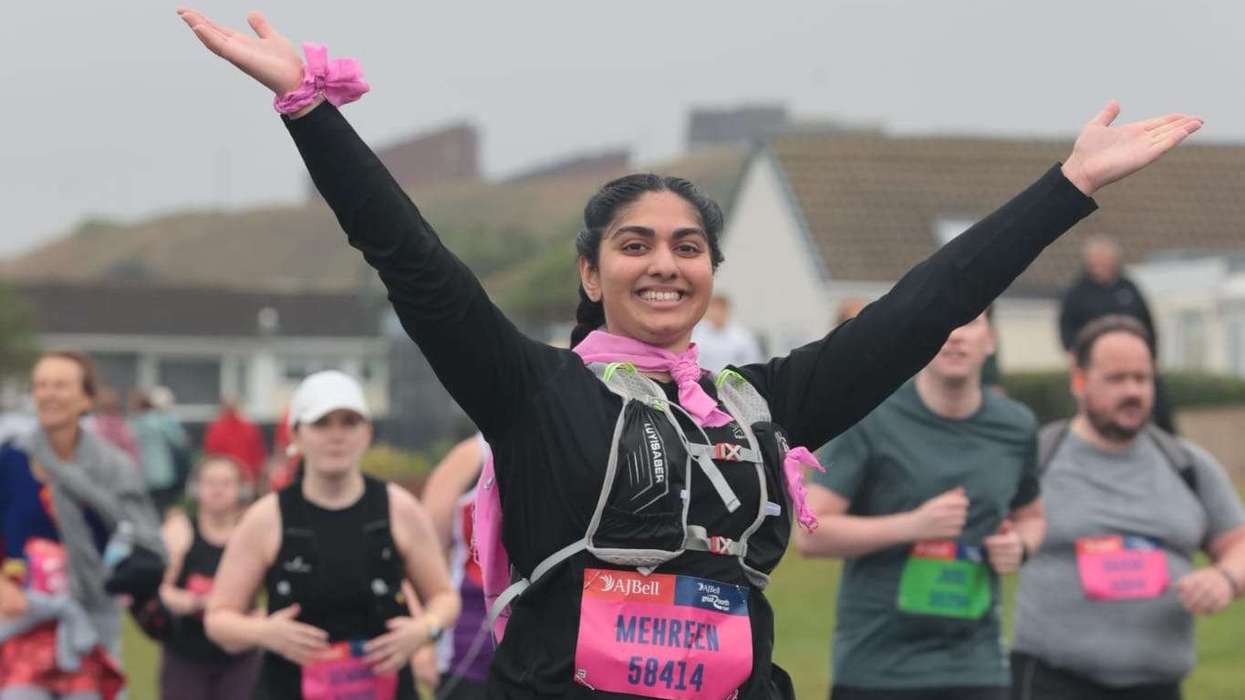
Mehreen Ahmed, 25, from Lincoln shire, underwent a heart transplant after developing acute heart failure caused by dilated cardiomyopathy.
 Harpreet MatharuNHS
Ahmed said she had never heard the term organ donation until she was placed on the transplant waiting list.
“I come from a Pakistani background, and I’d like more people within our com munities to just start that conversation around organ donation,” she said. “It’s hard to talk about, especially if no-one in your immediate circle has needed an organ transplant to survive.”
She hoped her experience will encourage others to consider becoming donors.
“I just want more people in our com munities to know just how much some one’s life can change when you say yes,” she said. “It’s literally just a conversation.”
Ahmed, who has since graduated from university, completed a half marathon and climbed Mount Snowdon after her transplant, said meeting her donor’s family reinforced the importance of discussing organ donation before death.
“As a Muslim, charity has always been a huge aspect of my religion,” she said. “I feel like organ donation is a form of charity in itself... It’s important people in our communities start having more open conversations around organ donation.”
For details, see organdonation.nhs.uk