
Highlights:
For patients battling blood cancer, finding a suitable stem cell donor can be a matter of life and death. However, for people of South Asian heritage in the UK, the search can be particularly difficult because potential donors from minority ethnic backgrounds remain underrepresented on international stem cell registers.
A new collaboration between UK stem cell transplant charity Anthony Nolan and India's largest stem cell register, DATRI, is aiming to change this. The organisations have recruited an additional 10,000 Indian donors through a three-year pilot project, offering fresh hope to British Asian patients and others around the world waiting for a potentially life-saving transplant.
Funded by the National Institute for Health and Care Research (NIHR), the initiative used data-driven recruitment to identify communities in India whose tissue types were most likely to match those needed by patients in the UK.
Researchers found that north-western regions, particularly Rajasthan and Gujarat, had the highest concentration of potential donors with tissue types similar to those sought by UK patients. This was significant because DATRI's previous recruitment efforts had largely focused on southern India.
The results have been encouraging. An analysis of the newly recruited donors found that eight in 10 had tissue types not currently represented on the Anthony Nolan register. UK patients searching DATRI's register were also six to seven times more likely to find a 10/10 match among the newly recruited donors than among the rest of DATRI's existing register.
 Indian Stem Cell Donor Drive Targets Life-Saving Matches for British AsiansWebsite
Why is finding a stem cell donor harder for South Asian patients?
A stem cell transplant can offer a potentially curative treatment for people with certain blood cancers and blood disorders. However, success depends on finding a donor with closely matching human leukocyte antigen (HLA) tissue types.
Patients are generally more likely to find a suitable unrelated donor from someone with a similar ethnic background. This makes the lack of diversity in global donor registers a significant challenge.
According to Anthony Nolan, two-thirds of registered stem cell donors worldwide are from Europe and North America, while only 16 per cent of potential donors across aligned UK registers come from minority ethnic backgrounds.
The consequences can be serious. Research by Anthony Nolan found that Asian patients in the UK have poorer survival rates following stem cell transplants than white patients. Asian cancer patients are 1.5 times more likely to die from complications within five years of a donor transplant.
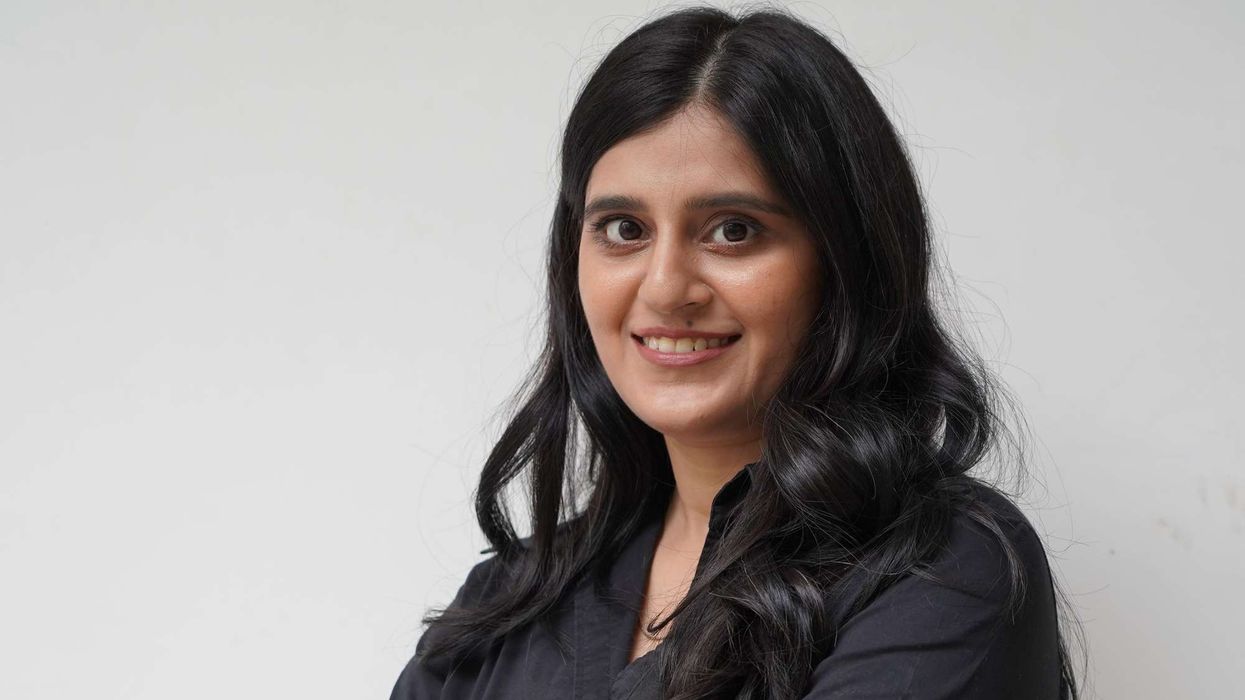
Dr James Robinson, director of bioinformatics at Anthony Nolan and leader of the study, said the underrepresentation of South Asian donors, alongside long-standing health inequalities, meant these patients were more likely to struggle to find a match and experience poorer outcomes following transplantation.
He said targeted recruitment and international collaboration could help diversify the global donor pool and improve patients' chances of finding an unrelated matched donor.
Indian donors have already helped save lives
The impact of the initiative is already being felt beyond the UK. Ten donors recruited through the project have gone on to donate stem cells to patients in India.
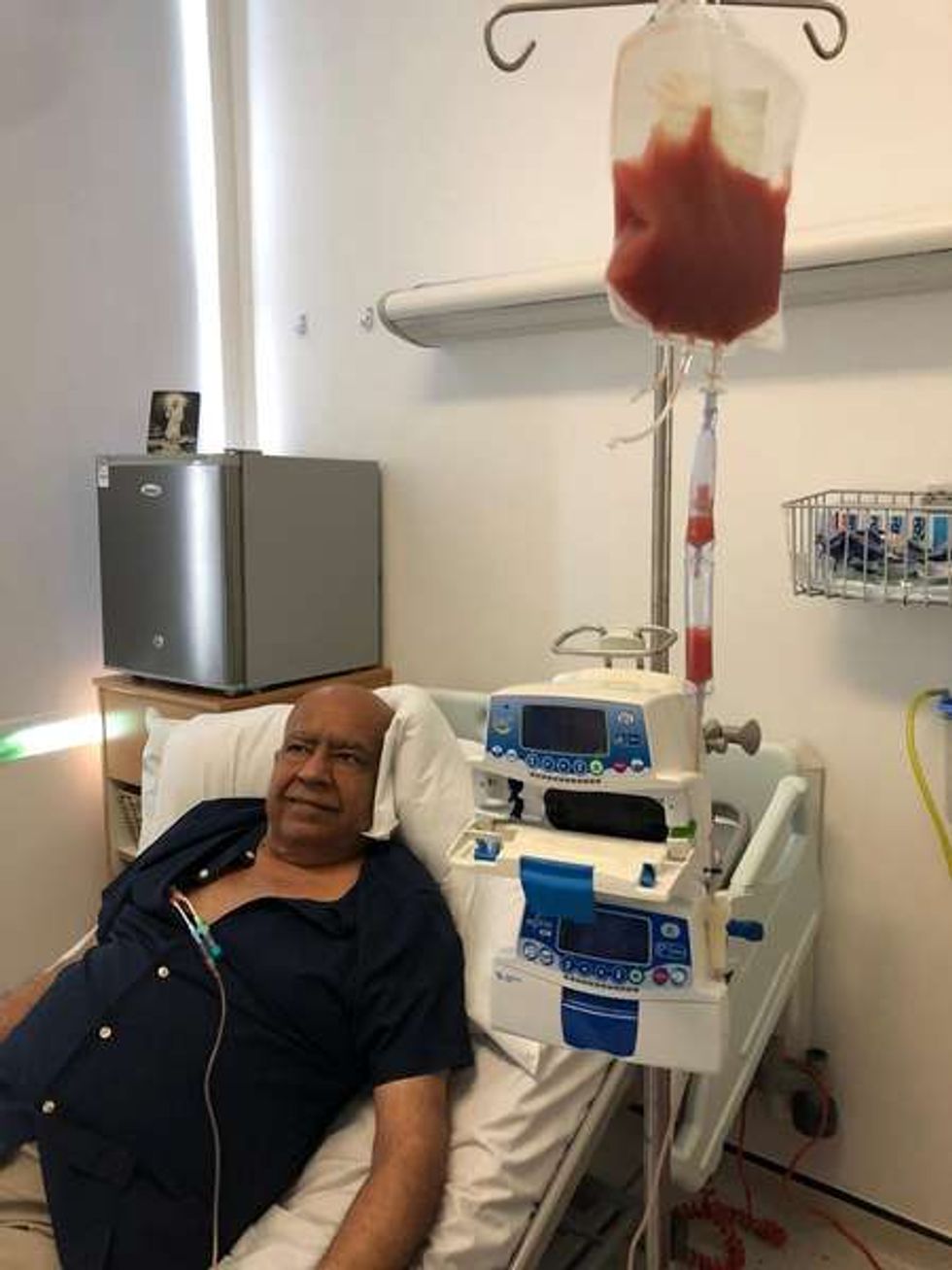
One patient who understands the importance of finding a suitable match is 75-year-old Pradeep Thatai from Kent, who was diagnosed with acute myeloid leukaemia following a routine blood test and bone marrow biopsies.
After undergoing intensive chemotherapy, he was told that a stem cell transplant offered his best chance of a cure. In July 2022, he received a transplant from an Indian donor.
Pradeep recalled being warned that his Indian heritage could make finding a donor more difficult.
“I was expecting it to take months or even years, but within a few weeks I was told there was a 100% match for me – a donor based in India,” he said.
Now four years on from his transplant, Pradeep is in full remission.
He said: “I feel so grateful to my donor. He lives on the other side of the world to me, but if it wasn’t for him, I wouldn’t be here today.”
He added that the recruitment of another 10,000 Indian donors could help people facing the same uncertainty he once experienced.
More work needed to address health inequalities
While increasing donor diversity is an important step, Anthony Nolan says the challenge goes beyond recruitment. The charity is also researching ways to improve transplant survival rates and understand the reasons behind persistent health inequalities.
Yasmin Sheikh, head of policy and public affairs at Anthony Nolan, said international partnerships were helping improve the chances of minority ethnic patients finding suitable unrelated donors, but further work was needed to address inequalities in treatment outcomes.
DATRI's CFO, Claudia Rutt, said the initiative demonstrated how technology and data could help identify communities where donor recruitment could make the greatest difference.
With 10,000 additional donors recruited and patients already benefiting from the initiative, the collaboration offers a promising example of how international cooperation can help bridge gaps in healthcare. For South Asian families waiting for a life-saving match, a more diverse donor register could make the difference between waiting and finding a second chance at life.