- The full UK state pension is expected to rise by 3.9 per cent to £13,036 a year from April.
- A proposed tax-free allowance of £13,036 could shield nearly a million low-income pensioners from income tax.
- The Chancellor is also reportedly shelving plans to reduce the maximum tax-free pension lump sum.
Nearly a million pensioners in the UK could be spared income tax under plans expected to be announced in the Budget, as an increase in the state pension threatens to push more people above the existing tax-free threshold.
The full new state pension is expected to rise by 3.9 per cent to £13,036.40 a year from April. Under current rules, that would put it above the £12,570 personal allowance, the amount most people can earn before paying income tax.
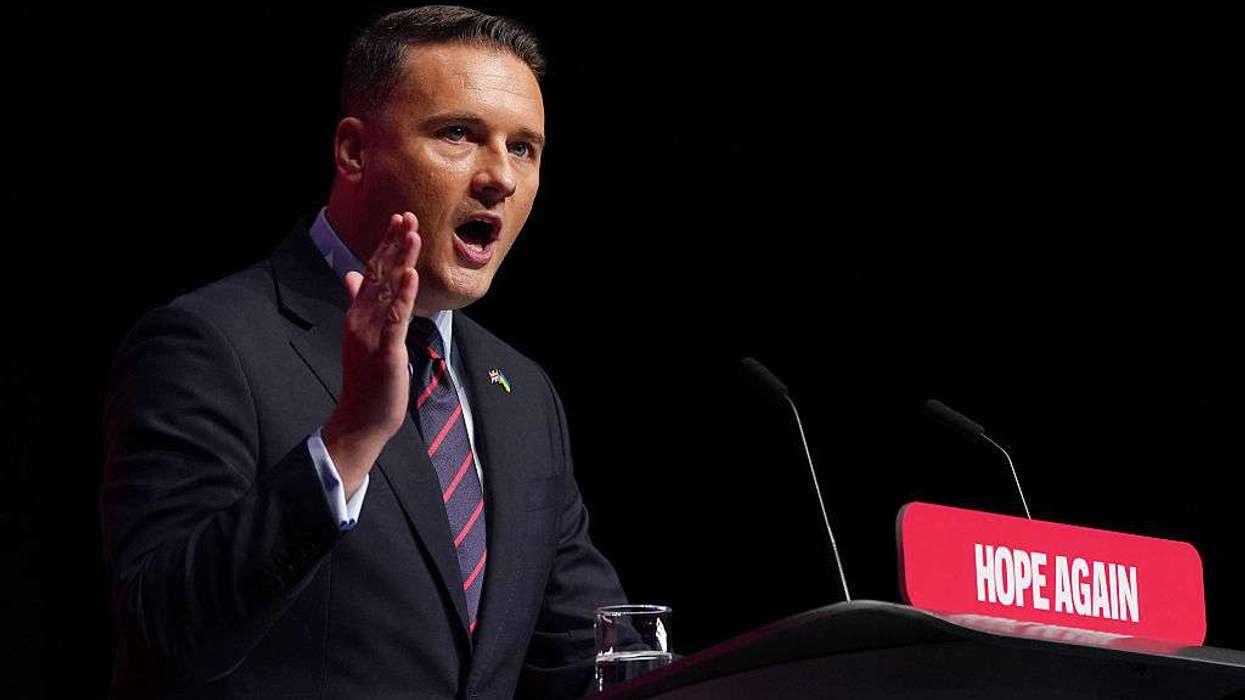
Chancellor John Healey is expected to introduce a higher tax-free allowance for low-income pensioners, matching it to the new state pension rate. The measure would fulfil the Government's commitment not to tax people whose only income comes from the state pension.
The change comes amid concerns that the freeze on the personal allowance since 2021 has drawn more pensioners into the tax system, even when their incomes have risen only modestly. However, the proposed protection would not exempt everyone in retirement from tax. Those with additional income from private or workplace pensions could still face income tax.
How will the proposed tax allowance protect pensioners?
The planned allowance is intended to prevent people who rely solely on the state pension from having to pay tax simply because their annual payment rises above the existing threshold.
The proposed increase would bring the tax-free allowance for eligible low-income pensioners to £13,036, in line with the expected full state pension. According to reports, the allowance would continue to rise alongside the state pension during the current Parliament.
The measure is expected to cost around £200 million a year by the end of the decade, according to reports.
The distinction matters because the state pension's annual increase does not automatically change the income tax threshold. Without a corresponding adjustment, pensioners whose income crosses the allowance could become liable for tax, even if the increase leaves them with only a small amount above the threshold.
Steve Webb, a partner at pension consultants LCP, described the expected measures as part of a “decidedly pensioner-friendly budget”, as quoted in a news report.
The Chancellor's plans come against a difficult backdrop for public finances. Government debt is approaching £3 trillion, while higher debt-servicing costs and pressures on public spending are limiting the room available for new measures.
What else could the Budget mean for retirement savings?
Healey is also reportedly holding back plans to reduce the maximum tax-free lump sum that people can withdraw from their pension pots.
The proposed change had been expected to cut the maximum tax-free withdrawal from £268,275 to £100,000. If shelved, the existing limit would remain in place, allowing eligible savers to withdraw up to the current threshold without paying income tax on that lump sum.
The issue has attracted attention after pension withdrawals increased sharply. According to the Financial Conduct Authority figures cited in the reports, withdrawals from pension pots rose from £52 billion to £91 billion over two years, an increase of around 75 per cent.
The rise has been linked partly to concerns about possible changes to pension taxation, including the planned inclusion of unused pension funds within inheritance tax rules from April 2027.
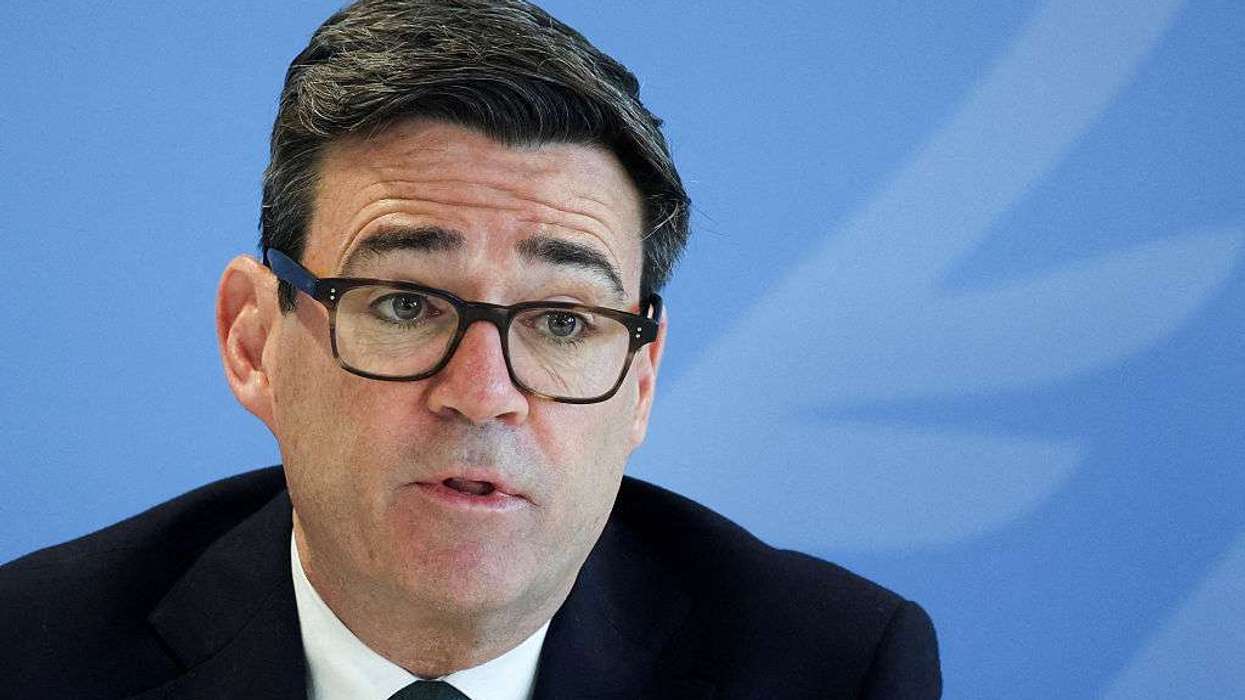
There is also a wider debate over the future of the state pension triple lock, which increases payments by whichever is highest among inflation, average earnings growth or 2.5 per cent. Labour's Andy Burnham has said the mechanism is expected to change in 2030 as part of plans to fund a new social care system.
The future arrangement has yet to be fully confirmed, although proposals have been discussed that would remove the wage-growth element while retaining a mechanism to protect pension values.
For pensioners, the immediate question is whether the Budget delivers the promised tax protection and how it will define eligibility. The proposed allowance could prevent many people on low incomes from paying tax on their state pension alone, but those with other retirement income will still need to consider their overall tax position.
The announcement will also need to be viewed alongside the Government's longer-term plans for pension increases and public spending. Protecting low-income retirees from an unexpected tax bill may offer relief, but it will not resolve the broader pressures facing pensioners as living costs and retirement needs continue to change.