
Highlights
- Streeting says Britain must be ready to fight alongside Nato allies.
- Government guidance urges households to keep three days’ worth of food and water.
- Defence spending remains under scrutiny ahead of the Budget.
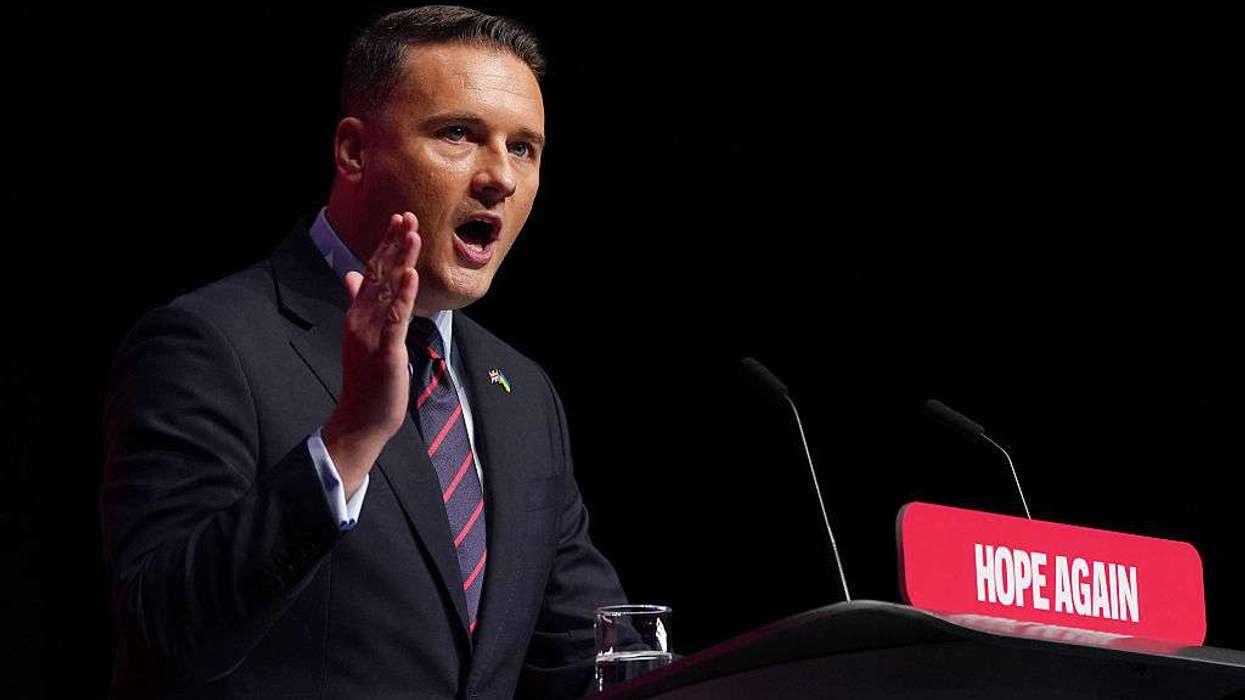
BRITAIN must be ready to fight and win a war within the next 1,000 days, defence secretary Wes Streeting has warned, saying Russia’s growing military strength could put the country in a position to attack the UK by 2030.
Streeting said preparing Britain for conflict was his “defining priority” and called for stronger defence capabilities to deter potential adversaries.
“Our adversaries’ willingness to harm us is not new. What has changed is their capacity,” he wrote in The Telegraph. “By 2030 their force strength and war economy could put them in a position to attack. That gives us a little over 1,000 days to complete our mission: to be ready with our allies to fight and win.”
His warning comes amid concerns about Russian activity around Nato countries and threats to Britain's critical infrastructure.
Earlier this month, the government launched its “Be Ready” campaign, urging households to prepare for emergencies that could disrupt essential services, including cyber attacks and severe weather.
The guidance advises people to keep enough non-perishable food and bottled water to last three days, along with blankets and a radio. Households are being asked to prepare for a situation in which supermarkets and electronic payment systems may be unavailable.
People have also been advised to keep cash, a first-aid kit and a torch with batteries.
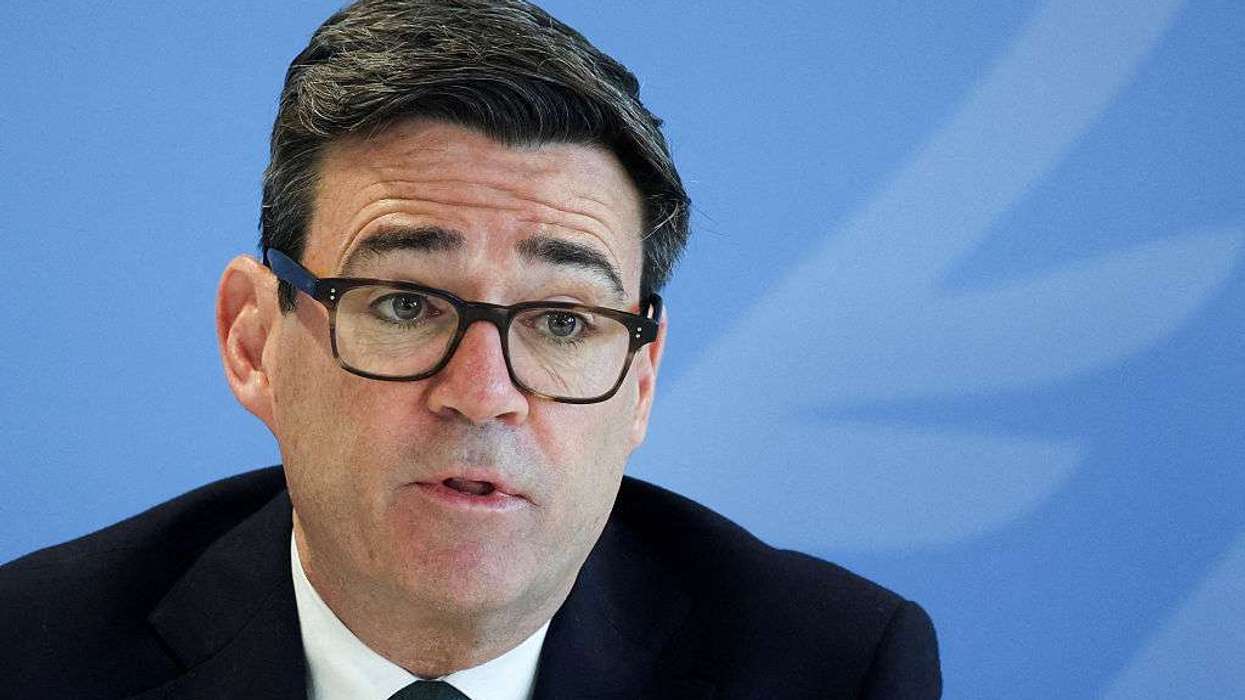
Prime minister Andy Burnham has stressed that the campaign is about sensible preparation rather than causing alarm.
“It’s not about panicking,” he told the BBC, adding that households should have enough supplies to manage through a difficult situation.
Concerns over undersea cables
The government’s advice follows concerns about cyber security and the protection of vital infrastructure.
A security flaw in PHP, a programming language used by about 70 per cent of websites, recently caused websites around the world to go offline.
There have also been reports that Russia has been using fishing trawlers to gather intelligence on Britain's undersea cables. Ministers have said Moscow is using “commercial proxies” to threaten vital infrastructure.
The government has since set out plans for tougher prison sentences for people who sabotage undersea cables.
Streeting said Britain needed to strengthen its ability to deter attacks while ensuring it could respond if deterrence failed.
“To prevent the worst, we have to prepare for it,” he was quoted as saying. “In the first instance, that means expanding our capabilities so our adversaries think twice about attacking us. Should that fail, we must ensure that Britain is ready for war.”
The warning also reflects growing concern about the risks posed by cyber attacks and other threats to essential services. MI5 director general Sir Ken McCallum recently called for a “whole-of-society effort” to protect national infrastructure.
Defence spending debate
Streeting's warning comes as the government faces questions about how quickly it will increase defence spending.
He said the need to prepare for conflict risked being overshadowed by arguments about spending targets and deadlines.
“I am not saying they are not important debates. I am certainly willing to have them,” he wrote, arguing that the Conservatives must accept responsibility for their record in government.
“The Conservatives must face up to the fact that they left Britain with the smallest army since the Napoleonic Wars, missed every single recruitment target and oversaw plunging morale.”
Streeting said the government was delivering the biggest sustained increase in defence spending since the end of the Cold War.
“I am 100 per cent confident that under this Labour prime minister and chancellor we will meet our Nato spending target,” he said.
The government has shifted its focus from a target of spending three per cent of gross domestic product on defence by 2030 to Nato’s commitment to spend 3.5 per cent of GDP on defence by 2035.
The issue is expected to remain under scrutiny ahead of Wednesday’s Budget.
Former defence secretary John Healey resigned in June over the refusal to commit to the three per cent target by 2030. Since becoming chancellor in Burnham’s Cabinet, he has been at the centre of the debate over how much the government should spend on defence and when.
Tory shadow chancellor Andrew Griffith has called on Healey to resign if he fails to set out how the UK will reach three per cent of GDP by 2030.
Streeting acknowledged that higher defence spending would require choices about other areas of public spending.
Former Army chief General Sir Patrick Sanders warned last year that Britain had less than five years to prepare for a possible conflict with Russia.
“The world has become as dangerous, if not more dangerous, than it was in the Cold War,” he said, warning that threats once seen as happening elsewhere could affect people in the UK.