
- Wealth tax reforms became the centrepiece of Streeting’s pitch.
- His criticism of Keir Starmer intensified leadership speculation.
- Brexit and nationalism emerged as key political themes.
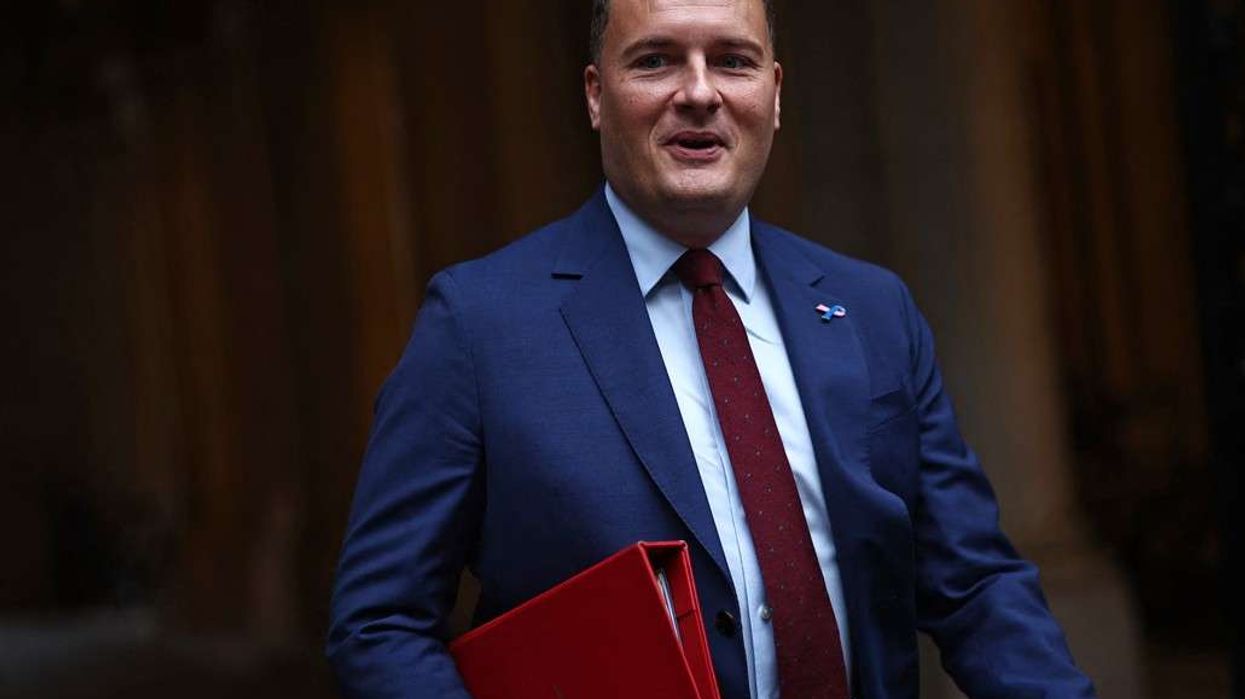
Former Health Secretary Wes Streeting has intensified speculation around his future leadership ambitions after resigning from government and openly criticising Prime Minister Keir Starmer. In an interview with the BBC’s Political Thinking podcast, Streeting spoke about tax reforms, Brexit, Labour’s political identity and the future direction he believes the party should take.
Here are the biggest takeaways from his emerging leadership agenda:
1. Streeting wants to overhaul capital gains tax
At the centre of Streeting’s economic pitch is a proposal to align capital gains tax with income tax rates. The move would mean profits earned from selling assets such as shares or property could be taxed at the same rates as salaries.
The argument behind the proposal is that Britain’s tax system currently treats wealth more favourably than work. According to Streeting, employees paying standard income tax often face higher rates than individuals earning through investments, creating what he views as a fundamentally unfair structure.
The reform is also being positioned as a revenue-generating measure that could help fund public services while reshaping Labour’s economic identity around fairness and productivity.
2. A crackdown on tax loopholes is part of the wider plan
Streeting’s proposal goes beyond simply increasing tax rates. Another major focus is closing loopholes that allow high earners to classify regular income as capital gains in order to reduce tax liabilities.
The criticism is aimed at complex financial arrangements often used by wealthy individuals and company executives. By tightening the rules, Streeting appears to be trying to position Labour as tougher on tax avoidance while appealing to middle-income voters frustrated by perceived inequalities in the system.
The broader message is that the tax burden should not fall disproportionately on salaried workers while others benefit from legal but controversial financial structures.
3. Entrepreneurs would still receive special treatment
Despite calling for tougher taxation on certain forms of wealth, Streeting has also been careful not to alienate the business community.
His proposal includes maintaining lower capital gains tax rates for entrepreneurs who build companies, create jobs and take financial risks. The distinction appears designed to separate passive wealth accumulation from active business creation.
This allows Streeting to balance two political goals at once — promoting tax fairness while still presenting Labour as supportive of innovation, startups and private enterprise.
4. Labour’s lack of identity has become a major criticism
One of the sharpest parts of Streeting’s remarks focused on Labour itself. His criticism centres on the idea that voters no longer clearly understand what the party stands for under Starmer’s leadership.
The concern being raised is not simply about policy disagreements, but about political identity. Streeting’s comments suggest Labour has become too cautious and managerial at a time when voters are looking for stronger direction and emotional connection from political leaders.
This criticism reflects growing unease inside sections of the party following disappointing electoral performances and declining enthusiasm among some Labour supporters.
5. Leadership ambitions are now out in the open
While no formal Labour leadership contest has begun, Streeting has moved significantly closer to openly positioning himself as a future contender.
He revealed that he directly informed Starmer about his intention to challenge for the party leadership if circumstances allowed. Combined with his cabinet resignation and increasingly public criticism, the comments have intensified speculation about a future leadership battle inside Labour.
The developments also indicate that internal frustrations within the party may now be moving from private conversations into open political positioning.
6. Andy Burnham’s possible return changed Labour calculations
Streeting indicated that the possibility of Andy Burnham returning to Westminster influenced the timing of any potential leadership manoeuvres.
The expected by-election route for Burnham created concerns that an immediate leadership challenge could appear politically opportunistic or destabilising for the party.
The situation highlights how Labour’s internal dynamics are increasingly shaped not just by Starmer’s position, but also by the growing visibility of alternative figures who could compete for the party’s future direction.
7. Brexit is back in the conversation
Streeting also reignited debate around Brexit by describing the UK’s departure from the European Union as a “catastrophic mistake”.
Although he stopped short of demanding an immediate return to the EU, the remarks are significant because many senior Labour figures have treated the issue cautiously since the party’s 2019 election defeat.
The comments suggest that some parts of Labour may now be more willing to openly discuss rebuilding closer ties with Europe as economic pressures continue affecting trade, investment and growth.
8. Streeting warned Labour about rising nationalism
Underlying many of Streeting’s comments is a broader warning about the political mood in Britain.
He argued that Labour risks losing ground if it fails to offer a stronger sense of purpose and identity at a time when nationalist and populist movements are gaining attention across parts of Europe and the UK.
The message reflects a belief that voters are increasingly drawn to parties that project confidence, cultural clarity and strong national narratives, areas where some Labour critics believe the party has struggled in recent years.