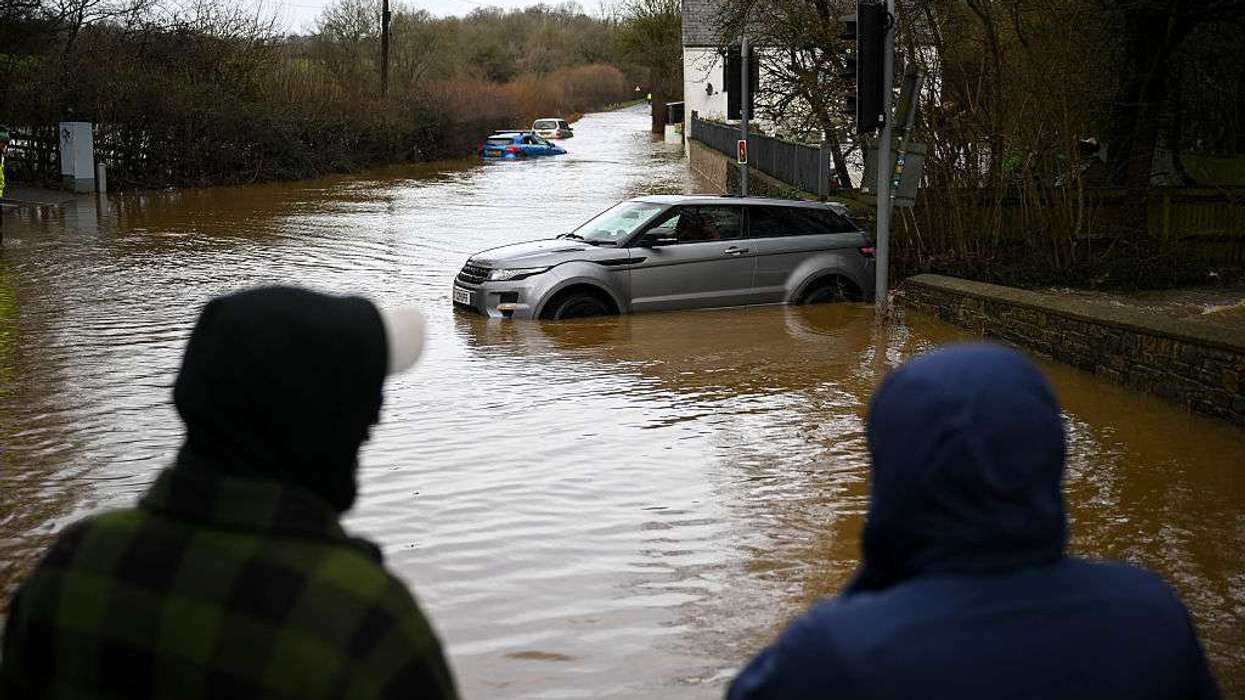

Highlights
- 'Need more reservoirs, cooling systems in public buildings'
- More homes will be vulnerable to flooding, coastal erosion
- Inaction could cost up to £260 billion per year
BRITAIN needs to invest £11 billion ($14.75bn) annually to make its homes and public buildings more resilient to the escalating threats of drought, flooding and extreme heat waves, according to a report published on Wednesday (20).
The five-yearly report, drawn up by independent climate change advisers and titled Well-Adapted UK, conjures up a bleak future in which more elderly people could suffer heat-related deaths, and where more homes are prone to flooding while also facing an increased risk of the taps running dry.
Under a scenario where global temperatures rise by 2 degrees Celsius by 2050, and without action to preserve water, drier summers could lead to water shortages in Britain of more than five billion litres per day, the Climate Change Committee advisers said in their report.
"We are facing a potential world where... in 2050 you could turn the tap on and nothing would come out," CCC chair Julia King told a press briefing.
Among its recommendations, the CCC urges Britain's water industry to bolster drought resilience, fixing leaks and building more reservoirs.
It calls for cooling systems to be installed in schools, hospitals and prisons, and for the retrofitting of homes with adaptation measures to reduce flooding and overheating risks.
Britain currently spends around £2bn a year explicitly on climate resilience. The CCC urged the government to treat climate change with the same urgency as geopolitical threats, with clear targets, delivery plans, and sufficient resources.
Extreme heat conditions
Countries worldwide have experienced record-breaking heat in recent years, with 2024 the warmest on record and last year among the planet's three warmest on record.
The report said heatwaves in southern England in the future could regularly exceed 40 degrees Celsius, posing health risks to the elderly and vulnerable in their own homes.
Annual heat-related deaths could hit 10,000 without adaptations for climate change, more than three times the current level, it said.
Britain's highest recorded temperature to date was 40.3 C in the summer of 2022.
By 2050, with 2C of global warming, the number of properties at risk from flooding could increase by up to 40 per cent, and sea levels are also expected to rise.
Britain should invest up to £2.2bn annually to counter flooding risks, the report said, while new homes must not be built in areas liable to flooding or coastal erosion.
The total cost of inaction on preparing for a warmer climate would be much greater, costing as much as £260bn per year, by 2050 under the 2°C global warming scenario, it added.
(Reuters)




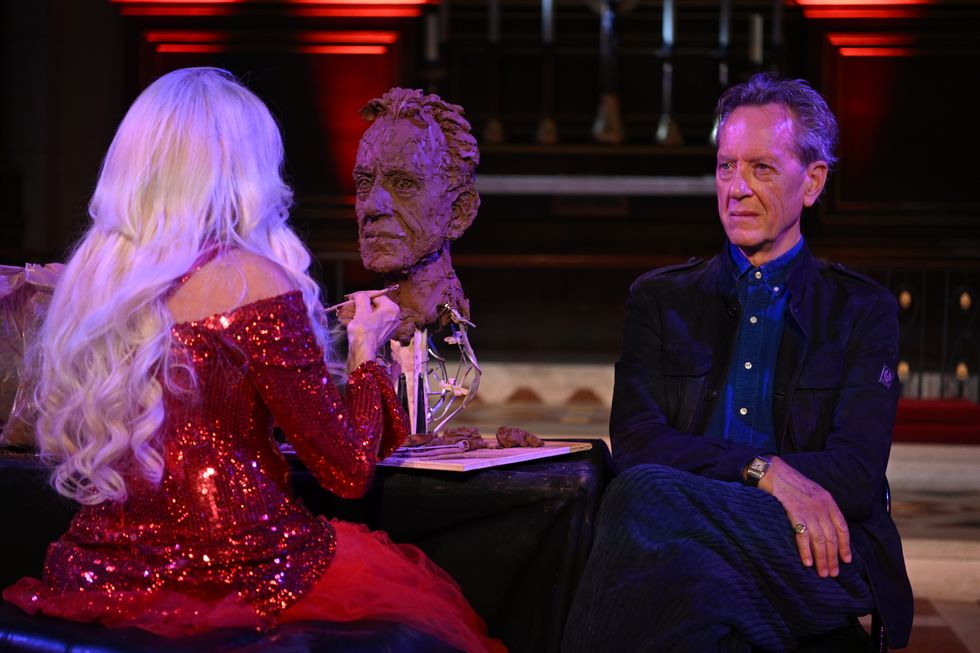 Frances Segelman makes bust of Richard E GrantSophie Dunne
  Frances Segelman with maquette of Mulayam Singh Yadav Sophie Dunne
  Frances Segelman was dressed by KruszynskaSophie Dunne
 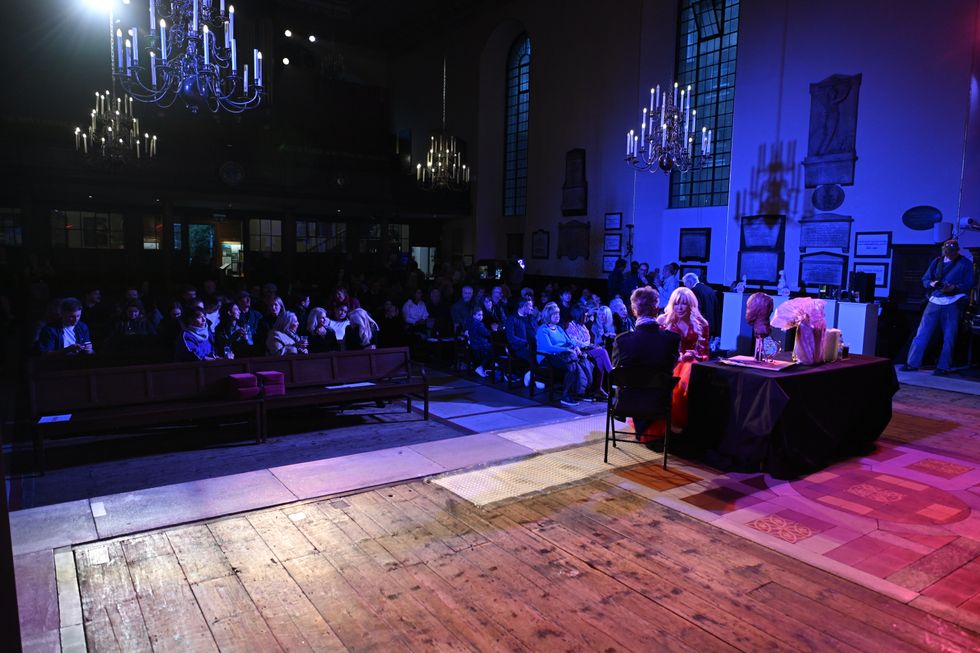 Frances Segelman live sculpting Richard E Grant in Actors' Church in Covent Garden.Sophie Dunne