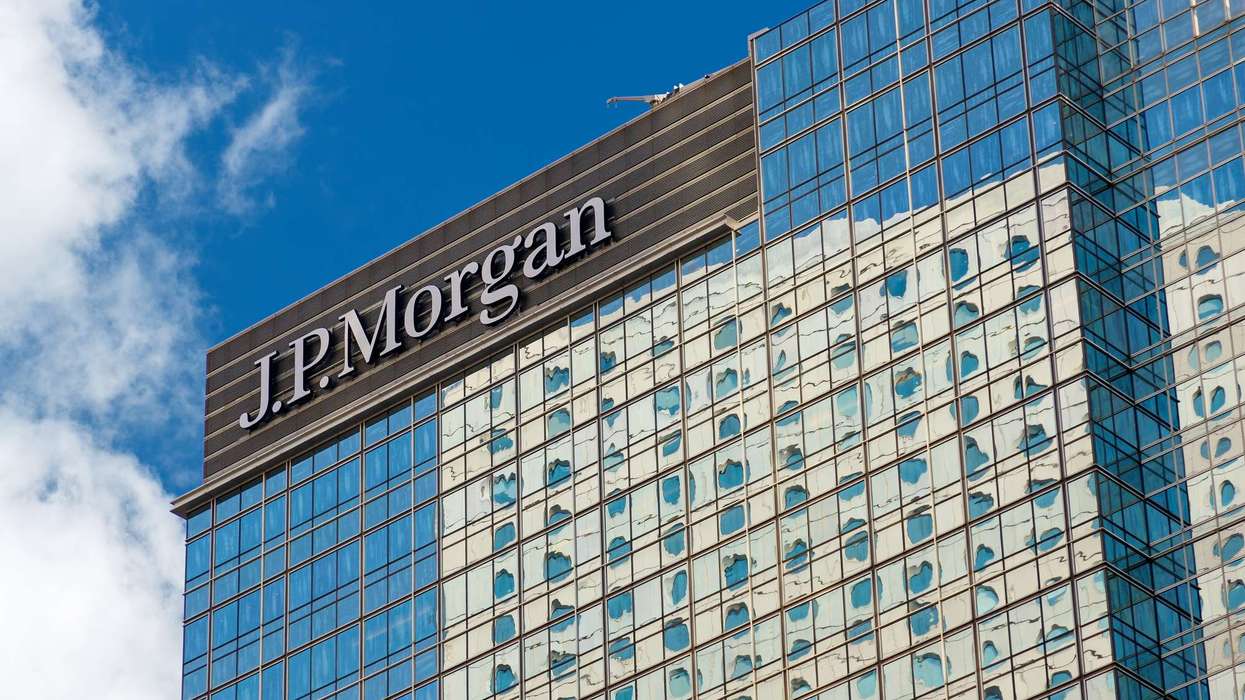

- JPMorgan says it could rethink its London skyscraper project if UK bank taxes rise further.
- Banking executives fear lenders may become targets for higher levies amid political uncertainty in Westminster.
- UK banks already face one of the highest tax burdens among major financial centres, industry figures show.
Britain’s position as a global financial hub has again come under the spotlight after JPMorgan Chase warned it could walk away from plans for a new £3 billion London headquarters if taxes on banks increase further.
Jamie Dimon, the chief executive of the US banking giant, said the lender would “reconsider” the project if Britain became “hostile to banks again”, according to a news report. His comments have intensified concerns in the City that political uncertainty in Westminster could eventually lead to tougher tax measures on financial institutions.
The proposed skyscraper, planned for Canary Wharf, was unveiled in November and is expected to become one of the largest office buildings in Europe. The three million square foot development is designed to accommodate around 12,000 employees and has been presented by the bank as a major long-term investment in London’s financial district.
But behind the headline-grabbing project sits a growing debate over how far Britain can push taxes on banks without risking investment moving elsewhere.
Canary Wharf project tied to Britain’s business climate
JPMorgan announced the tower project shortly after Chancellor Rachel Reeves decided against raising taxes on lenders in her latest Budget following lobbying from the banking sector. At the time, the bank reportedly stated that the investment remained dependent on a “positive business environment” in the UK.
The Treasury had also previously discussed offering business rate relief of up to 100 per cent to support the development, according to reports.
Speaking in an interview with Bloomberg TV, Dimon reportedly said the concern was “not political instability” itself, but whether the government became “hostile to banks again”.
He also criticised the tax burden placed on lenders since the financial crisis, arguing banks had already paid billions in additional taxes over the years.
The comments come as speculation continues over the future direction of the Labour government if political pressures inside Westminster deepen. Banking executives are increasingly worried that lenders could become easy targets for fresh tax measures at a time when public finances remain under strain and households continue to deal with high living costs.
Banks argue UK taxes are already among the highest
The banking industry has long argued that lenders operating in Britain face significantly heavier taxes than competitors in other major financial centres.
After the 2007-09 financial crisis, the UK introduced a levy on banks’ balance sheets, followed later by an additional corporation tax surcharge specifically targeting lenders’ profits.
Industry group UK Finance estimates banks in Britain faced a total tax rate of 46.4 per cent last year. That compares with 27.9 per cent in New York and 38.9 per cent in Frankfurt.
CS Venkatakrishnan, the chief executive of Barclays, reportedly said last month that banks in the UK are taxed more heavily than in other major jurisdictions.
Analysts at Jefferies have also suggested an increase in the bank surcharge now appears “more likely than not”, adding to concerns inside the sector that lenders may face renewed pressure as governments search for additional revenue sources.
The debate arrives at a sensitive moment for the UK economy. Britain is trying to retain its appeal as an international financial centre while also facing growing pressure to raise public funds amid rising geopolitical tensions and persistent inflationary pressures linked to the conflict involving Iran.
For now, JPMorgan has not confirmed any change to the Canary Wharf project. But Dimon’s remarks have added another layer of uncertainty around one of the biggest office developments planned for London in recent years.