
- The UK government is expected to announce full British Steel nationalisation in the king’s speech.
- British Steel’s Scunthorpe plant operates the country’s last remaining blast furnaces.
- Rising losses, Chinese ownership tensions and fears over industrial security pushed the government towards intervention.
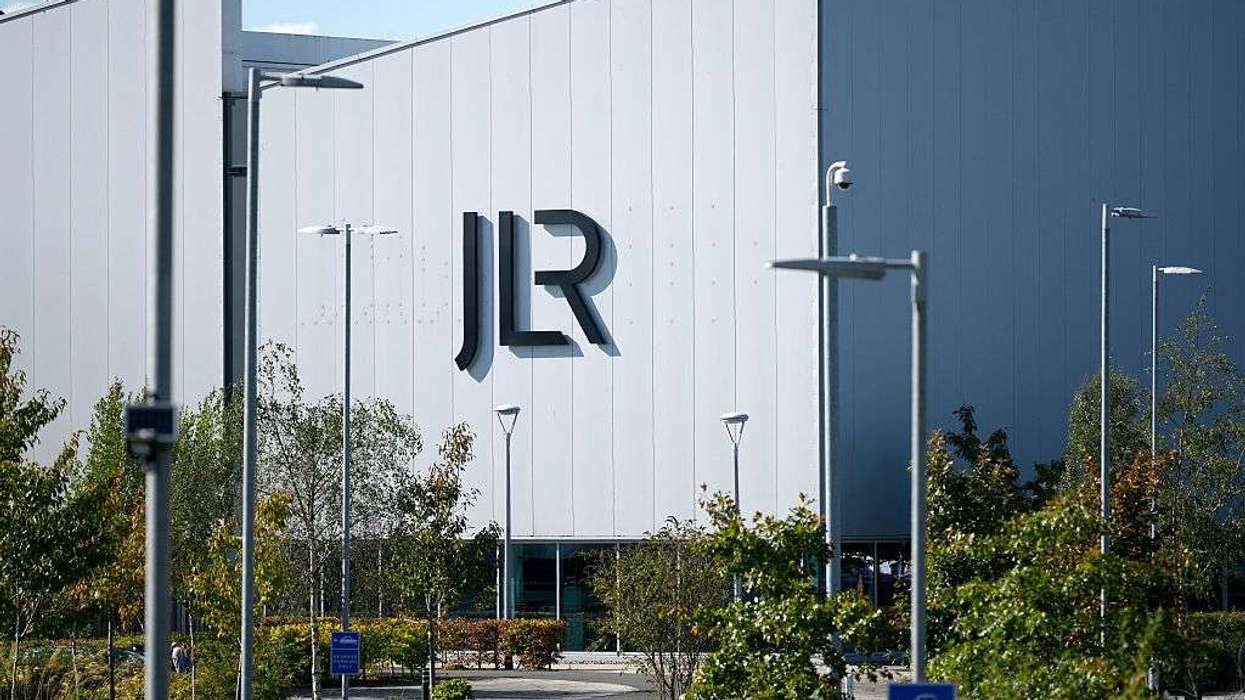
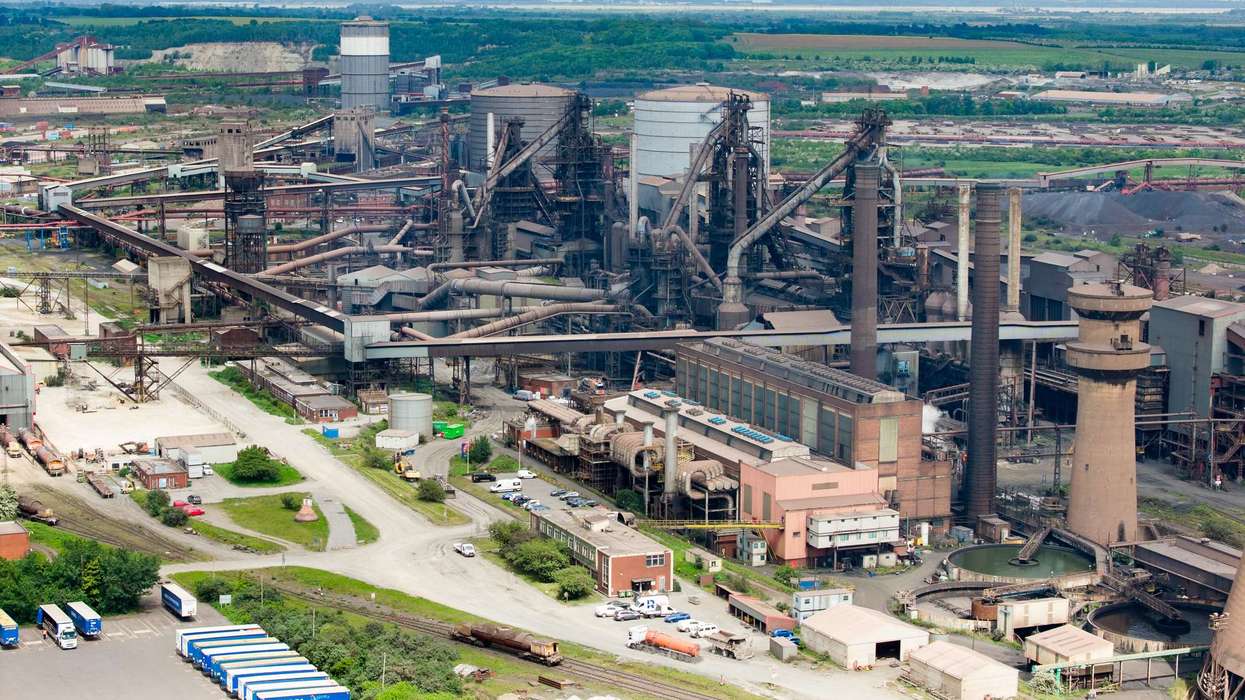
For decades, the giant blast furnaces towering over Scunthorpe stood as symbols of Britain’s industrial strength. Now, they are becoming symbols of something else entirely — the struggle to keep the country’s steel industry alive in a rapidly changing global economy.
The UK government is expected to formally move towards full nationalisation of British Steel in the upcoming king’s speech, marking another dramatic turn in the long and turbulent history of one of Britain’s most politically sensitive industrial businesses.
The move would come more than a year after ministers stepped in to take operational control of the company from its Chinese owner, Jingye Group, amid fears the company planned to shut down the Scunthorpe site entirely.
At the centre of the crisis are British Steel’s last two working blast furnaces — massive industrial structures capable of producing steel from raw iron ore rather than recycled scrap. Their closure would effectively end Britain’s ability to produce “primary steel”, something ministers increasingly view as strategically important amid global geopolitical tensions and supply chain uncertainty.
From industrial giant to financial burden
British Steel’s story stretches back more than a century. Iron ore was first discovered in Scunthorpe in 1859, helping Britain become one of the world’s largest steel producers during the industrial era.
The company itself has repeatedly moved between public and private ownership over the decades. It was nationalised in 1967 under Harold Wilson’s Labour government before later being privatised under Margaret Thatcher in the late 1980s.
But Britain’s steel industry steadily weakened as cheaper imports flooded global markets, particularly from China. Rising energy costs, ageing infrastructure and shrinking profitability placed increasing pressure on domestic producers.
Ownership of the Scunthorpe works eventually passed through several hands, including Tata Steel and private equity firm Greybull Capital, before Jingye acquired the business out of insolvency in March 2020.
Jingye initially proposed building electric arc furnaces in Scunthorpe and Teesside as part of a greener transition strategy. However, negotiations with the government over state support reportedly collapsed, and the company later moved towards shutting the blast furnaces down in April 2025.
That decision triggered alarm inside government, particularly because thousands of jobs were at risk and Britain faced losing domestic virgin steel production entirely.
By April 2025, Parliament was recalled for a rare Saturday sitting to rush through emergency legislation allowing the government to take operational control of the plant.
Even then, Jingye technically remained the economic owner of British Steel, leaving the government in an unusual position — running the company without fully owning it.
Why steel suddenly matters again
The push towards full nationalisation is not only about jobs in Scunthorpe. It also reflects a broader shift in how governments across Europe are thinking about industrial security.
Prime Minister Keir Starmer reportedly said, “Strong nations in a world like this need to make steel,” while defending intervention plans.
The steel sector may be far smaller than it was during its peak in the 1970s, but British Steel still supports thousands of direct and indirect jobs across supply chains, transport networks and manufacturing industries.
Network Rail reportedly sources around 95 per cent of its railway track from the Scunthorpe plant, underlining how deeply connected the facility remains to national infrastructure.
The government also appears increasingly concerned about dependence on imported steel at a time when trade tensions, wars and geopolitical rivalry are reshaping global supply chains.
At the same time, however, the financial burden is growing rapidly.
According to estimates from the National Audit Office, the cost of keeping British Steel operational had already reached around £377 million by the end of January this year. If losses continue at the current pace, the total bill could reportedly exceed £1.5 billion by 2028.
The ageing blast furnaces themselves are another problem. Two of the current furnaces date back to 1938, while the other pair were built in the 1950s. Although repeatedly upgraded, industry experts reportedly believe the remaining operational furnaces are approaching the end of their working life.
The next battle may be over who owns it after nationalisation
While nationalisation may secure the plant temporarily, it does not fully solve the long-term question of how British Steel survives financially.
Several investors have already expressed interest in acquiring parts of the business. Miami-based investor Michael Flacks reportedly described himself as “very” interested earlier this year. Czech-owned Sev.en Global Investments has also suggested combining British Steel with Speciality Steel UK to create a larger domestic steel producer.
Business Secretary Peter Kyle has reportedly backed a shift towards cleaner electric arc furnaces, which melt recycled scrap steel instead of relying on traditional blast furnace production.
However, that transition would likely require hundreds of millions of pounds in further government subsidies and could still threaten jobs during the shift away from older technology.
The situation also remains diplomatically sensitive. Jingye is expected to seek compensation if the government fully takes over the company. Reports suggest ministers rejected a £100 million proposal from the Chinese owner, arguing the business itself may now be worth significantly less.
An independent valuation process may ultimately determine whether compensation is paid.
For now, British Steel’s future sits at the intersection of politics, national security, industrial strategy and economics. The furnaces in Scunthorpe are no longer just industrial machines. They have become part of a much bigger argument over whether Britain still wants — or can afford — to remain a steel-making nation.