
Skip to content
Search

Latest Stories

Submit Guest Post

Starmer announces plan for public ownership of British Steel

“Legislation will be brought forward this week to give the government powers... to take full public ownership of British Steel,” Starmer said in a speech aimed at resetting his leadership after local election losses.

British Steel

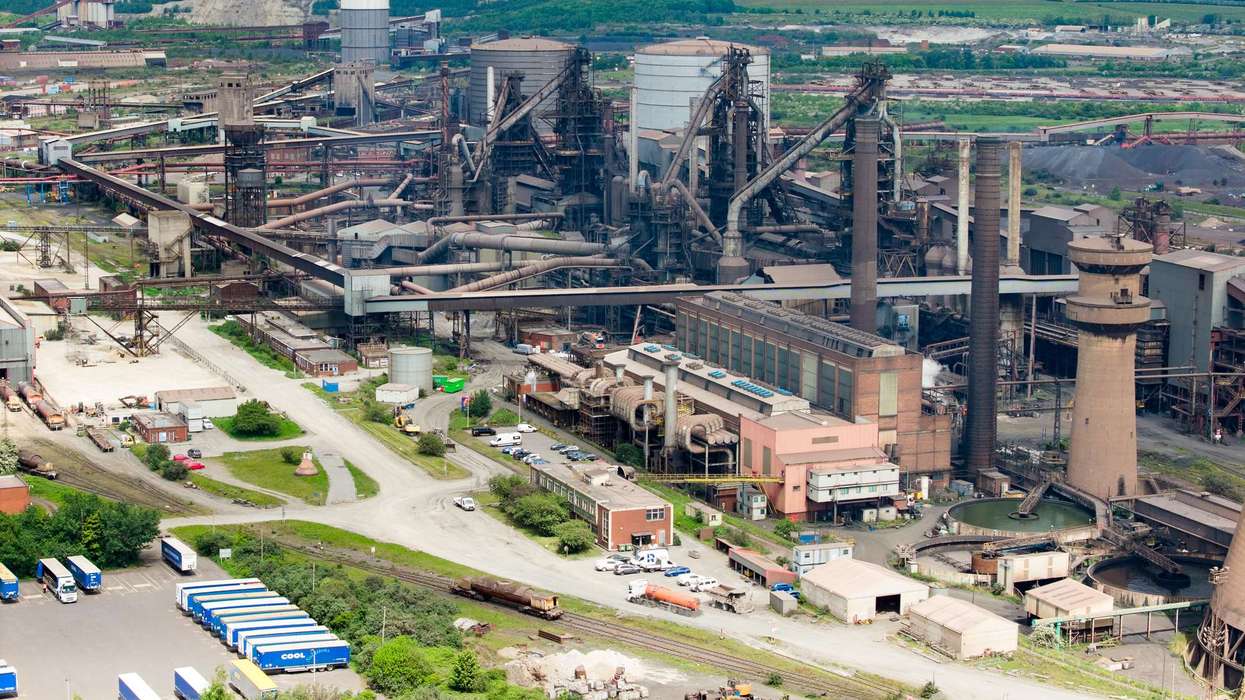
This aerial view shows the British Steel plant in Scunthorpe, north Lincolnshire in north east England on May 11, 2026.

Getty Images

Highlights

  • Government to introduce legislation for public ownership of British Steel
  • Move follows failed talks with Chinese owner Jingye
  • British Steel’s last blast furnace plant was at risk of closure last year
  • Nationalisation would be the first since 1988

PRIME MINISTER Keir Starmer said on Monday that the government would introduce legislation to nationalise Chinese-owned British Steel after taking control of the company last year.


“Legislation will be brought forward this week to give the government powers... to take full public ownership of British Steel,” Starmer said in a speech aimed at resetting his leadership after local election losses.

Britain’s last factory capable of making steel from raw materials faced closure last year after its Chinese owner, Jingye, said the plant was no longer financially viable.

After talks with the company failed, the UK government passed emergency legislation to stop the plant’s blast furnaces from shutting down.

Since then, “it has not been possible to agree a commercial sale with the current owner,” the government said in a statement on Monday.

“The government believes introducing legislation to provide a route to public ownership is the appropriate next step,” it said, adding that the move remained subject to a public interest test.

Nationalisation would return British Steel to government ownership for the first time since 1988.

The government has viewed the possible closure of the plant in northern England as a risk to Britain’s long-term economic security amid the decline of the UK steel industry.

(With inputs from agencies)

Add EasternEye As Your Trusted Source
preferred source on google news

More For You

Electric vehicles

Indian carmakers are preparing for a UK EV opportunity that remains several years away

Getty Images

Maruti, Tata and Mahindra target Britain's EV market after UK trade deal

  • Duty-free exports of Indian EVs to the UK begin only from 2031.
  • Annual quota starts at 17,600 vehicles before rising to 88,000 units.
  • Maruti, Tata and Mahindra are all positioning themselves for the opportunity.

Indian electric vehicle exports to the UK have emerged as one of the most closely watched opportunities under the new India-UK trade deal, but the biggest benefit may still be years away.

The India-UK Comprehensive Economic and Trade Agreement (CETA), which comes into force on July 15, gives Indian-made electric vehicles, hybrids and hydrogen-powered passenger cars a pathway to duty-free access to the UK market. However, the zero-duty benefit does not begin immediately. Instead, it becomes available only from the sixth year of the agreement, meaning the earliest qualifying vehicles could enter the UK duty-free in 2031.

Keep ReadingShow less