
- Saudi Aramco and Shell say around one billion barrels of oil supply have been lost.
- Shipping through the Strait of Hormuz has plunged since the Iran war began.
- Analysts warn prolonged disruption could trigger wider fuel shortages globally.
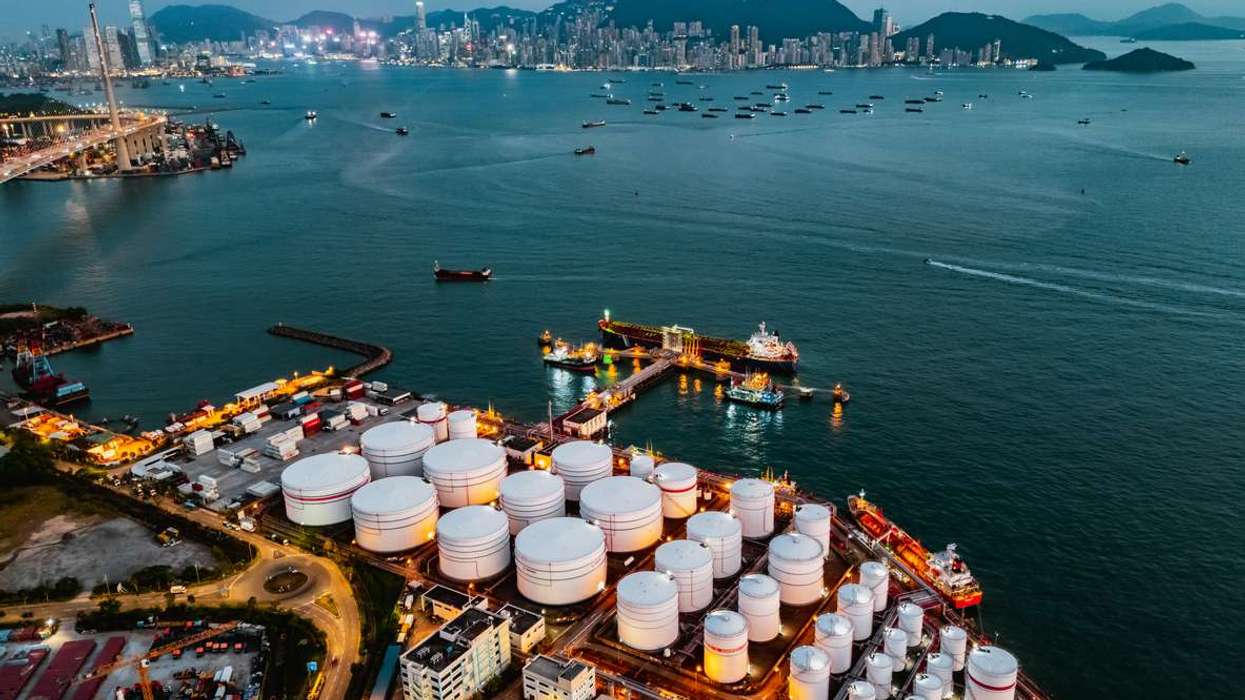
The global oil market is facing the prospect of a prolonged supply crisis as disruption in the Strait of Hormuz continues to choke one of the world’s most important energy routes. Saudi Aramco and Shell have both warned that unless shipping through the narrow waterway resumes soon, pressure on global fuel supplies could stretch well into 2027.
The Strait of Hormuz crisis, triggered by the ongoing Iran war and the US-led blockade around Iranian waters, has already removed an estimated one billion barrels of oil from global markets over the past two months, according to executives from the world’s biggest oil companies. The warning is likely to deepen concerns over rising oil prices, fuel shortages and further instability across global energy markets.
Oil market strain deepens as shipping slows
Amin Nasser, chief executive of Saudi Aramco, reportedly said during the company’s first-quarter earnings call that even if shipping through the Strait of Hormuz resumes immediately, the oil market would still need months to recover. As quoted in a news report, he said a longer disruption could delay market stabilisation until 2027.
The company reported a 25 per cent rise in first-quarter profits to £26.7 billion ($33.6 billion), helped by higher crude prices and stronger sales volumes across oil, fuel and chemicals. Nasser reportedly said Saudi Aramco had managed to redirect part of its exports through its east-west pipeline towards the Red Sea, allowing some shipments to bypass the strait entirely.
However, analysts say the wider market remains under pressure. Existing fuel stockpiles are helping prevent immediate shortages, but traders and shipping companies are increasingly worried about what happens if the disruption drags on for several more weeks.
Similar concerns were raised by Shell chief executive Wael Sawan, who also warned of a supply gap of roughly one billion barrels.
The Strait of Hormuz normally handles around 20 per cent of the world’s oil exports. Since the conflict escalated in late February, shipping traffic through the route has reportedly dropped by nearly 94 per cent, according to analysis from Bank of America Institute.
Tankers stranded as tensions refuse to ease
The uneasy ceasefire between Iran and the US has done little to restore confidence in the region. Roughly 2,000 vessels and around 20,000 seafarers are still believed to be trapped around the strait as military tensions continue.
Over the past week, Iranian and US forces have reportedly engaged in several confrontations near the shipping corridor. While neither side has described the incidents as major escalations, insurers have continued attaching “high risk” premiums to vessels entering the area, making commercial shipping significantly more expensive.
A liquefied natural gas tanker from Qatar managed to pass through the strait on July 12 after talks involving Iranian, Pakistani and Qatari officials. It marked the first successful LNG shipment from Qatar since the war began.
Meanwhile, regional tensions remain volatile. Iran’s state media reported that Tehran had submitted a response to a US proposal aimed at ending the conflict, although no details were disclosed publicly. At the same time, President Donald Trump has continued issuing warnings over Iran’s nuclear programme and threatened renewed military action if a deal is not reached.
The conflict has also spilled further into commercial shipping lanes. The United Kingdom Maritime Trade Operations Centre said a bulk carrier caught fire off the coast of Qatar after being struck by an unidentified projectile. No casualties were reported.
Iran’s Islamic Revolutionary Guard Corps has meanwhile warned that attacks on Iranian commercial vessels would trigger retaliation against US military assets and allied ships in the region.
Despite claims from Trump that a deal with Iran could be close, oil prices remain elevated, with Brent crude trading above £79 ($100) a barrel. Saudi Arabia, alongside the United Arab Emirates, Iraq and Kuwait, is also reportedly deepening output cuts, adding further pressure to already strained markets.