
Highlights
- Britain's decision to cut tariff-free steel quotas by 60 per cent was not factored in when the deal was struck
- India exports £700m worth of steel to the UK each year, with gains from the deal now at risk
- As many as 99 per cent of Indian exports would enter Britain duty-free under the deal
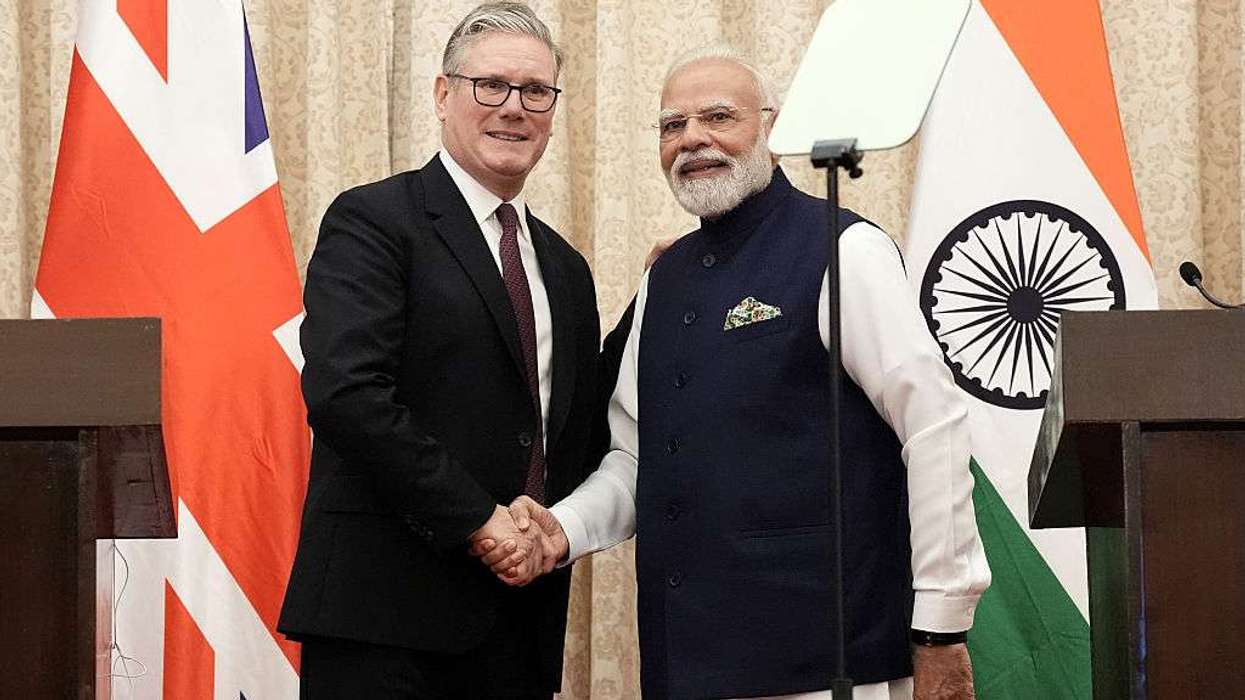
THE free trade deal between India and Britain has been delayed because of new UK rules on steel imports, India's trade secretary has said.
Rajesh Agrawal told reporters on Friday (15) that the two sides were close to putting the agreement into effect, but that one issue remained unresolved.
"We are very near to operationalising that. There are a few sticking points, as you are aware," he said, adding that both countries were working to find "a unique, creative solution."
The deal, known as the Comprehensive Economic and Trade Agreement, or CETA, was signed in July last year. Under its terms, 99 per cent of Indian exports would enter Britain without tariffs, while India would lower taxes on British goods such as cars and whisky. Both governments had hoped to bring the agreement into force by May.
The hold-up centres on new British steel import rules set to take effect from July 1. Under the new regime, the volume of steel that can enter the UK without paying a tariff will be cut by 60 per cent. Any steel imported beyond that limit will face a 50 per cent tariff.
The rules were not in place when the two countries were negotiating the deal.
'Commercial gains may reduce'
India exports around £700 million worth of iron, steel and related products to Britain each year, out of total merchandise exports of around £10.5 billion. The new quotas could reduce the commercial gains Indian steel makers had expected from the agreement.
Agrawal said discussions were ongoing. "We are working together to find a creative solution around the steel measure and operationalise the agreement at an early date," he said.
Trade thinktank GTRI warned that Britain appeared to be following a similar path to the European Union, which has its own protectionist steel policies. "Such policies significantly reduce the real commercial value of FTAs," said GTRI founder Ajay Srivastava.
Before the deal can take effect, both governments must agree on a start date. Britain's Parliament approved the agreement in March. In India, trade deals are approved by the Union Cabinet.
The two countries have set a goal of doubling bilateral trade from its current level of around £44bn by 2030.
(with inputs from agencies)