
Highlights
- Trump urges Taiwan not to seek formal separation.
- Major weapons sale decision awaited by Taipei.
- Beijing warns Taiwan issue could trigger conflict.
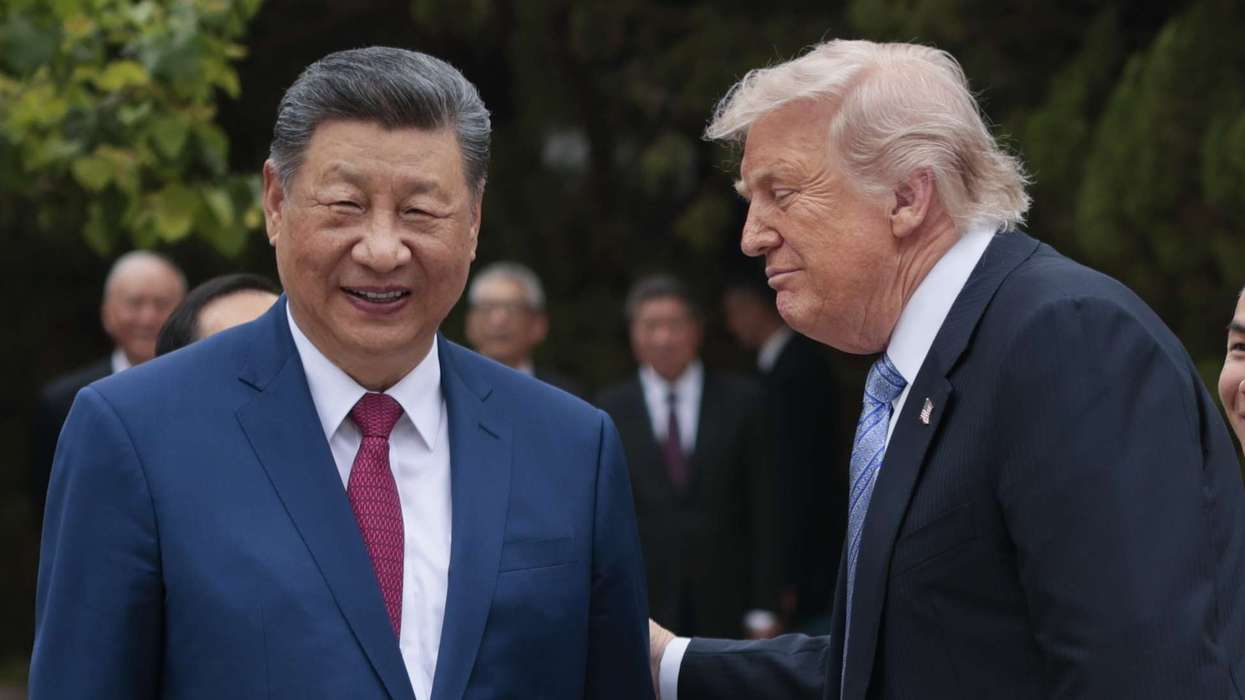
The US president made his views clear during a Fox News interview after the two-day summit ended on Friday.
He said America should not be expected to travel thousands of miles for a potential war and emphasised his desire for reduced tensions between Beijing and Taipei.
Trump revealed he had extensive conversations with Xi about Taiwan but refused to specify whether Washington would defend the island militarily.
He noted that Xi holds strong feelings about Taiwan and opposes any independence movement there.
Arms package pending
The future of an $11 billion weapons deal for Taiwan remains uncertain following the summit discussions. Trump announced this package last year, covering advanced rocket systems and multiple missile types.
He told reporters the sale was debated thoroughly with Xi and a final decision would come soon.
Taiwanese officials responded swiftly to Trump's remarks. deputy foreign minister Chen Ming-chi said on Saturday that arms sales are legally guaranteed under US statutes and form a foundation for regional stability.
Officials in Taipei described these weapons as crucial security assurances from Washington.
Xi warned Trump that Taiwan represents the single most critical matter in relations between their countries.
The Chinese president said poor handling of this issue could push both nations towards confrontation or military conflict.
Beijing views Taiwan as Chinese territory and maintains the option of forceful reunification.
China has ramped up military activities around Taiwan recently, conducting frequent exercises that test American commitments to the island. Beijing particularly dislikes president Lai Ching-te, whom it labels a troublemaker seeking separation.
President Lai has stated Taiwan already functions as an independent nation and needs no formal declaration.
Most people in Taiwan support the existing arrangement where the island neither declares independence nor joins mainland China.
Trump suggested he might telephone Taiwan's leader directly, breaking traditional US practice. Such contact would likely anger Beijing significantly.
Washington officially opposes Taiwanese independence while maintaining unofficial relations with Taipei. US law mandates providing Taiwan with defensive capabilities despite having no formal diplomatic ties.
Foreign minister Lin Chia-lung confirmed Taiwan tracked the summit closely and kept communication channels open with American counterparts to protect national interests.