
Highlights
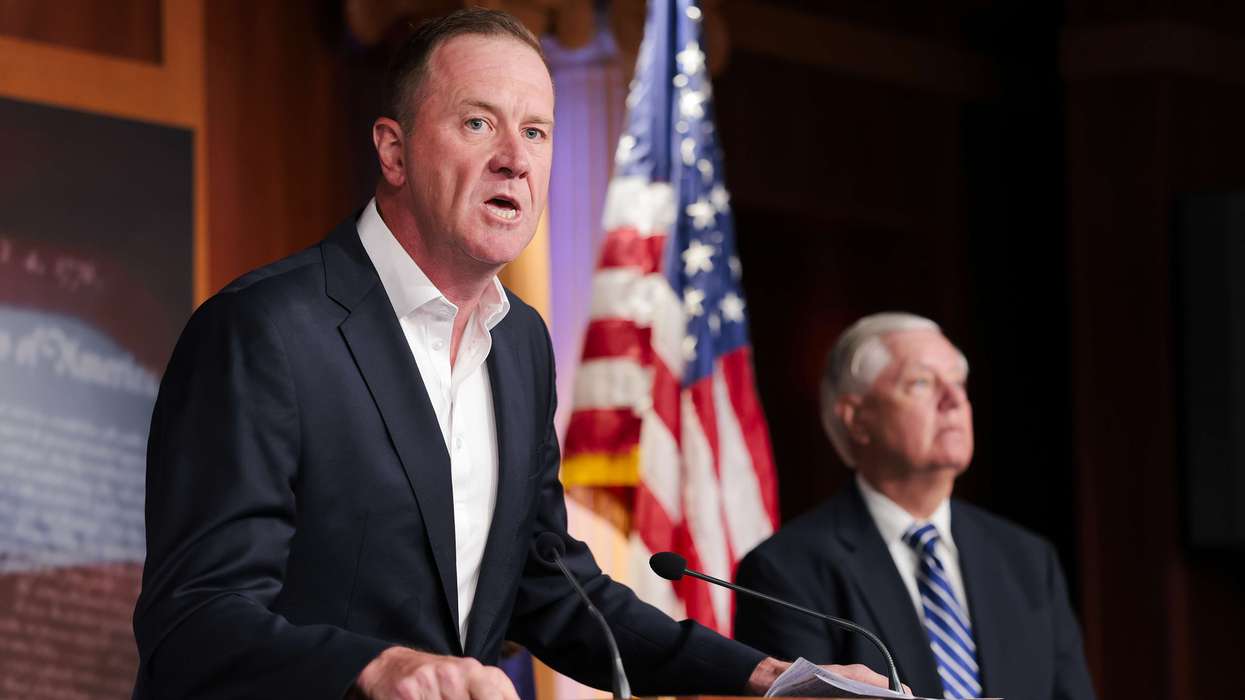
- Senator Schmitt called H-1B and related visa programmes a "Visa Cartel".
- He shared an image of Hyderabad's Chilkur Balaji Temple in his posts.
- India accounts for 70 to 80 per cent of all H-1B approvals annually.
Schmitt also alleged that foreign students, nearly half of whom he said are Indian nationals, receive taxpayer-subsidised work permits while corporations avoid payroll taxes and standard wage protections.
"They flow into H-1B, then green cards, while US grads with debt compete against cheaper labour," he added.
He went further, claiming without citing any evidence that Indian visa holders share confidential interview questions among themselves.
He then levelled his sharpest charge at the technology sector: "Big Tech quietly locks out Americans by routing jobs through these pipelines. Merit is now replaced by ethnic favoritism," he said.
Temple post draws attention
This was one post in particular that drew the sharpest reaction. Schmitt shared an image of the Chilkur Balaji Temple in Hyderabad, widely known among locals as the "Visa Temple," and wove it into his broader argument.
"The Visa Cartel has its own Visa Temple in Hyderabad, which sees thousands of Indians circling altars and getting passports blessed for US work visas.
American workers shouldn't have to compete against a system this gamed," he wrote.
The Chilkur Balaji Temple has for decades been a familiar landmark for Hyderabad's student and IT professional community.
It is common practice for visa applicants to visit the temple before consulate interviews or before leaving for the United States, seeking what devotees consider divine support for their applications.
His remarks come against a well-established backdrop. India accounts for roughly 70 to 80 per cent of all H-1B visa approvals every year, far ahead of China at around 12 per cent.
The H-1B programme has long been contested in the US, with critics saying it undercuts domestic workers and supporters arguing it fills vital skill gaps in the American economy.