
- Jaguar Land Rover’s annual profit fell from £2.5 billion to just £14 million.
- The company says US tariffs and a major cyber-attack severely disrupted production and sales.
- Revenues dropped more than 20 per cent as the carmaker struggled with weaker demand in the US and China.
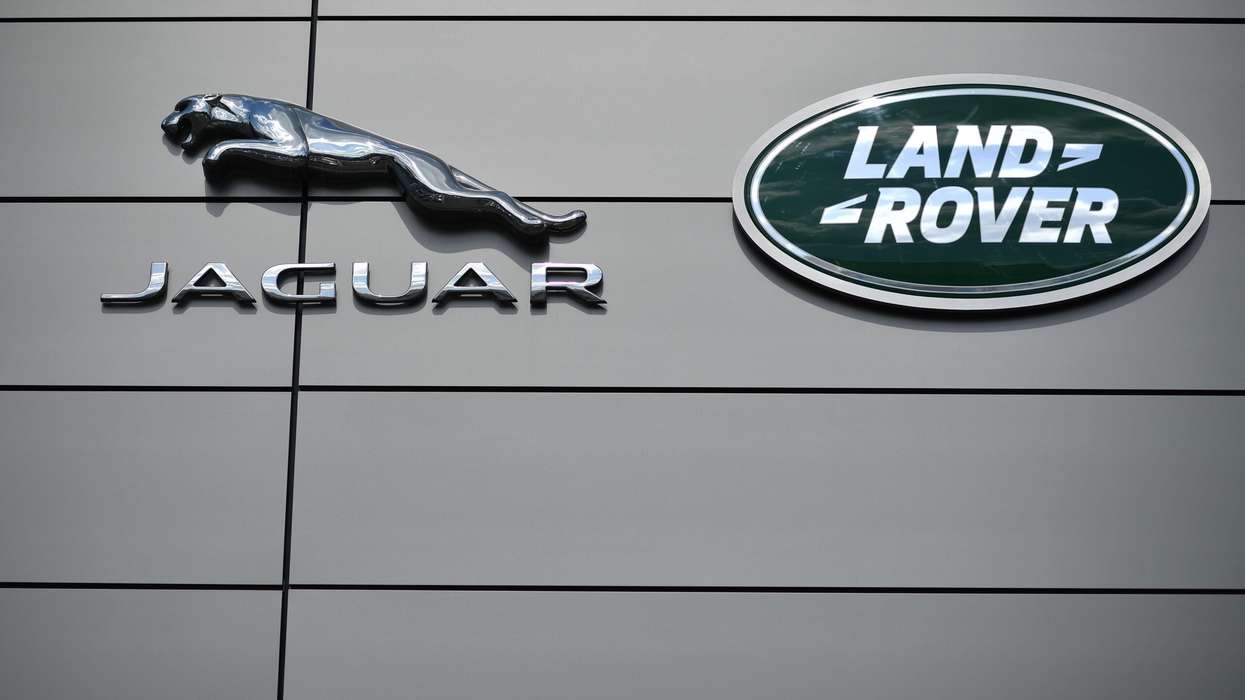
Jaguar Land Rover saw its annual profit collapse by more than 99 per cent after a difficult year marked by US tariffs, factory disruption and a damaging cyber-attack that shut down operations for weeks.
Britain’s largest carmaker reported profit before tax and exceptional items of just £14 million for the year ending March 2026, down sharply from £2.5 billion the previous year.
The company, which employs around 33,000 people across the UK, said revenues also fell heavily to £22.9 billion, a drop of more than one-fifth compared with the previous financial year.
The steep decline reflects mounting pressure facing global carmakers as geopolitical tensions, cyber threats and slowing electric vehicle demand continue disrupting the industry.
Jaguar Land Rover’s problems intensified after US President Donald Trump imposed tariffs on imported vehicles, raising duties to 25 per cent before later agreeing a reduced 10 per cent rate for British manufacturers.
The US remains one of Jaguar Land Rover’s most important export markets, particularly for its luxury Range Rover and Defender models.
Cyber-attack brought factories and systems to a halt
The financial strain deepened further after a major cyber-attack on August 31 forced Jaguar Land Rover to shut down most of its systems and factories.
While the immediate disruption lasted weeks, the operational impact reportedly continued through much of the autumn as production schedules and supply chains struggled to recover.
The company said the combined effect of tariffs and halted production significantly damaged sales momentum during the year.
At the same time, Jaguar Land Rover also faced growing competitive pressure in China, where domestic manufacturers have been rapidly launching new vehicles and aggressively targeting market share.
PB Balaji, who became chief executive only weeks after the cyber incident, reportedly described the year as “challenging” because of multiple pressures affecting revenue and profitability.
He reportedly said the company had recovered more strongly during the fourth quarter as factory operations gradually returned to normal levels.
Electric vehicle plans remain under pressure
The difficult year has also highlighted the wider uncertainty surrounding the shift towards electric vehicles.
Jaguar Land Rover confirmed its delayed Range Rover Electric model is now expected to launch before March 2027. The vehicle had originally been planned for release in 2025 but was postponed amid weaker-than-expected consumer demand for electric cars.
The company also said it plans to unveil smaller electric SUVs and a new Jaguar electric model called the Type 01.
Jaguar Land Rover currently manufactures Range Rover and future Jaguar electric vehicles in Solihull in the West Midlands, while smaller SUV models including the Discovery Sport are produced in Halewood on Merseyside.
The combination of cyber recovery costs and investment into new vehicle programmes also placed heavy pressure on cash reserves.
The company said it burned through around £2.2 billion in cash during the year. Despite that, Jaguar Land Rover insisted it remained financially resilient, with access to around £6.9 billion in available liquidity.
The company reportedly said it remained “well placed” to manage the geopolitical, inflationary and regulatory challenges affecting the global automotive industry.
Still, the scale of the profit collapse underlines how quickly external shocks — from trade disputes to cyber-attacks — are reshaping the risks facing major manufacturers operating in increasingly volatile global markets.