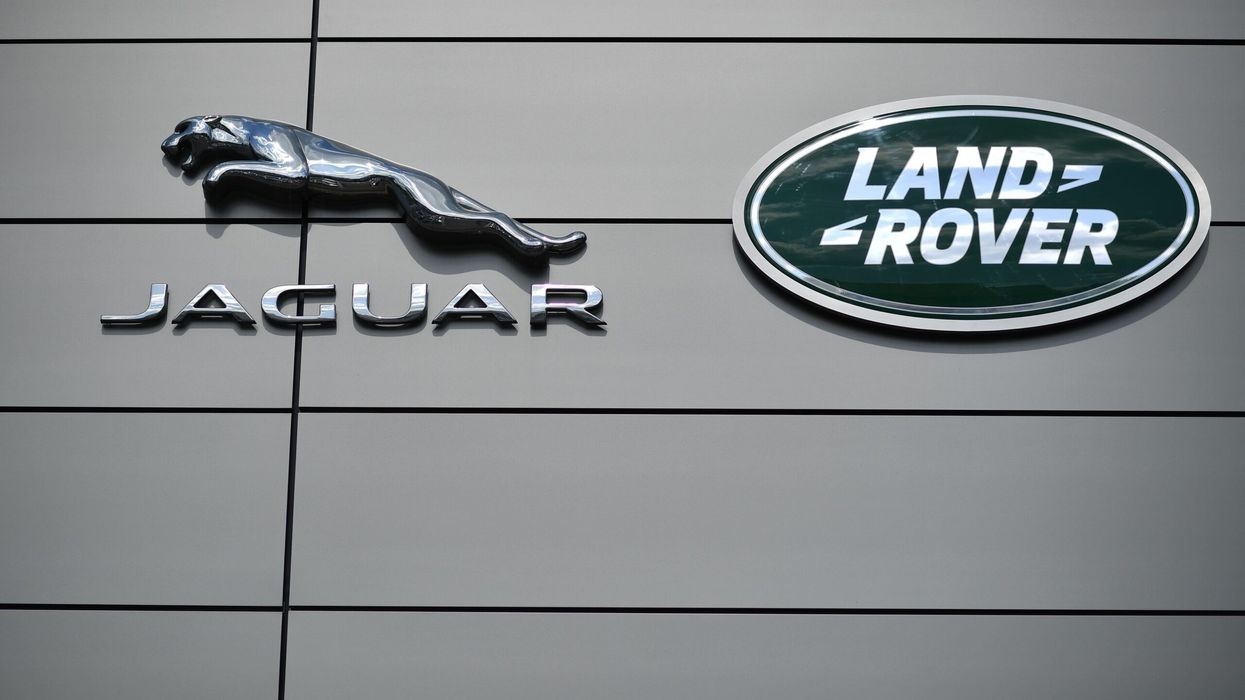

JAGUAR LAND ROVER (JLR) has delayed the launch of its new electric Range Rover and electric Jaguar models, citing the need for further testing and to allow market demand to grow.
Customers waiting for the Range Rover Electric have been informed that deliveries will now begin next year, instead of the previously planned late 2025. Two sources told The Guardian that the launches of two Jaguar electric models may also be delayed by several months.
JLR recently reported a 15.1 per cent drop in quarterly sales after a pause in exports to the US due to Donald Trump’s tariffs. A voluntary redundancy scheme for up to 500 managers has also been introduced to cut costs.
Despite this, JLR has recorded 10 consecutive quarters of profit and expects a sales boost following a UK-US trade deal that reduced tariffs on the first 100,000 exports to 10 per cent.
JLR, owned by Tata, had been under pressure to meet UK electric vehicle targets, but that eased after the government weakened the zero emission vehicle mandate.
A JLR spokesperson said: “By 2030 JLR will sell electric versions of all its luxury brands... we will launch our new models at the right time for our clients, our business and individual markets.”
Sources told The Guardian the delays stem from extended testing of models being directly built by JLR for the first time. The first rebranded electric Jaguar, the Type 00, is set for production in August 2026, with a second model likely in December 2027. The Range Rover Velar EV could begin production in April 2026, and an electric Defender sub-brand model in early 2027.
Tata’s Agratas battery factory in Somerset is now expected to begin production in late 2027, a year later than originally planned.