
INDIA has boosted its import tariffs on gold and silver in an effort to shore up the sagging value of the rupee and bolster foreign currency reserves hit by war in the Middle East.
Gold imports are financed through dollars, which means buyers have to spend down foreign reserves or convert rupees to make purchases.
Prime minister Narendra Modi had already appealed days ago to the public to avoid buying gold for a year as the rupee's year-long slide against the dollar has worsened during the Iran war.
The government more than doubled import taxes on gold and silver to about 15 per cent from the existing 6 per cent, according to two official orders issued on Tuesday (12).
The energy supply crisis caused by the Mideast war's closure of the Strait of Hormuz -- through which a fifth of the world's crude passed -- has hit India hard.
India is the world's third-largest oil importer and the spiking cost of petroleum has hit its foreign currency reserves.
Elevated crude oil prices have increased India's import bill, putting additional strain on the country's balance of payments and foreign exchange reserves.
Modi on Sunday (10) urged the people of India to cut down on petrol and diesel consumption in response to the supply disruptions due to the Middle East war.
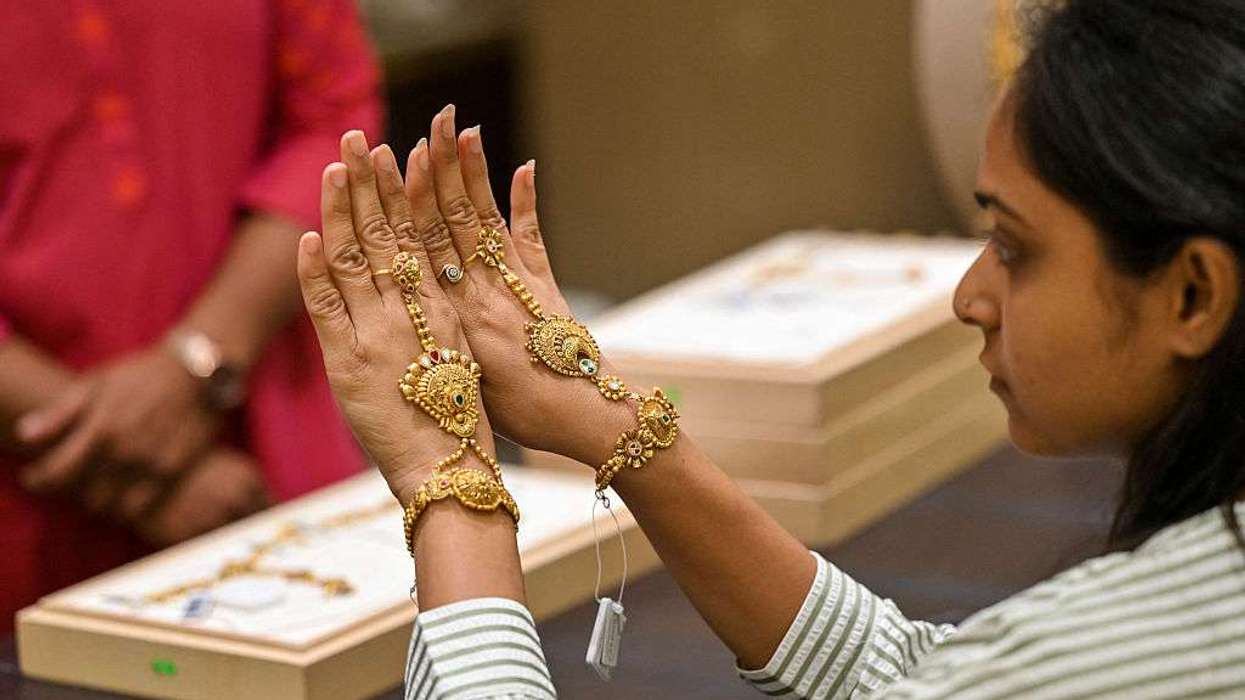
Gold, seen as a symbol of wealth and prosperity and widely used during weddings as well as festivals, ranks second among India's imports, after crude oil.
(AFP)