
LABOUR suffered losses across London in last week’s local elections, with the party left controlling nine of the capital’s 32 councils, down from 21 before May 7.
Its performance represented Labour’s worst set of local election results in the city since 1968, as the party lost control of long-held strongholds such as Hackney, Lewisham, Waltham Forest, Lambeth, Haringey, Southwark and Newham, some of which Labour had governed for more than half a century.
The Green Party and Reform UK both made historic breakthroughs, with the Greens winning 278 seats in the city and seizing outright control of Hackney and Lewisham, where the result ended 55 years of unbroken Labour control, after the Conservative administration concluded in 1971.
In Hackney, the Greens secured 42 of the council’s 57 seats, reducing Labour to just nine; the party also won its first ever directly elected mayors – Zoë Garbett in Hackney and Liam Shrivastava in Lewisham.
The Greens also took control of Waltham Forest from Labour.
In Lambeth, south London, the Greens became the largest party, with 29 seats to Labour’s 26, though they fell short of an outright majority. In Haringey, the Greens won 28 seats, wiping Labour out in key wards and leaving the council in no overall control.
The party also made substantial gains in Camden, Greenwich, Islington, Southwark and Newham, cementing its position as the main opposition force to Labour across large swathes of inner London.
Reform achieved a landmark result in Havering, winning full control of the east London borough in what the party described as its firstever London victory.
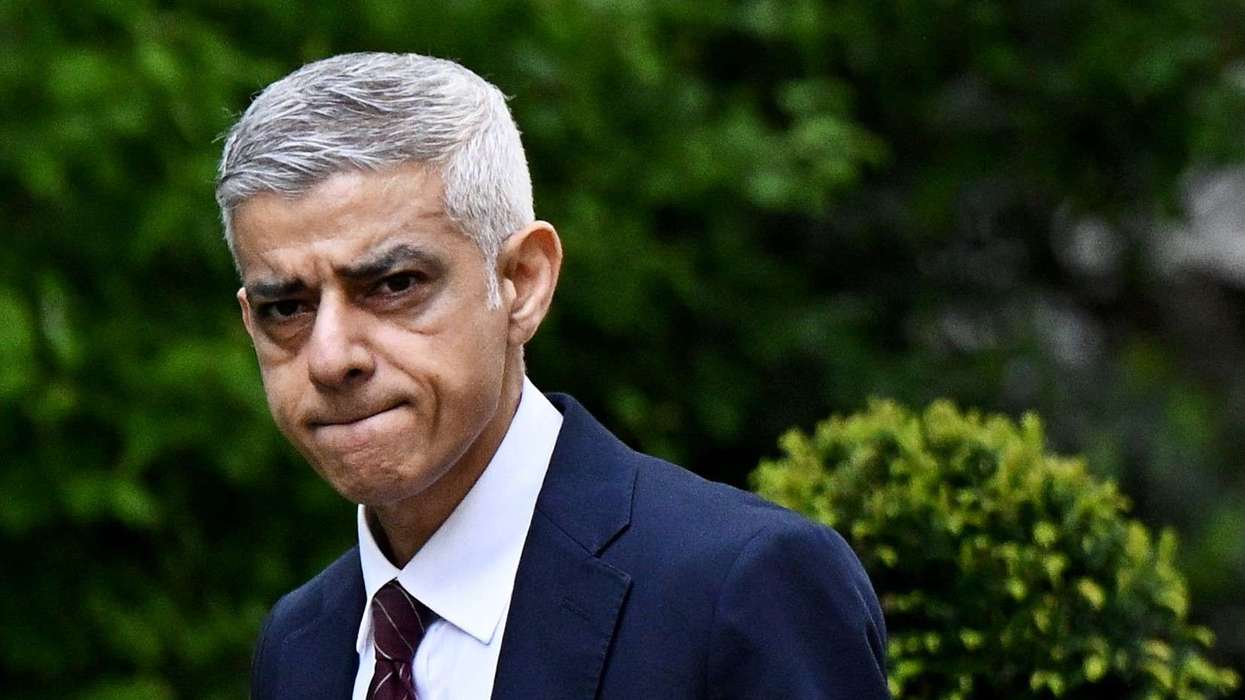
The scale of the London losses prompted a furious response from London mayor Sadiq Khan, who said he was “angry” and “heartbroken” at the outcome.
“Great Labour councils are no longer Labour councils. Great Labour councillors have lost their seats,” he said, adding that the results reflected deep disillusionment with the national government.
“I keep hearing anger, disillusionment and disappointment, and the direction of that anger is the Labour government. The promises made in July 2024 haven’t been delivered,” Khan said.
He stopped short of calling for a change of leadership, but said he wanted “a change in the direction of travel,” adding that government achievements had been “overshadowed by mistakes and mishaps.”
Labour did retain control of Barking and Dagenham, Camden, Ealing, Greenwich, Hammersmith and Fulham, Hounslow, Islington, Merton and Redbridge.
In Camden, which covers Sir Keir Starmer’s own constituency of Holborn and St Pancras, Labour held on despite losing 16 seats, with the Greens gaining 10.
More London councils are now in no overall control than at any point since the current structure of local government in the capital was established in 1964.
Nine boroughs are without a majority administration, eight of which – Barnet, Brent, Enfield, Haringey, Lambeth, Newham, Southwark and Wandsworth – were previously held by Labour. Croydon, which has been under no overall control since 2022, also remains without a majority.
In Wandsworth, Labour lost control after just one term, with the Tories winning the most seats on 29, one short of a majority, while Labour dropped to 28.
The Tories had limited cause for celebration in the capital, but did retake Westminster City Council from Labour, securing 32 seats to Labour’s 22. They also became the largest party in Wandsworth, and maintained their grip on Bexley, Bromley, Harrow, Hillingdon and Kensington and Chelsea.
The Liberal Democrats recorded their most emphatic result in Richmond upon Thames, winning all 54 available seats, becoming the first party to achieve such a clean sweep in any London borough. They also retained control of Kingston upon Thames with a commanding super-majority.

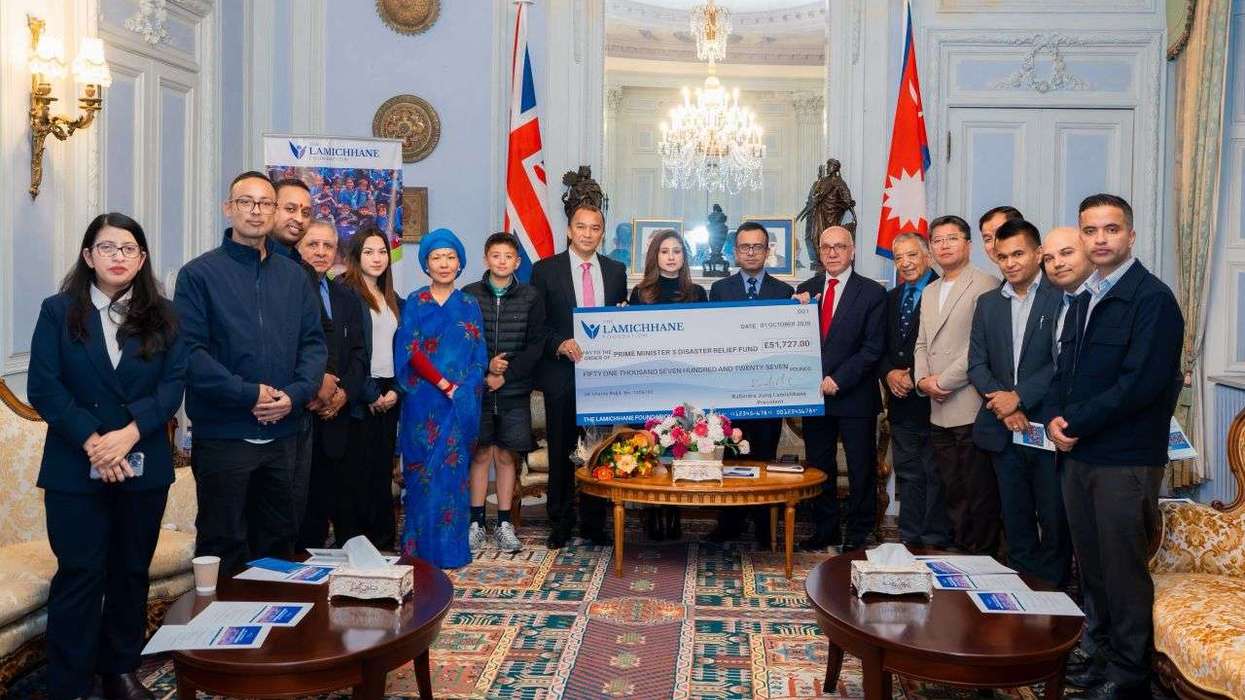
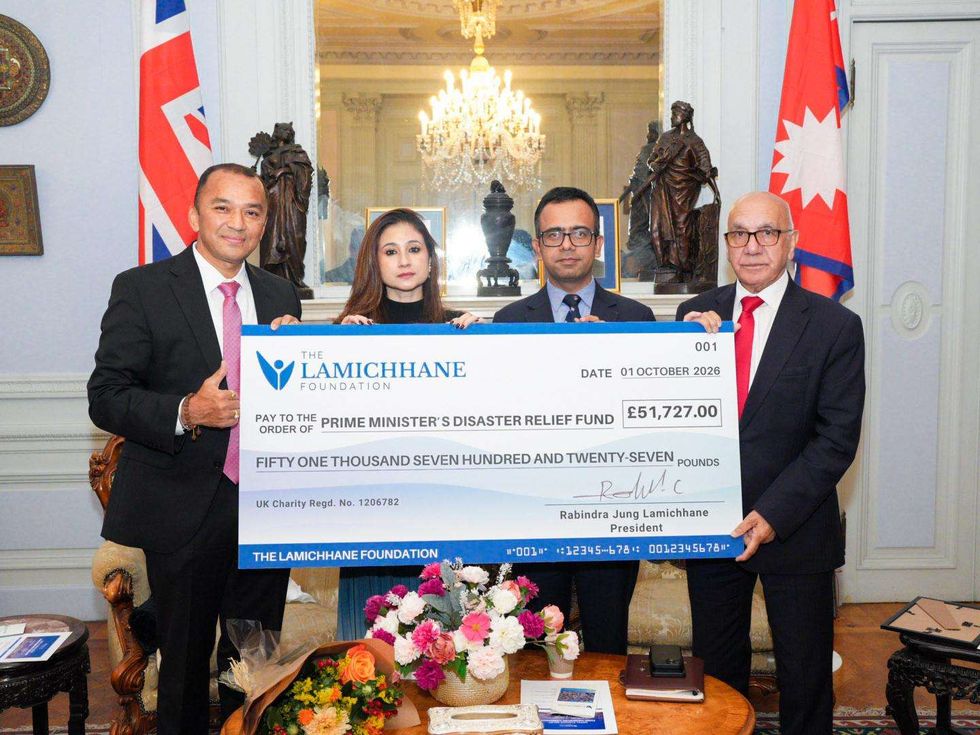 At a special ceremony at the embassy, Lamichhane presented the cheque to Bipin Duwadi, Chargé d'Affaires at the Nepalese EmbassyEastern Eye