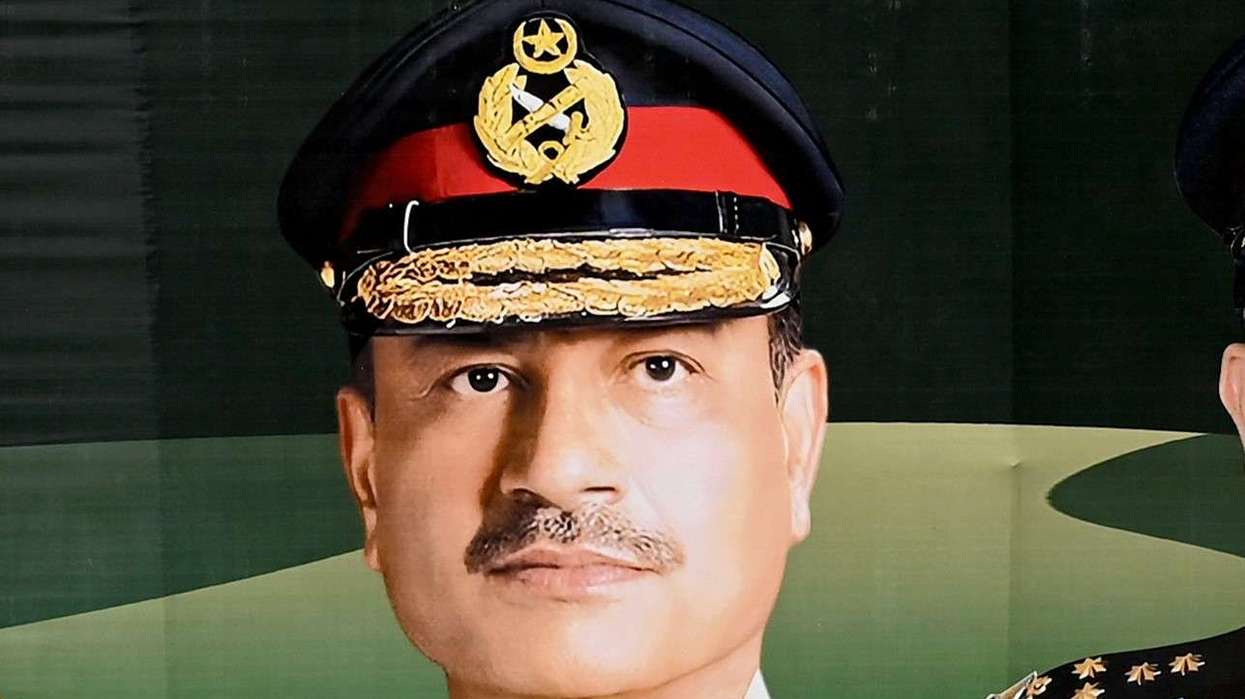

PAKISTAN's army chief has described last year's four-day conflict with India as a "battle between two ideologies" as the country marked the first anniversary of the fighting.
Field marshal Asim Munir made the remarks at a ceremony at General Headquarters in Rawalpindi on Sunday (10), held to commemorate what Pakistan calls "Marka-e-Haq", Arabic for "battle of truth", its name for the conflict with India in May last year.
Munir claimed Pakistan's strategy during the fighting was superior to India's, and said the country had struck 26 targets. He offered no evidence for either claim.
The conflict began after India launched Operation Sindoor on May 7 last year, carrying out airstrikes on nine sites in Pakistan and Pakistan Kashmir.
India said the strikes were in response to the Pahalgam terror attack, in which 26 people — mostly tourists — were killed, and that militant groups used the sites targeted. India says at least 100 militants were killed in the strikes.
Pakistan launched retaliatory strikes, most of which India said it intercepted. The fighting stopped on May 10, 2025, after military officials from both sides spoke directly.
'Countries continue to dispute key facts'
The two countries continue to dispute key facts about the conflict. Munir claimed on Sunday that India had sought a ceasefire through the US and that Pakistan agreed "in the interest of peace." India says the two sides reached the agreement to stop fighting directly, without outside involvement.
Munir also alleged that India had "violated the sovereignty and territory" of Pakistan and said Islamabad had responded "with full national unity and military force."
Looking ahead, he said future conflicts would span multiple domains and warned that Pakistan was preparing through investment in technology, training and weapons. He referred to new Hangor-class submarines, a rocket force and fighter aircraft as part of a military build-up.
"Our defence will remain impeccable. We want peace and will maintain it through credible deterrence," he said.
India, which also marked the anniversary of Operation Sindoor on Sunday, said its actions were aimed at responding to cross-border terrorism and reaffirmed its right to defend itself.
(PTI)




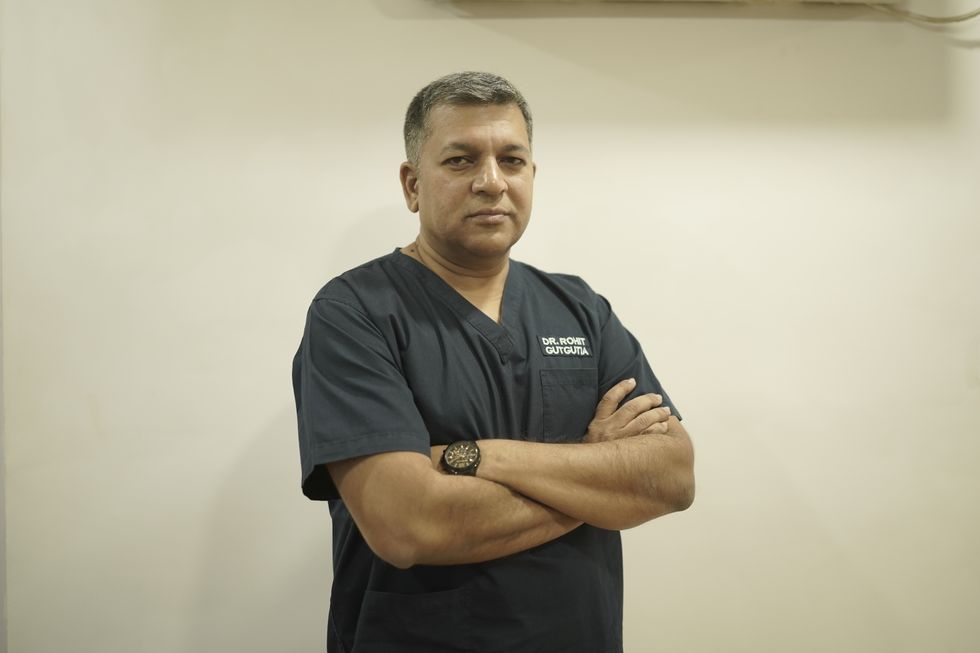 Dr Rohit Gutgutia is a fertility and IVF specialist with more than two decades of experience in reproductive medicine. He holds an MBBS and DGO in Gynaecology and Obstetrics and trained in advanced IVF in Israel in 2005.