
Highlights
- Modi says India remains “steadfast as ever” in its resolve against terrorism
- India and Pakistan marked one year since the 2025 conflict following the Pahalgam attack
- More than 70 people were killed during the four-day escalation
- Reports suggest India may be preparing a test-fire of the Agni-6 missile
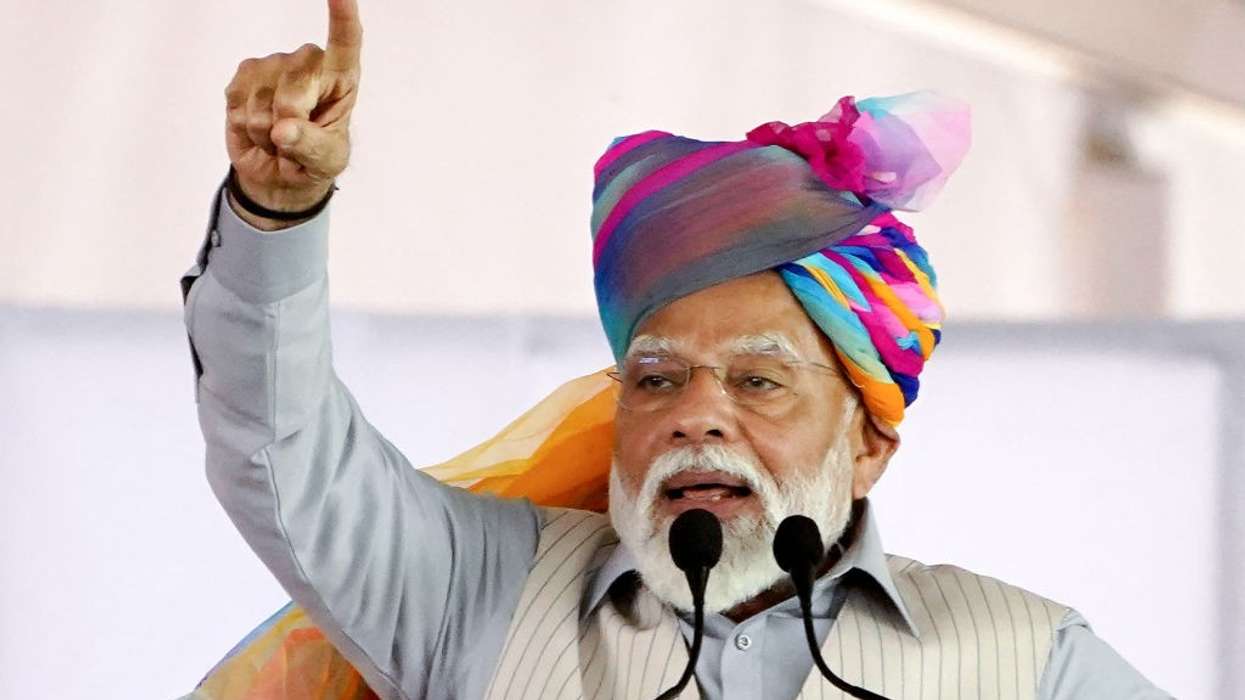
PRIME MINISTER Narendra Modi on Thursday said India remains “steadfast as ever” in its resolve to defeat terrorism and destroy its “enabling ecosystem”, a year after the conflict with Pakistan that followed the Pahalgam attack in Indian-administered Kashmir.
Relations between the two nuclear-armed neighbours sharply deteriorated after 26 men, mostly Hindu tourists, were killed in an attack in Pahalgam on April 22 last year.
India accused Pakistan of backing the attack, a charge Islamabad denied. The incident led to diplomatic measures from both sides and later a military escalation.
The conflict intensified after India launched strikes on May 7, 2025, on what it described as “terrorist camps” in Pakistan.
Pakistan responded immediately, leading to airstrikes, drone swarms and heavy mortar fire between the two countries.
“We remain as steadfast as ever in our resolve to defeat terrorism and destroy its enabling ecosystem,” Modi said on Thursday, marking one year since the launch of what India called “Operation Sindoor”.
Modi’s government used the name Sindoor, the Hindi word for the red powder worn by married Hindu women on their foreheads, to signal that the operation was intended to avenge those widowed in the April 22 attack.
“They gave a fitting response to those who dared to attack innocent Indians at Pahalgam. The entire nation salutes our forces for their valour,” Modi said in a statement.
More than 70 people were killed on both sides during the conflict.
Pakistan says it shot down five Indian fighter jets, including three French-made Rafale aircraft, all of which it said were in Indian airspace at the time. India has not announced any losses.
Pakistan on Thursday also issued a statement marking the anniversary of the conflict, which Islamabad calls “Marka-e-Haq” or “Battle of Truth”.
“We reaffirm that any threat to our homeland will be met with national unity, unshakeable resolve, and strength through all means available,” Pakistan’s foreign ministry said.
Without naming India, the statement added: “Last year, when aggression was imposed upon us, Pakistan acted with calm resolve and moral clarity. Our response was measured, responsible, and precise; guided not by emotion, but by principle.”
The four-day conflict ended on May 10 after a ceasefire announced by US President Donald Trump.
Officials from Islamabad and New Delhi confirmed the ceasefire minutes after Trump posted the announcement on his Truth Social platform. India has repeatedly maintained that the truce was reached directly with Pakistan.
India is also reported to be preparing a test-fire of the latest version of the domestically developed Agni-6 missile, capable of carrying multiple nuclear warheads.
Modi’s Bharatiya Janata Party (BJP), in a social media post, said the Agni-6 missile could have a range of up to 10,000 kilometres (6,200 miles).
The BJP said the missile would place India among a small group of countries with such long-range missile capability.
“This missile will make India's security impenetrable and place us among the most powerful nations in the world,” the party said, without providing further details.
Indian media reports said a Notice to Air Missions warning area had been issued over the Bay of Bengal, according to the Times of India newspaper.
(With inputs from agencies)