
The tremors of the May 2026 elections could shift the tectonic plates of British politics. Attention will quickly turn to the Westminster aftershocks, including what the fallout of these national elections in Scotland and Wales alongside local elections across much of England, mean for Sir Keir Starmer’s future. Yet these seismic electoral upheavals merit scrutiny in their own right.
Wales is set for a once a century political earthquake. Labour has not just led the Welsh government since devolution began in 1999 - but won the most votes in every national election in Wales since 1922. Yet it now trails third, burdened by double incumbency in Cardiff Bay and Westminster, with the party watching the Welsh nationalists of Plaid Cymru and Reform’s pro-Brexit populists compete to top the polls. That contrast has polarised Wales - by age and geography - though a broad majority would prefer a government led by Plaid Cymru’s Rhun Ap Iowerth, with two-thirds hoping to keep Reform out.
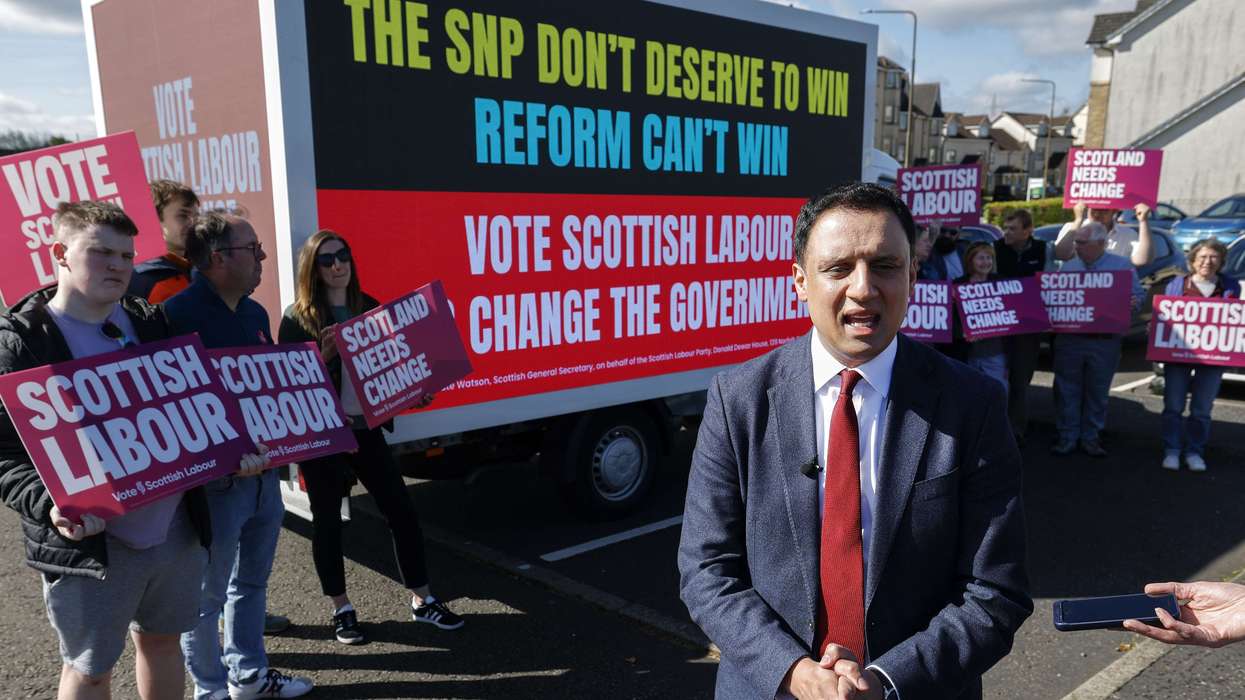
Scotland could offer a rare pocket of political stability. John Swinney is the third Scottish first minister of a turbulent term after Nicola Sturgeon and Humza Yousaf, but may now secure a fifth term for his Scottish National Party. The trick to bucking the anti-incumbent trend has been to leverage his Edinburgh government being comparatively less unpopular than its London counterpart. Scottish Labour leader Anas Sarwar sought to demonstrate his own distance from Westminster by calling for Starmer to resign, but his bid to lead Scotland, and become its second Asian First Minister, looks set to fall short.
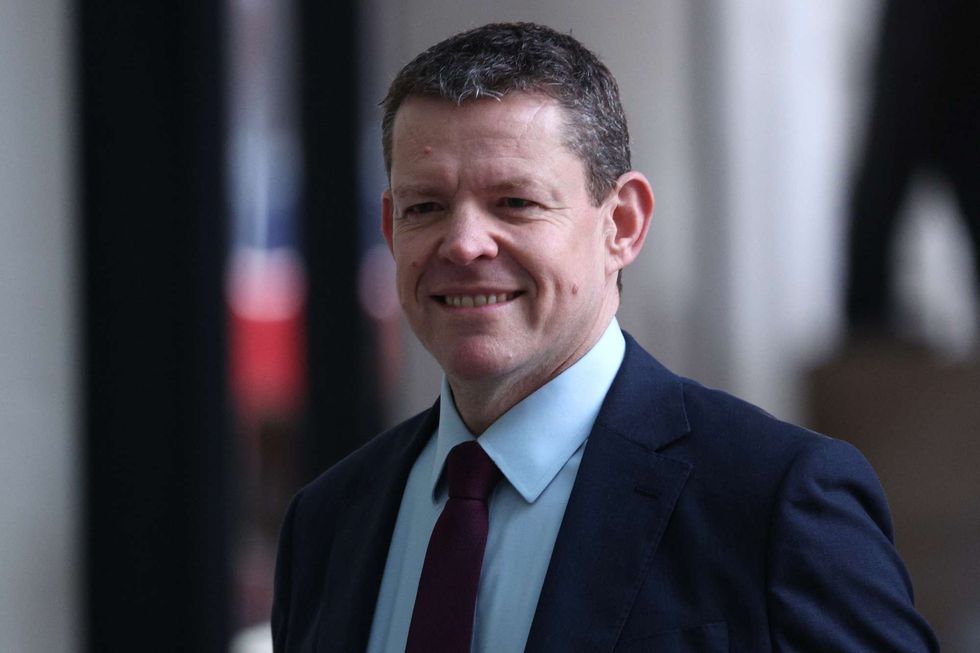 Plaid Cymru leader Rhun ap IorwerthGetty Images
So the King may find himself with an unusual trio of first ministers across Wales, Scotland and Northern Ireland, leading parties who hope to eventually dissolve the UK. But they may all prove easier to work with constructively than US president Donald Trump.
England’s local elections are a complex patchwork. Reform leader Nigel Farage will want to declare himself the main victor. Since its local election breakthrough last spring, Reform has slipped back in the national polls. Since Reform is defending only three council seats, every councillor elected will rack up gains on the national scoreboard. About a third of those eligible cast their ballots in local elections, while Reform’s appeal to older voters gives it a turnout edge so sweeping local gains do not depend on raising its national ceiling. The headache for Farage comes if his appearing to be a serious contender for power mobilises opponents to stop Reform.
Reform has had a core vote strategy for the 2026 elections, making asylum its core theme, even for devolved parliaments and councils with little responsibility for the issue. Reform paid a backhanded compliment to the Green Party’s growing profile by proposing a mass expansion of new detention centres with a pledge that they would never be opened in any area voting for a Reform MP or council, but would target Green-voting areas. But this Trump-like campaign trolling - unveiling a "Vote Green, Get Illegals” website with a postcode checker - could put a future Reform government in legal jeopardy in the courts.
The rising Greens hope for significant gains - trying to capture several London boroughs from Labour. The rapid growth of the Greens comes with challenges of candidate vetting on the left - particularly over antisemitism - that have dogged Reform over racism on the right. Green Party leader Zack Polanski cites his own Jewish identity to insist on the compatibility of being pro-Palestinian and a fierce critic of Benjamin Netanyahu’s Israeli government, while challenging antisemitism against Jews in Britain. But his party lacked the processes to identify and keep out some candidates who failed to differentiate pro-Palestinian protest from antisemitic prejudice, so will need to set stronger boundaries beyond this electoral cycle.
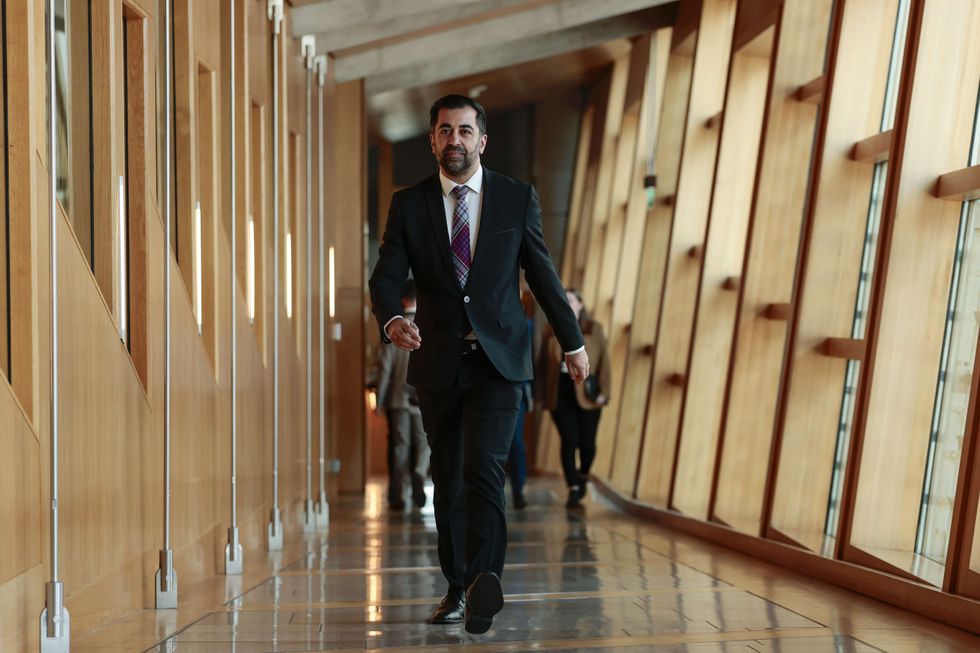 Humza YousafGetty Images
Labour councillors defend 2,700 seats - over half of those up for election across England - but are projected to lose about half of them, with the fate of many councillors sealed less by their local efforts than the party’s national troubles. Yet the Liberal Democrats still see the old adage that “all politics is local” still working for them. The LibDems believe that more local gains, despite their low national profile, could see them overtake the Conservatives as the second largest party in local government nationwide.
Kemi Badenoch’s Conservatives continue to struggle with Reform’s challenge on the right - but take consolation in their leader's personal lead over Farage, which may indicate that voters struggle to see Farage making the leap from protest to power. Labour’s decimated forces will probably remain the largest party in local government - though the party’s post-election dilemma revolves around how much it must change for it to recover as a national political force, too. The only thing nobody can know for certain is where the tectonic plates of British politics may end up three years from now.