
Highlights
23 British nationals, 19 passengers and 4 crew, are on board the stricken MV Hondius
Three passengers have died since the ship left Argentina a month ago
Foreign secretary Yvette Cooper says the situation is "very serious and deeply stressful"
A British doctor, aged 56, has been evacuated and is in a stable condition
THE government is working urgently to bring 23 British nationals home after they became stranded on a cruise ship hit by a deadly hantavirus outbreak, foreign secretary Yvette Cooper has said.
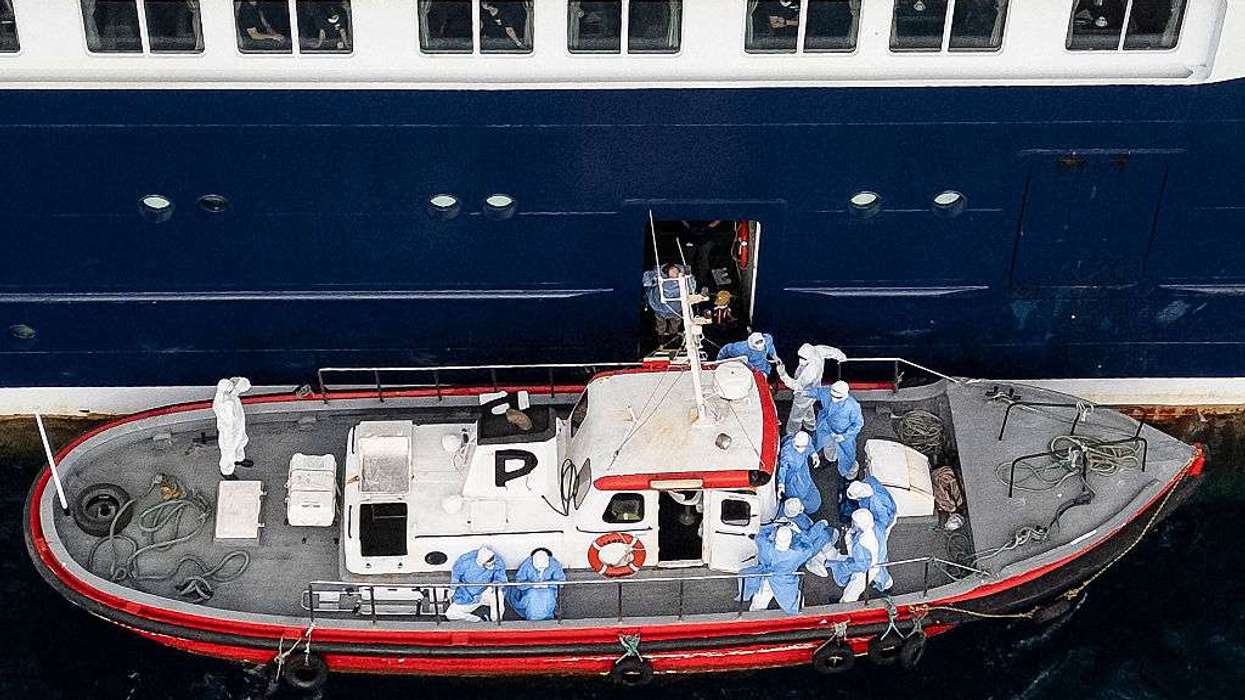
Nineteen British passengers and four British crew members are among roughly 150 people still on board the MV Hondius, which has been held off the coast of Cape Verde following the outbreak. Three passengers have died since the vessel departed Argentina a month ago.
Cooper described the situation as "very serious and deeply stressful for those affected and their families" and said consular staff were in direct contact with the British nationals on board.
Hantavirus is spread by rodents such as rats and mice. Symptoms include fever, severe fatigue, muscle aches, stomach pain, nausea and vomiting.
The Foreign Office has been "working with other countries to facilitate the medical evacuations, to support our Overseas Territories and to get British nationals home safely as quickly as possible," she said.
One British passenger, a 56-year-old doctor, was evacuated from the ship on Wednesday and is understood to be in a stable condition. Two other passengers were also airlifted to the Netherlands for medical treatment: a 41-year-old Dutch crew member and a 65-year-old German national.
The British response is being led by the UK Health Security Agency (UKHSA) in coordination with the World Health Organisation.
The UKHSA is also working with the governments of St Helena, Tristan da Cunha and Ascension Island on isolation and contact-tracing measures. The agency stressed that the risk to the general public in Britain remained "very low" and said there was "no need for concern".
'Passengers not presenting any symptoms'
The ship was set to leave for Spain on Wednesday (6) after three people, two of them seriously ill, were evacuated. It is expected to dock in Spain's Tenerife, in the Canary Islands, within three days, Spain's health minister said, adding that those still on board were not presenting any symptoms of the disease.
Once in Tenerife, if they are still healthy, all non-Spanish citizens will be repatriated to their countries, Monica Garcia told a press conference in Madrid.
The 14 Spanish passengers will be quarantined in a military hospital in Madrid, Garcia said. The duration of the quarantine will depend on when they potentially had contact with the virus, she said, adding that it has a 45-day incubation period.
A total of eight people - including a Swiss citizen who has returned home and is being treated in Zurich - are suspected to have contracted the virus, with three of them confirmed by laboratory testing, the World Health Organisation said.
South Africa confirmed that it had identified among the victims the Andean strain of the virus that can - in rare cases - spread among humans through very close contact.
"This is the only (hantavirus) strain that is known to cause human-to-human transmission, but such transmission is very rare and... only happens due to very close contact," South Africa's health ministry said.
(with inputs from Reuters)