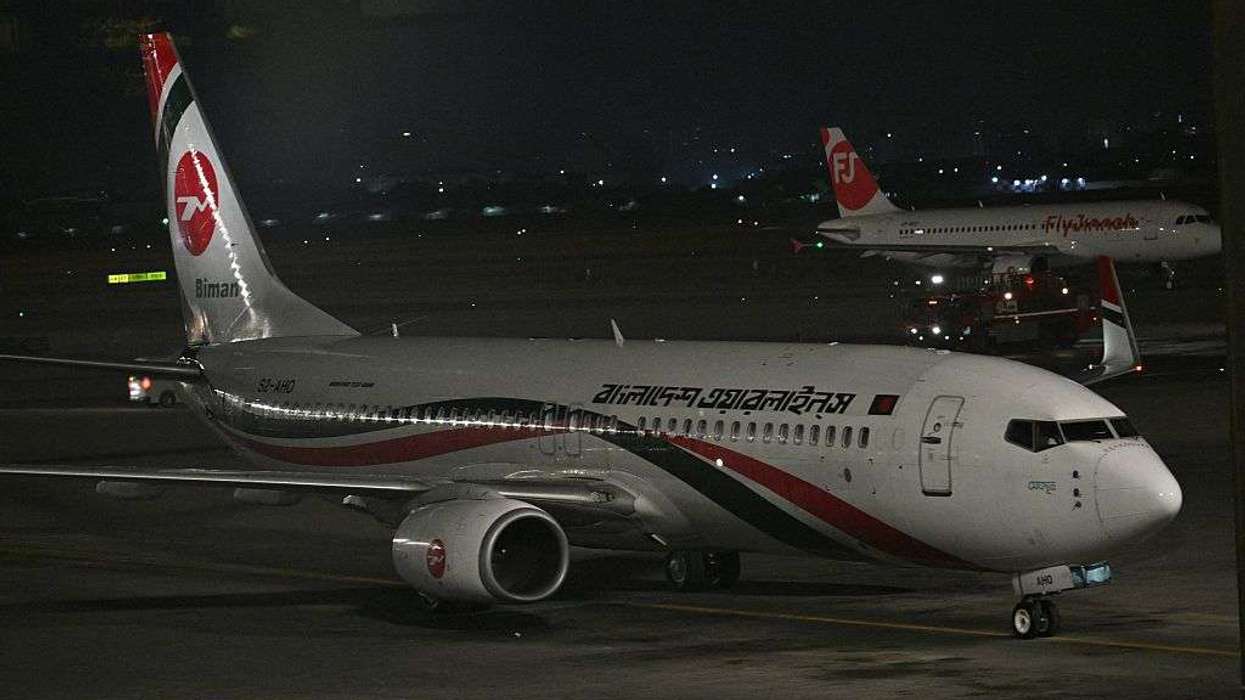

- European airlines are being advised to consider using US-made Jet A fuel.
- Jet fuel prices in Europe have jumped by around 50 per cent since the Iran conflict escalated.
- Regulators say the switch is possible, but only with careful safety management.
European airlines are being encouraged to explore the use of US-manufactured jet fuel as the Iran conflict continues to strain global aviation fuel supplies and push prices sharply higher.
The warning has come from International Air Transport Association, which said wider acceptance of US-grade Jet A fuel could help airlines deal with growing pressure on fuel availability across Europe.
At the same time, European Union Aviation Safety Agency has issued fresh safety guidance explaining how Jet A could be introduced into European operations and outlining the risks airlines would need to manage carefully.
The discussion reflects growing concern inside the aviation industry as fuel supplies from the Gulf region remain disrupted following the US-Israel conflict with Iran and ongoing pressure around the Strait of Hormuz.
Jet fuel prices used by most European airlines have reportedly surged by roughly 50 per cent since the conflict intensified.
A fuel switch Europe rarely talks about
Commercial aviation mainly operates using two types of kerosene-based fuel: Jet A-1 and Jet A.
Jet A-1 is the standard fuel used across most international markets, while Jet A is more common in North America. The main technical difference is that Jet A-1 has a lower freezing point, making it better suited for long-haul and polar routes.
According to Stuart Fox, supplies of Jet A-1 from the Gulf have slowed significantly since the conflict began, creating particular pressure for Europe because the region relies heavily on imported fuel from the Middle East.
“European fuel supply could come under pressure if the war in the Middle East continues,” Fox reportedly wrote in a blog post.
“Using Jet A, which is produced at scale outside the Gulf, could be a practical way to help ease some pressure on existing supply chains,” he reportedly added, as quoted in a news report.
The US has increased fuel shipments across the Atlantic to help cover part of the shortfall. However, many American refineries are set up to produce Jet A rather than Jet A-1, limiting how much conventional European-grade fuel can be supplied.
Fox also reportedly pointed out that airlines in North America already use Jet A regularly, including on routes serving extremely cold regions such as Alaska, by relying on fuel additives and tighter operational planning.
Safety concerns remain in the background
While regulators appear open to the idea, EASA stressed that introducing Jet A into European airline operations would need strict coordination.
The agency reportedly said there would be no major safety concerns “provided that its introduction is properly managed”.
However, it warned that inconsistent fuel availability between airports or operational mistakes could create safety risks if aircraft crews incorrectly assume which fuel grade is onboard.
EASA reportedly cautioned that such problems “could result in an aircraft flying outside of its safe operating limits”.
The wider concern for airlines is not only fuel availability, but also rapidly rising costs.
Last week, International Airlines Group, owner of British Airways, warned it expected to spend an additional €2bn (£1.7bn) on fuel this year because of the crisis.
IAG chief executive Luis Gallego reportedly said the company did not expect “any interruption for the summer” regarding fuel supply, although the group acknowledged the higher fuel bill would hit profits.
For European airlines, the debate around fuel grades now reflects a wider industry problem: keeping aircraft in the air while fuel markets remain deeply tied to geopolitical tensions far beyond Europe’s borders.