
- Passports issued before January 1, 1994 cannot be renewed normally
- Travellers may need to apply for a “first adult passport” instead
- Applicants could be asked to provide birth certificates and citizenship documents
Britons planning holidays this year are being urged to check the issue date on their passport carefully, as some older documents may no longer qualify for a standard renewal.
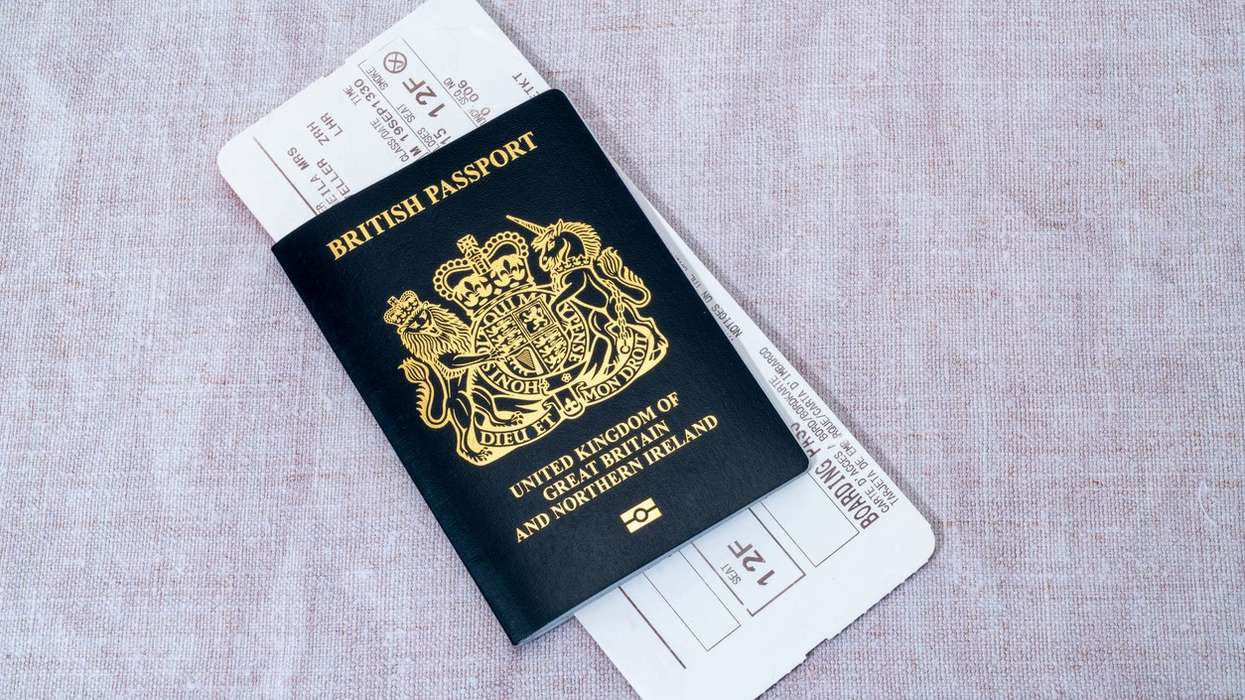
According to guidance on the UK government website, anyone whose last passport was issued before January 1, 1994 must apply for what is classed as a “first adult passport” rather than renewing it in the usual way.
The rule affects some holders of the older blue hardback passports that were gradually phased out and replaced with burgundy machine-readable versions during the late 1980s and early 1990s.
Under the current system, those older passport numbers reportedly cannot be used for standard renewals, meaning applicants may have to go through a more detailed identity and citizenship verification process.
Old passports, new paperwork
People applying under the “first adult passport” process may need to provide original supporting documents, including birth certificates or other proof of British citizenship.
Anyone who no longer has their original documents will likely need to order official replacement copies before applying.
For most travellers with passports issued after 1994, the normal renewal system still applies. UK adult passports remain valid for 10 years, and renewals can usually be completed online or through postal applications.
The government also warns that passports may need replacing even before expiry if they are damaged. According to HM Passport Office guidance, a passport could be considered unusable if pages are torn or missing, if details cannot be read properly, or if there is water damage, staining or separation of the cover.
Travellers are also being reminded to check expiry rules for their destination country, as some nations require at least six months of validity remaining on arrival, while others ask for three months.
Faster services come at a price
Online passport renewals currently cost £102 for adults and £66.50 for children. Postal applications are more expensive at £115.50 and generally take longer to process.
Applicants using the online route need a digital photo, payment card and their existing passport details. Post Office branches across the UK also offer paid support services, including digital photographs and application assistance.
For travellers running out of time before a trip, the government also offers urgent passport services at significantly higher costs.
The same-day premium service costs £239.50 for a standard adult passport, rising to £253.50 for the larger 54-page version often used by frequent travellers.
Meanwhile, the one-week fast-track service costs £192 for adults and £156.50 for children, with higher fees applying for larger passports.
The government reportedly advises travellers to allow enough time before booking trips, particularly during busy holiday periods when application demand can rise sharply.