
Highlights
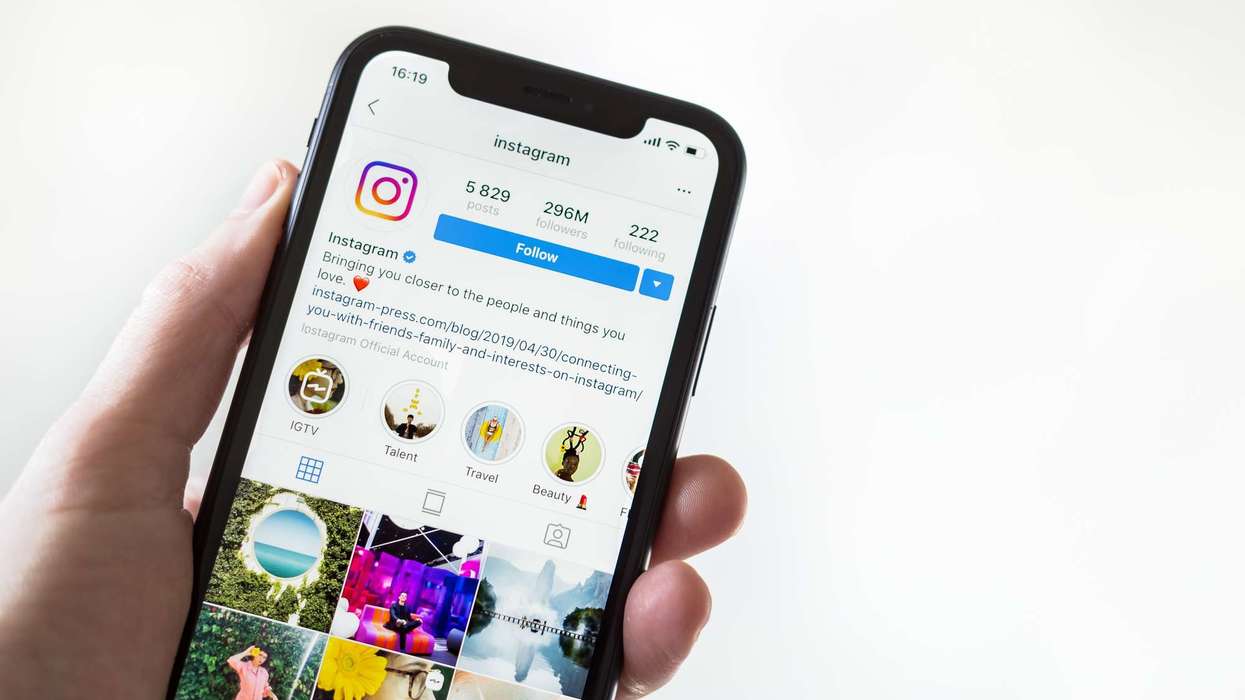
- Instagram switches off end-to-end encryption just before federal deepfake law enforcement begins.
- Meta can now read private messages it previously could not access.
- Privacy experts warn against storing downloaded chats in Google Drive or iCloud.
End-to-end encryption works like a sealed envelope. The platform can see who sent a message and who received it, but cannot open it to read what is inside.
When Instagram removes this feature, it effectively removes the privacy layer that kept messages hidden. As a result, Meta would be able to access the content of those messages.
Users who had enabled the feature would have noticed a lock icon in their direct message chats. However, what will happen to those already encrypted conversations after the deadline is still unclear, Maugans told Fox News.
He said there are two possible outcomes being discussed: either those messages may be moved into regular chat history, or they could be deleted entirely.
This uncertainty is why users are being advised to download their encrypted messages before the change takes effect.
The timing of this move is being linked to the Take It Down Act, a US federal law passed in May 2025. The law requires platforms to remove non-consensual deepfake images within 48 hours of a report.
Platforms are expected to have a working system in place by May 19. Maugans said the timing is unlikely to be a coincidence.
He explained that platforms are required to act quickly against harmful content, but encrypted messaging prevents them from seeing what is being shared, which creates a conflict between privacy and content moderation requirements.
What users should do
If you have been using encrypted Instagram direct messages, it is important to download a copy of your chats. However, how you store that backup is just as important as saving it.
Maugans warned that uploading the downloaded file to services like Google Drive, iCloud, or any cloud storage removes its protection, because it becomes an unencrypted version of your conversations.
He added that if the goal is to prevent access by data brokers, users need to be very careful about where the file is kept.
Saving the backup in cloud platforms reduces its privacy benefit, so it is safer to keep it stored locally on your device.
Meta has suggested switching to WhatsApp for users who want ongoing encrypted messaging, as it is also owned by the company. However, WhatsApp only protects message content, not the surrounding data.
Maugans explained that details such as how often people talk, when they communicate, and how frequently messages are exchanged are still visible. This helps build a communication pattern that can be used in Meta’s systems.
Although WhatsApp cannot read message content, it can still see who is talking to whom and when, and this information continues to support advertising and recommendation tools.
For users who want stronger privacy, Maugans recommends moving to platforms outside Meta’s ecosystem.
He pointed to Signal as a widely trusted option, noting that it is a nonprofit service focused on transparency and strong encryption, and is designed specifically for secure communication.
Signal is free and available at signal.org and in the App Store and Google Play. Other options include Apple iMessage for conversations between Apple devices, though messages to non-Apple phones fall back to standard SMS without the same protection.
For victims of non-consensual intimate images, the Take It Down Act provides a legal path to force removal once platforms have their systems in place after May 19.
Reports can be filed directly with the platform, and the Federal Trade Commission handles enforcement against companies that do not comply.