
Highlights
- Starmer says he will 'deliver change' despite Labour losses across UK
- Reform UK gains more than 1,000 council seats in England
- Labour loses ground in England, Wales and Scotland amid voter frustration
- Pressure grows on Starmer as some Labour MPs call for him to step aside
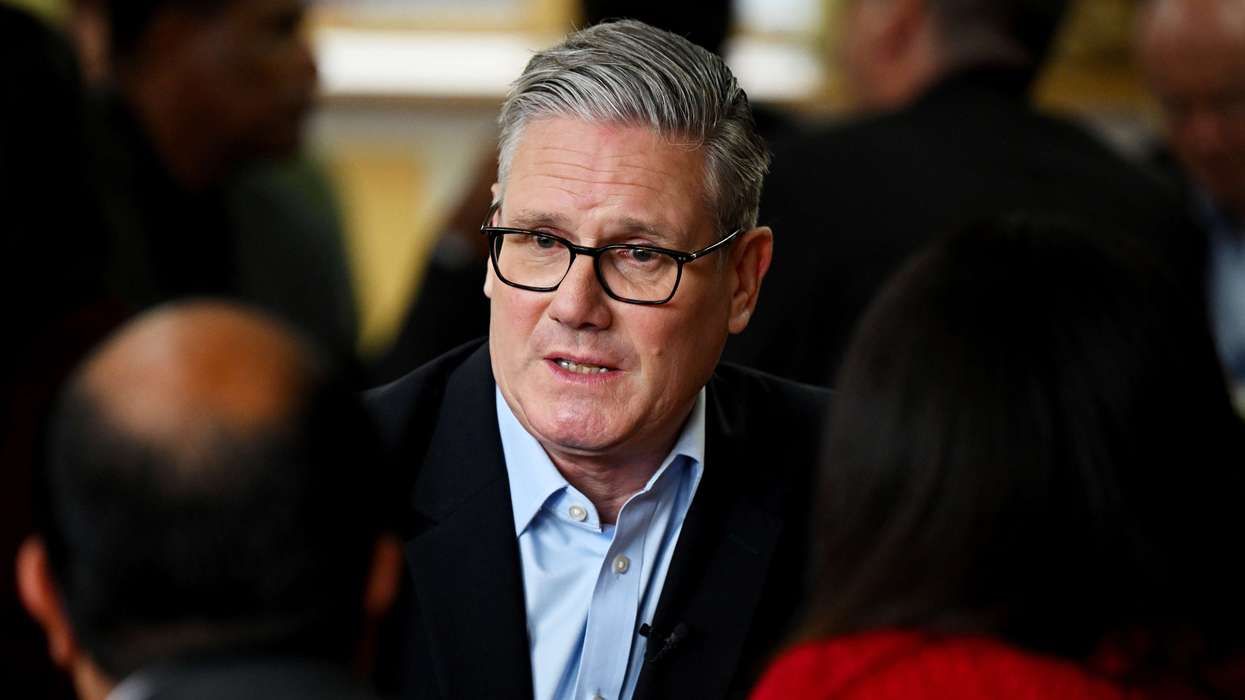
PRIME MINISTER Keir Starmer vowed to stay in office and “deliver change” after Labour suffered heavy losses in local and regional elections across Britain, including setbacks in England, Scotland and Wales.
Less than two years after Labour’s landslide general election victory, voters punished the party in many of its traditional strongholds in London, northern England, Wales and former industrial regions, with support shifting to Reform UK, the Greens and nationalist parties.
Starmer said he would “listen to voters” following what became Labour’s biggest electoral test since returning to power in 2024. Writing in the Guardian, he said: “The right lesson is to listen to voters,” but added that it “doesn't mean tacking right or left”.
The main beneficiary of the results was Nigel Farage’s Reform UK party, which gained more than 1,000 council seats in England and emerged as a major force in Scotland and Wales. Reform picked up nearly 1,500 of the 5,000 council seats contested in England, while Labour lost more than 1,000 seats and the Conservatives lost hundreds more.
ALSO READ: Ed Miliband privately urged Starmer to consider exit timeline
The elections highlighted the weakening of Britain’s traditional two-party system, with Labour and the Conservatives losing votes to Reform, the Green Party and nationalist parties in Scotland and Wales.
Despite the losses, Starmer’s allies publicly backed him. “I am not going to walk away,” Starmer told reporters in Ealing, west London, where Labour retained control of the council.
He accepted responsibility for the results and admitted the government had made some “unnecessary mistakes”, including failing to offer hope after taking power. But he argued voters were frustrated with the speed of change rather than rejecting Labour outright. He said the government would set out “the steps that we will take to deliver the change that they want and that they deserve”.
Starmer also pointed to plans to tackle the cost-of-living crisis, which has continued alongside the impact of conflicts in Ukraine and Iran. Sterling rose against the US dollar after his comments, while British government borrowing costs fell.
Even so, the scale of Labour’s losses intensified pressure on the prime minister. More than 20 Labour lawmakers reportedly urged Starmer privately and publicly to consider his position and set out a timetable for his departure.
“The prime minister cannot take our party into the next election,” Labour lawmaker Simon Opher said in a statement.
Defence minister John Healey rejected calls for a leadership change, saying voters did not want “the potential chaos of a leadership election”. Technology secretary Liz Kendall told BBC News: “He’s not going to go, and he's not going to set a timetable.”
Labour lost control of several councils, including Tameside in Greater Manchester for the first time in almost 50 years. In nearby Wigan, Labour lost all 20 seats to Reform after controlling the area for more than 50 years. Reform also took control of Havering in east London, its first London borough victory, while the Greens won the mayoralty in Hackney.
In Romford, Havering resident Gary Orford said he wanted to give Farage a chance after being fed what he called a “pack of lies” by other politicians. “You can only give him a chance,” he said.
The losses were especially severe in Wales, where Labour lost power for the first time since devolution began in 1999. With all 96 seats declared, Plaid Cymru won 43 seats, Reform UK secured 34 and Labour finished third with nine seats.
Welsh Labour leader Eluned Morgan lost her seat and announced she was stepping down. “Welsh Labour has today suffered a catastrophic result,” she said. “It ends a century of Labour winning in Wales, and the party will need to take a really hard look at itself, and understand the depth of the challenge that we face.”
Morgan later said Starmer’s government in London needed to “change course”. Plaid Cymru leader Rhun ap Iorwerth said the result showed Wales wanted a “change of leadership”, adding: “Plaid Cymru stands ready to take the necessary steps to form the next government of Wales.”
In Scotland, the Scottish National Party remained the largest party but failed to secure a majority, winning six fewer seats than in 2021.
The results underlined how much British politics has changed since 2017, when Labour and the Conservatives together won 82 per cent of the vote in the general election. They also showed how quickly voters have turned against Starmer since Labour entered office in 2024, with his government facing criticism over policy reversals, internal changes and controversies including the appointment of Peter Mandelson as ambassador to the United States.
(With inputs from agencies)