
Highlights
- Bradley Walsh’s Million Pound Shot was not a genuine gameshow but an elaborate Channel 4 experiment exposing gambling industry tactics.
- Actors posed as contestants, with one appearing to lose thousands of pounds despite admitting he could not afford it.
- The programme highlighted how free bets, betting incentives and online gambling can encourage people to chase losses.
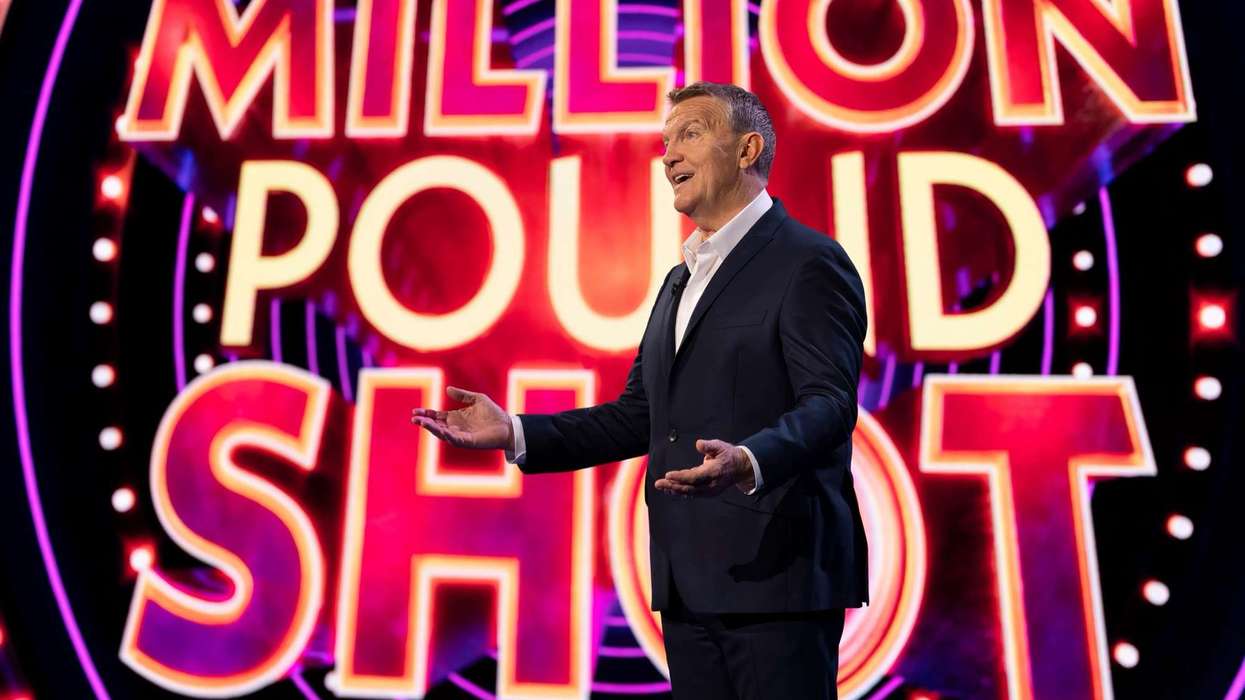
Bradley Walsh appeared to be hosting a new million-pound gameshow, but viewers who tuned in to Million Pound Shot on Channel 4 on November 1 were in for an unexpected revelation. What looked like a high-stakes television contest was actually an elaborate hoax designed to expose the tactics used by the gambling industry to keep people betting.
The programme invited contestants to risk their own money for a chance to win the £1 million jackpot. However, as the game progressed, the increasingly risky decisions made by the participants revealed how gambling mechanisms can encourage people to spend beyond their means.
The unusual format had already prompted speculation online before its broadcast. Some viewers suspected a Derren Brown-style psychological experiment, while others compared it to the infamous television hoax Ghostwatch. Both theories turned out to be closer to the truth than a conventional gameshow.
Bradley Walsh’s Million Pound Shot reveals gambling tricks
Walsh hosted the supposed contest in his familiar upbeat style, but the contestants faced increasingly uncomfortable financial decisions.
One participant, Mark, claimed he was prepared to stake his entire £1,000 savings. Another, Reece, said he would use money borrowed from friends, credit cards and loans to compete for the top prize.
Reece, portrayed as a teacher earning £30,000 a year, began losing heavily during the trivia rounds and eventually found himself £2,400 in debt.
At a crucial point, he was given the opportunity to leave the game but was offered a bonus ball, effectively a free bet, for the final roulette-style challenge. Despite admitting, "I can’t really afford to lose £3,000", he decided to continue playing.
After another loss, Walsh suggested that he could purchase an additional ball using his own money.
The situation eventually prompted an audience member to challenge what was happening, asking whether nobody else thought it was wrong. The programme then revealed that Reece, Mark, another contestant named Helen and even the floor manager were actors. The studio audience, however, had not been told that the gameshow was staged.
Psychologist Dr Steve Sharman subsequently explained how the experiment recreated techniques associated with gambling platforms. These included using betting tokens to make money feel less tangible, creating an illusion of control through physical buttons and offering free bets to encourage players to continue after losing.
Real-life gambling addiction gives the experiment a darker meaning
One of the programme's most powerful moments came through an interview with Patrick Foster, whose experiences inspired the character of Reece.
Foster struggled with gambling addiction for 13 years and accumulated estimated debts of around £250,000. He initially began gambling in betting shops while at university before moving to online platforms.
"Suddenly I had a betting shop and a casino in my pocket, and I could do it any time, any place, at the click of a button," he explained.
At the height of his addiction, Foster had 76 accounts with different online gambling platforms. He also borrowed money from the parents of his students and eventually reached a point where he contemplated suicide while trying to recover his losses.
His wife, Charlotte, said the gambling industry had "an awful lot to answer for".
Gambling reform campaigner Will Prochaska also discussed the industry's reliance on customers experiencing gambling-related harm. He claimed that problem gamblers were nine times more likely than other customers to be offered a free bet, while half of the sector's profits came from just 5 per cent of its customers.
A closing message revealed that Britons lost £17.5 billion to gambling in 2025, with one in every 14 suicides linked to gambling.
The Betting and Gaming Council defended the industry's regulatory standards, stating that its members operate under strict rules covering advertising, customer protection, promotional offers and game design. It also said practices such as losses disguised as wins had been banned for years.
Although Million Pound Shot used a staged gameshow to deliver its message, its warning was rooted in real experiences of gambling addiction. As Walsh said towards the end of the programme, "It’s serious, it’s real and it’s happening now."