
CHILEAN INDIAN writer-director Shalini Adnani draws on her childhood summers in India for a debut feature about a 12-year-old girl confronting family secrets, inequality and the human and environmental cost of sand mining.
Her film, Our Share of Sand, a UK-India-Greece co-production shot in Mahabaleshwar and Jambhali villages in Maharashtra, had its world premiere at Venice last month and is now in competition for the Sutherland Award for first feature at the BFI London Film Festival next week.
Adnani, 37, told Eastern Eye, “I think the inspiration (for the film) came from multiple places. Part of it was wanting to explore the summers I would spend in India. I saw India developing very fast, almost exponentially, each time I went. So, I was interested in the construction that was going on, and in the sand mining that was happening, because the development was so fast.”
But the London-based filmmaker was equally interested in something much closer to home – the family.
She saw the household as a small reflection of the wider society around it.
“In those summers, I realised that the house, or the family, was a sort of microcosm of society,” she said.
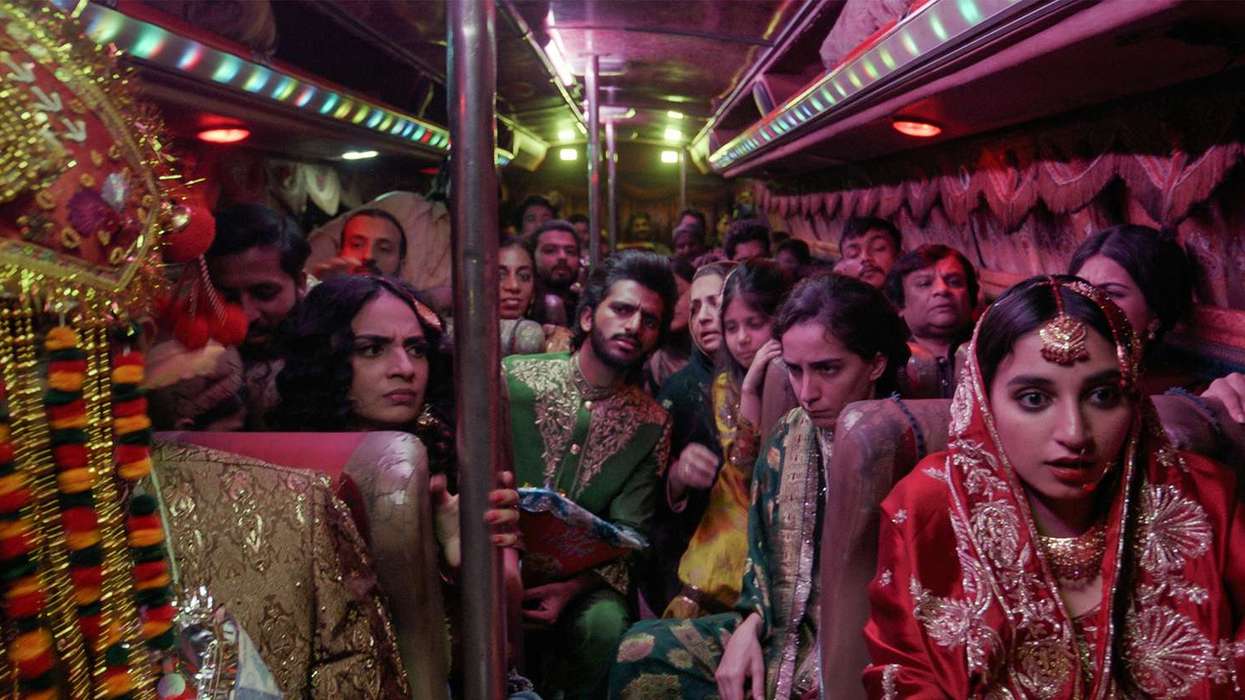
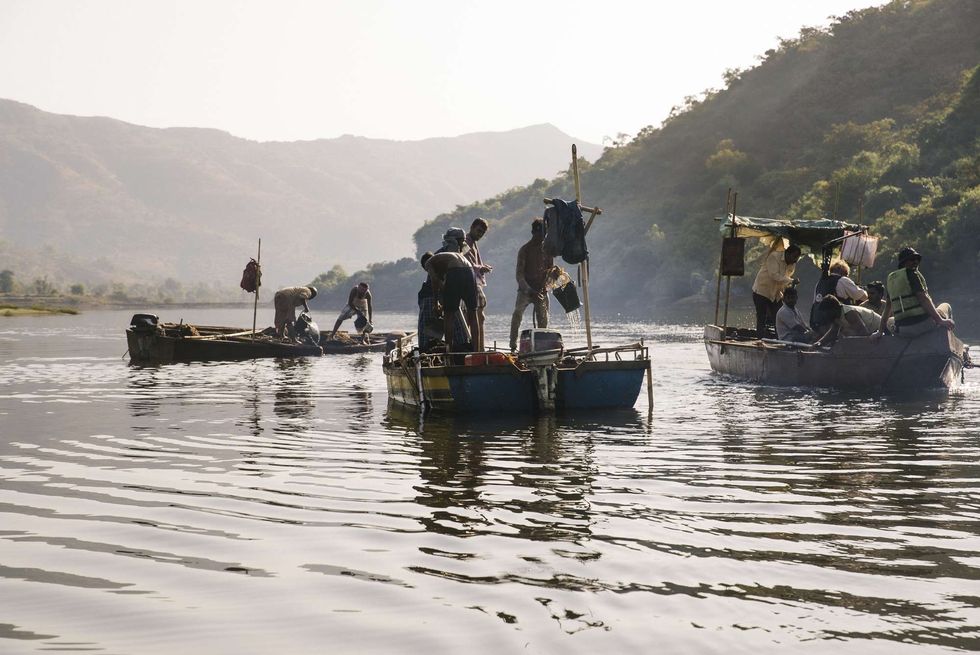 A still from Our Share of Sand Eastern Eye
That idea became the basis for a story about a child discovering that the adults around her may not be as innocent as she once believed.
Our Share of Sand is told through the eyes of 12-year-old Maya, played by Maya Mehta. Maya’s world begins to change when she sees her friend Kieran in pain. Their friendship becomes the starting point for questions about her father, her family, and the choices they made.
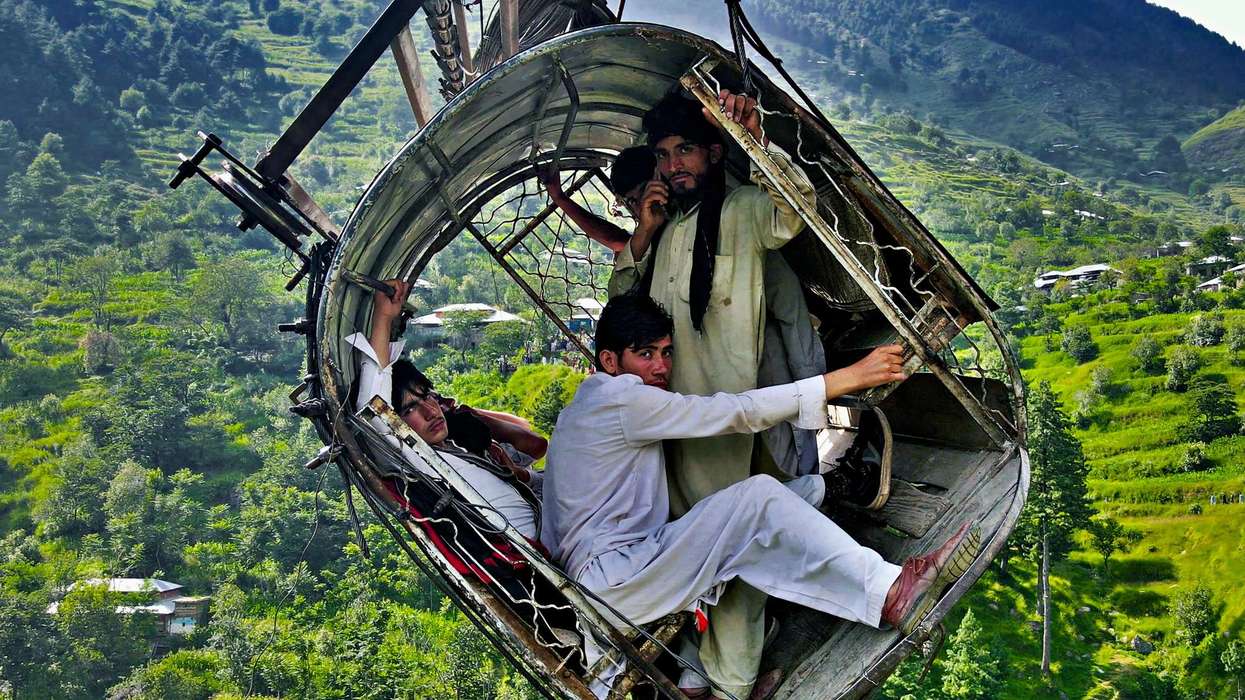
Sand mining may not appear at first to be an obvious subject for a coming-of-age film, but Adnani became interested in the scale of its environmental impact while researching India’s rapid development.
The filmmaker spent around two or three years developing the story and researching the issues behind it. She frequently travelled to India, including to southern parts of the country where sand mining is widespread.
Adnani’s parents are Indian, and she grew up in a Sindhi family in Chile. Her relationship with India was therefore formed partly through visits and partly through stories passed down through generations.
Her Chilean background influenced the film’s style.
She drew on Latin American traditions of magical realism, fables and the meeting of the real and the magical.
Adnani said, “Both Chile and India are countries that are very rich in natural resources, and they have been excavated and mined quite a lot, usually by foreign companies. They are both countries that are very defined by their landscape, by the land around them, and that is something I’m interested in.”
Her family history also influenced the film’s treatment of wealth and inheritance.
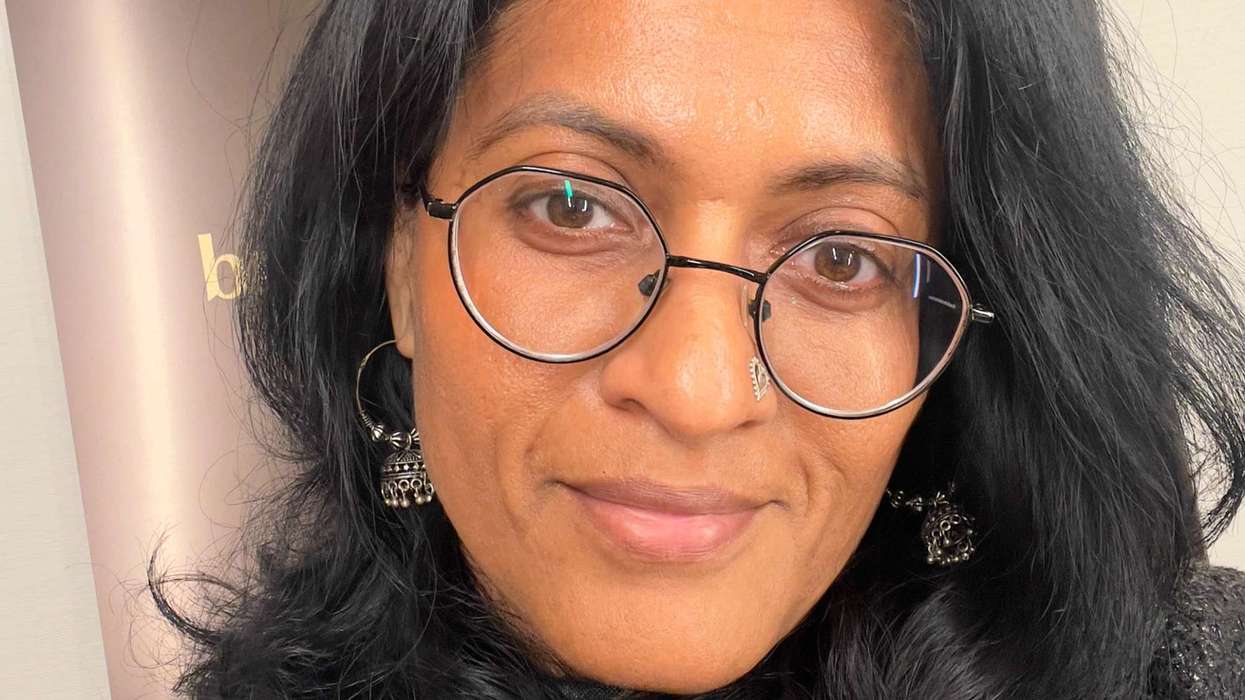
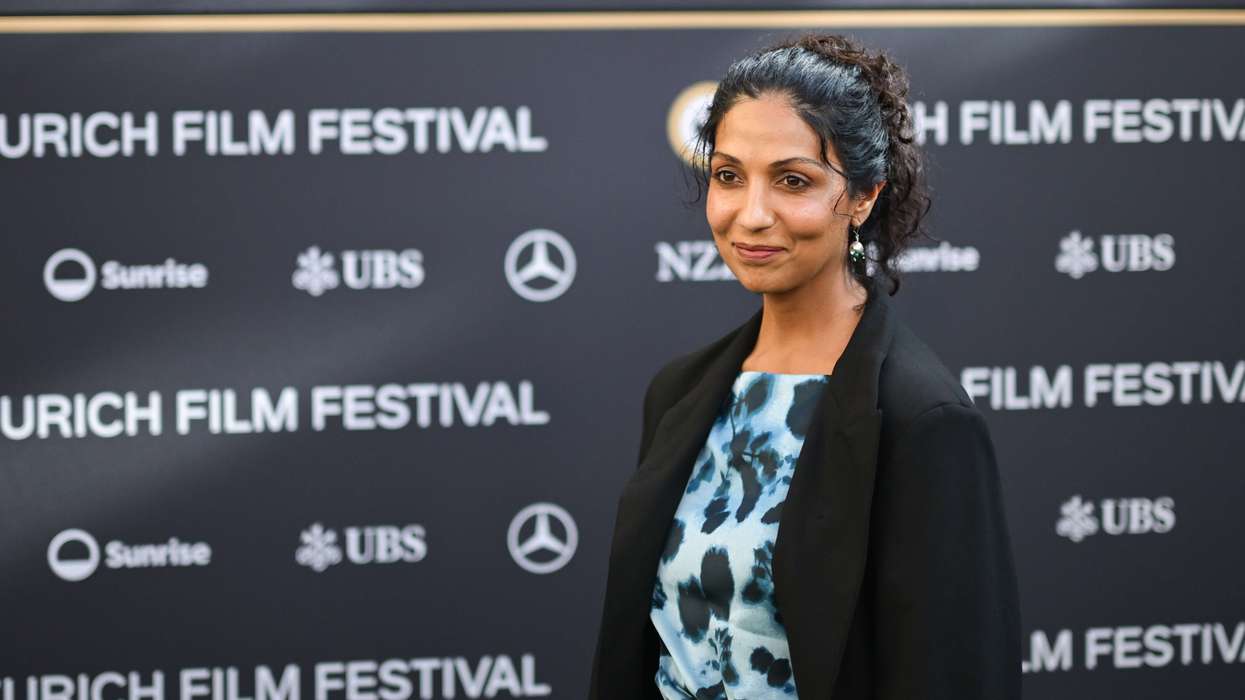
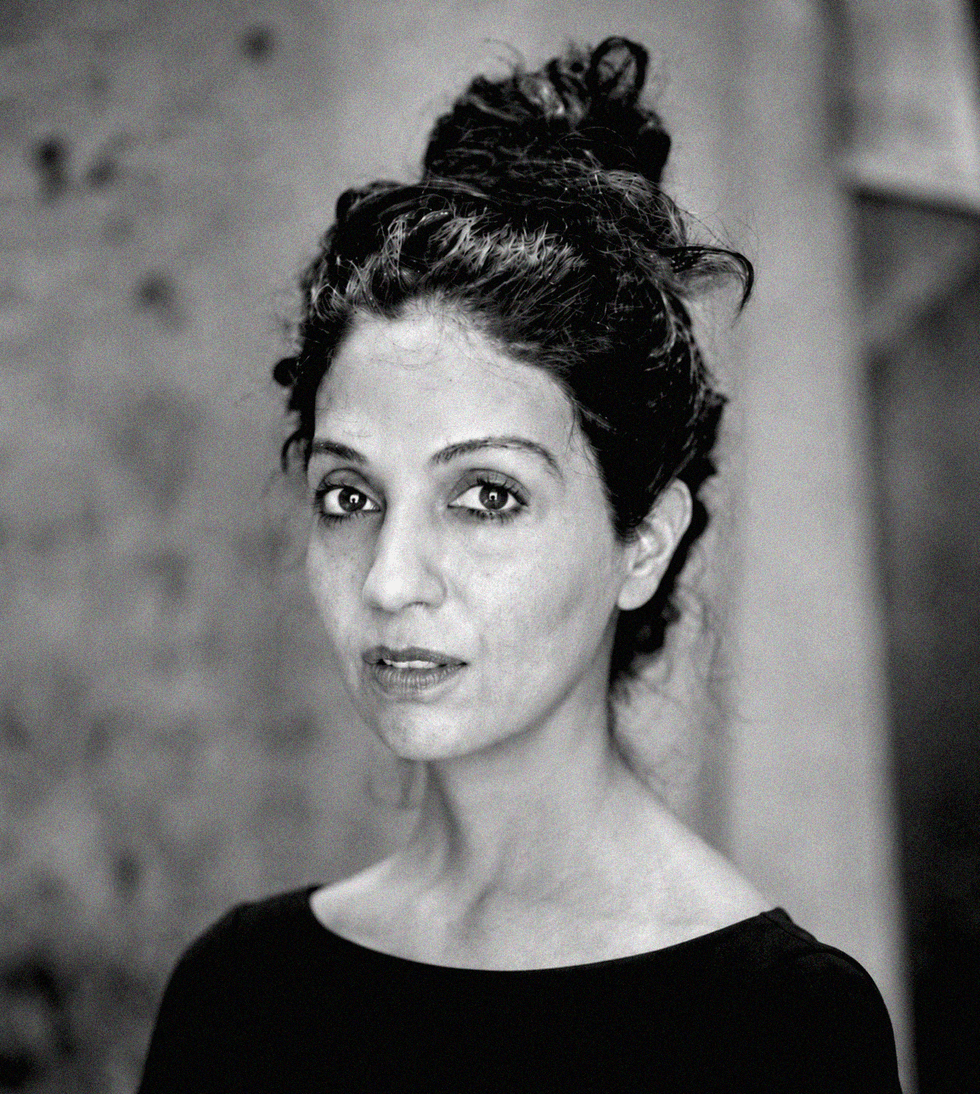 Shalini AdnaniEastern Eye
Adnani has spoken about hearing stories of Partition, displacement and her family’s struggle to rebuild their lives elsewhere. Her short film, White Ant, premiered at Sundance 2023 and went on to be shortlisted for a BIFA, won Best UK short at Raindance 2023 and was acquired by Canal+.
The BFI London Film Festival screening has particular importance for Adnani, because of its connection to the British Asian community. The 95-minute film will be screened on Saturday (10) and Sunday (11) at the festival.
After premiering in Venice, Adnani said she was more nervous about showing the film in London.
“It’s special. It’s a homecoming,” she said. “We’re showing it to so many friends and family, and to so many people I’ve been talking to about the film.”
She is especially interested in how British Asians respond to a story about the diaspora that does not centre on life in Britain. She added, “There is also an element of showing the film to the British Asian diaspora, which is essentially one of the biggest audiences for the film. So, it means a lot. It feels incredibly special.”