
Highlights
- The 70th BFI London Film Festival will showcase films from across south Asia and the Middle East and North Africa
- A new 4K restoration of Kamal Amrohi’s Pakeezah will screen at BFI IMAX
- New films explore beauty standards, political resistance, displacement, queer identity, war, censorship and family
The 70th BFI London Film Festival is turning the spotlight towards filmmakers from south Asia and the Middle East and North Africa, bringing a striking mix of political cinema, intimate dramas, genre films and restored classics to UK audiences this October.
Running from 7 to 18 October, the festival will feature films from Bangladesh, India, Pakistan, Nepal, Afghanistan, Iran, Palestine, Jordan, Lebanon, Tunisia, Yemen, Morocco and Egypt. Across the selection, filmmakers use everything from body horror and dark comedy to documentary and archive footage to explore the pressures shaping lives across the region.
At the centre of the south Asian selection is a landmark restoration of one of Indian cinema’s most celebrated films.
Pakeezah returns to the big screen
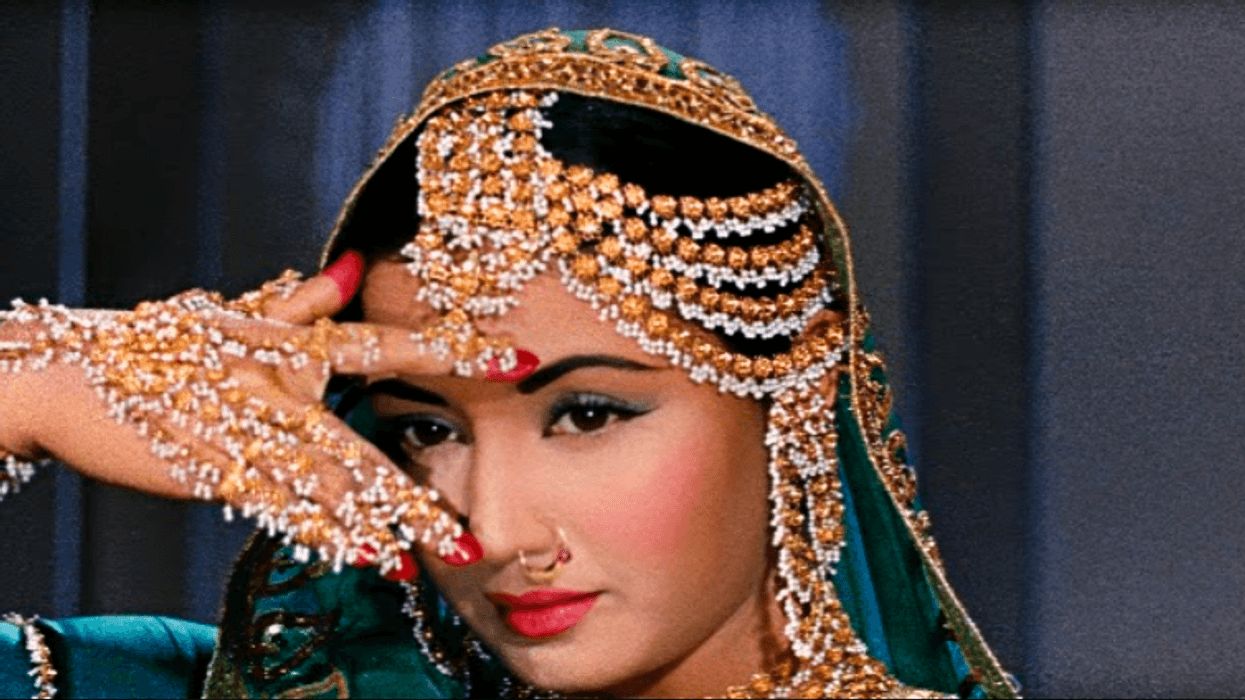
Kamal Amrohi’s 1972 classic Pakeezah, starring Meena Kumari, will screen at BFI IMAX on 18 October following a new 4K restoration by the Film Heritage Foundation.
The musical tragedy, centred on a courtesan and her relationship with a man from a different social world, remains one of Hindi cinema’s defining works. Its inclusion alongside contemporary films also creates a link between south Asia’s cinematic heritage and the new generation of filmmakers now finding audiences internationally.
The festival’s south Asian programme features several distinctive contemporary voices.
Bangladeshi filmmaker Rubaiyat Hossain’s The Difficult Bride turns the rituals surrounding marriage into feminist body horror, following bride-to-be Zaineen as beauty expectations, social restrictions and supernatural warnings begin to close in.
Shalini Adnani’s Our Share of Sand follows Maya, a young woman returning to rural India and gradually confronting the child labour, environmental destruction and corruption connected to her family’s wealth.
Meanwhile, The Calf Doll sees Indian filmmaker Ankur Hooda use his grandparents as improvised versions of themselves in a para-fiction about village rituals, migration and industrialisation in Haryana.
Pakistan is represented by Sarmad Sultan Khoosat’s Lali, a dark comedy about two emotionally wounded strangers brought together through an arranged marriage. The film reunites Khoosat with Joyland filmmaker Saim Sadiq, who serves as editor and casting director.
Nepali filmmaker Abinash Bikram Shah’s Elephants in the Fog follows a matriarch from the kinnar community searching for her missing daughter. The film also made history at Cannes as the first Nepali film selected for the Official Selection.
 CHRONICLES FROM THE SIEGEBFI London
Cinema as resistance across MENA
The MENA selection similarly moves between personal stories and political history.
Shab-Nameh: Women of Iran’s Forgotten Left + Ghazal-e Sorkh combines film and live performance as artist Maryam Tafakory explores the erased histories of women involved in political resistance in Iran.
Mohsen Amiryousefi’s The Banning Curse takes a more playful approach to censorship, using autofiction, archive footage and the figure of the Angel of Death to revisit the Iranian director’s career and the political and cultural forces that repeatedly obstructed it.
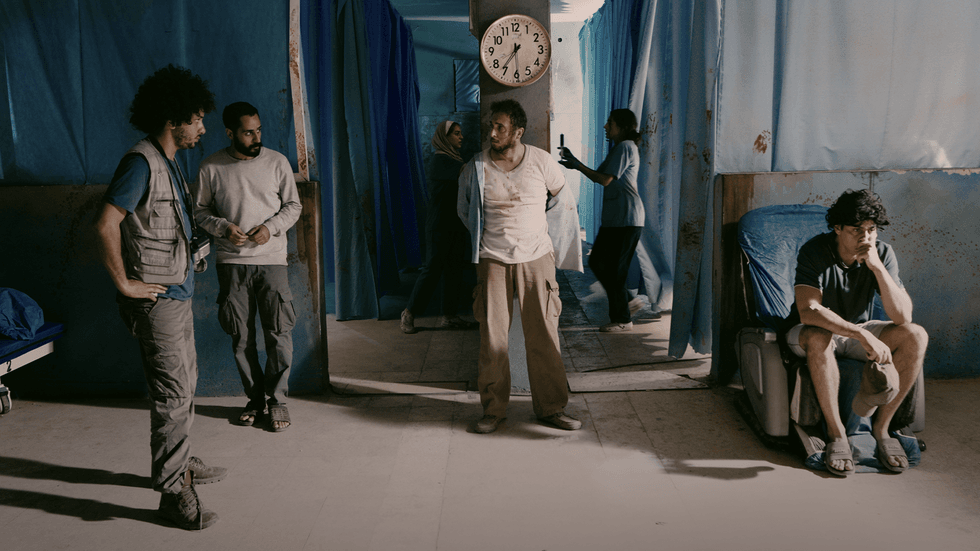
In Chronicles from the Siege, Palestinian filmmaker Abdallah Al-Khatib connects five stories of Palestinians living under military occupation, where ordinary aspects of daily life become questions of survival.
Mohanad Yaqubi’s Revolutionaries Never Die looks backwards through the 16mm archive of Lebanese filmmaker Jocelyne Saab, using footage filmed across Palestine, Lebanon and Iran between 1973 and 1983 as a way of engaging with memory and political history.
Other films turn towards displacement, identity and family. Concrete Land, by Asmahan Bkerat, follows a Black Palestinian Bedouin family navigating poverty and repeated displacement in Jordan, while Tunisian filmmaker Leyla Bouzid’s In a Whisper centres on a young queer woman returning to her family's home after her uncle’s death.
Stories of war, family and survival
The programme also brings more intimate stories of people navigating conflict and social upheaval.
The Station, directed by Sara Ishaq, transforms a women-only petrol station in Yemen into a space of humour and sisterhood as its owner tries to protect her younger brother from being recruited into the war.
Iranian filmmaker Ali Asgari’s A Bit of Light follows a doctor whose practice is shut after he treats anti-government protesters, forcing him to confront the responsibilities he has towards his family and community.
The Friend’s House Is Here, made secretly in Iran by Hossein Keshavarz and Maryam Ataei, follows a dancer and playwright creating political art within Tehran’s underground scene.
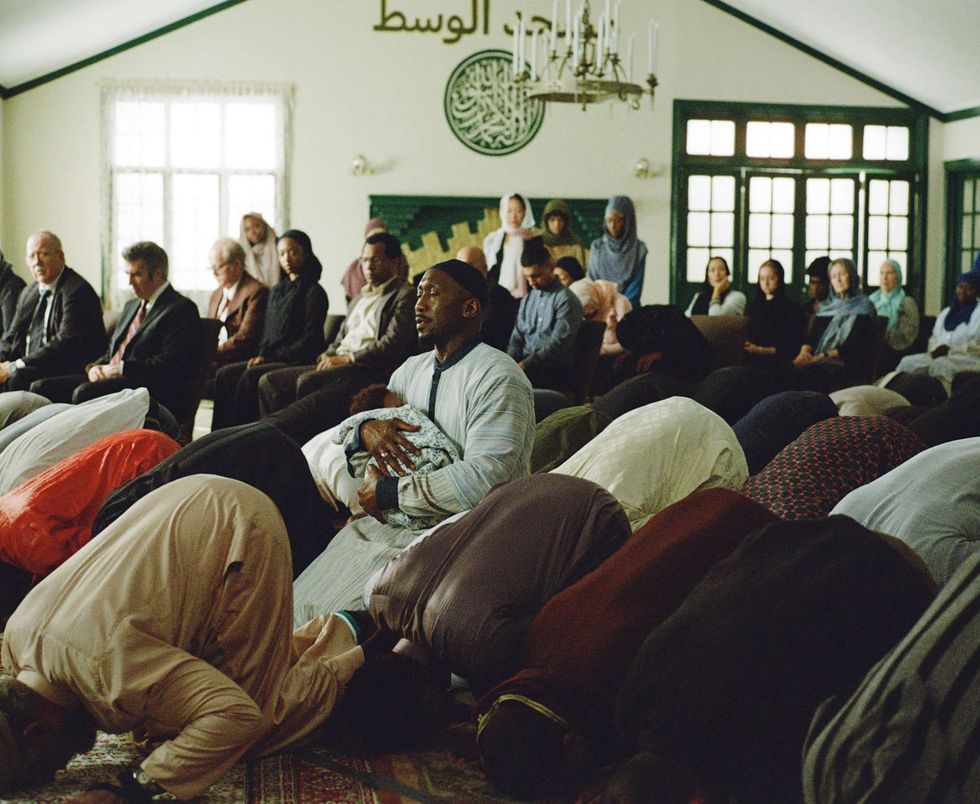
There is also room for genre cinema and international stars. Bassam Tariq’s Your Mother, Your Mother, Your Mother stars Mahershala Ali as a devout Muslim hitman who becomes a single father after his wife’s sudden death, while Anthony Wonke’s In the Shadows draws inspiration from the true story of Somali boxer Ramla Ali, with Jasmine Jobson playing a refugee who pursues boxing in secret before representing Somalia at the Olympic Games.
 Your Mother, Your Mother, Your Mother BFI London
A wider global programme
The MENA and south Asian selections form part of a much broader 70th-anniversary programme.
The 2026 festival will present 251 features, shorts, series and immersive works from 88 countries, including 33 world premieres. Women filmmakers account for 109 works, or 43 per cent of the overall programme.
The festival will take place across London, partner cinemas around the UK and BFI Player, giving audiences beyond the capital access to the programme.
BFI Members' priority booking opens at 10am on 10 September, followed by general sale at 10am on 17 September. Additional tickets will be released from 10am on 1 October.
For south Asian and MENA cinema in particular, this year's festival offers something more substantial than a regional showcase. From Pakeezah's restored grandeur to films confronting censorship, displacement and identity, the programme places both cinematic heritage and urgent new voices firmly within the conversation around contemporary world cinema.

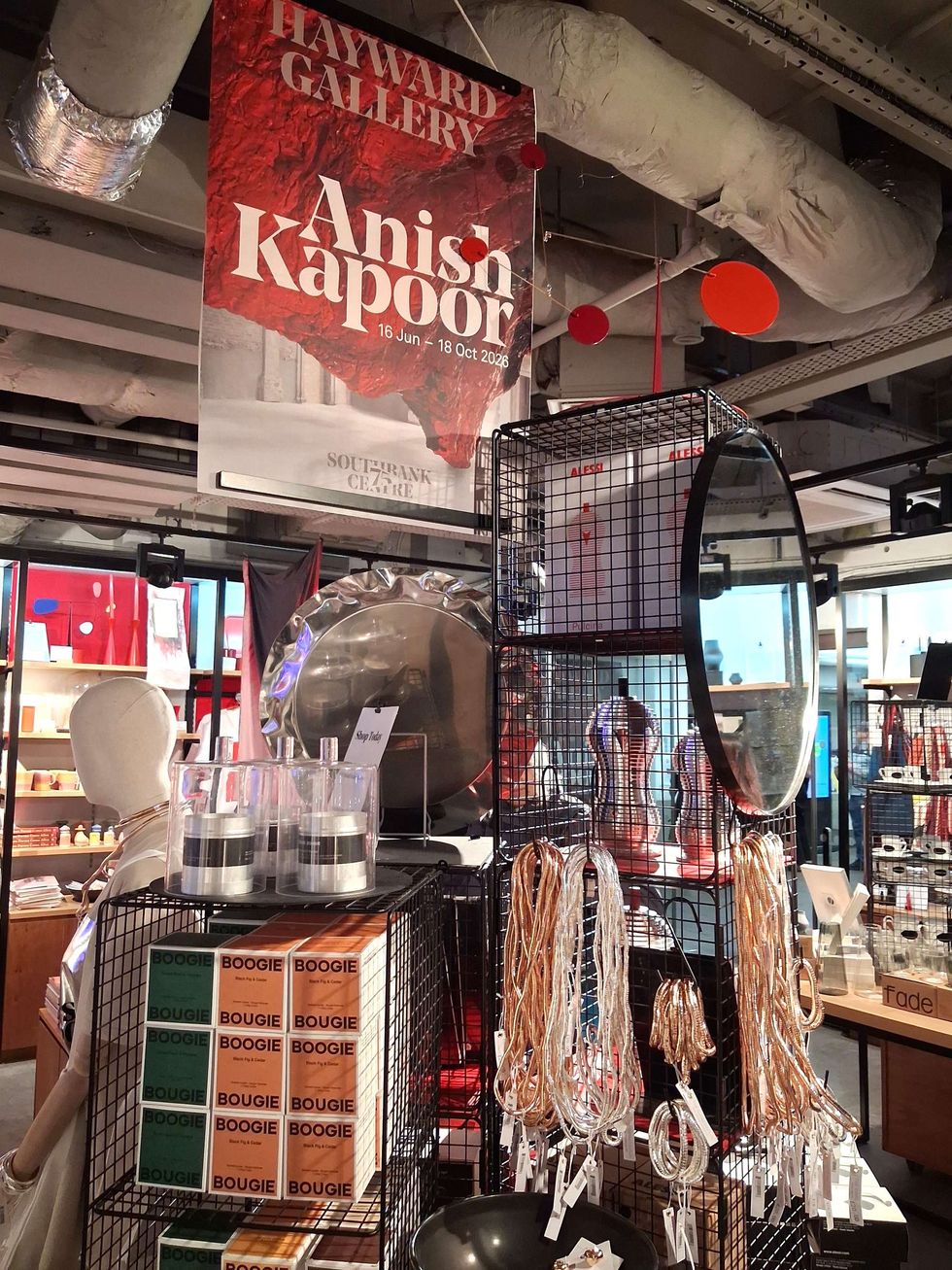 Anish Kapoor merchandise in the Hayward Gallery shopEastern Eye
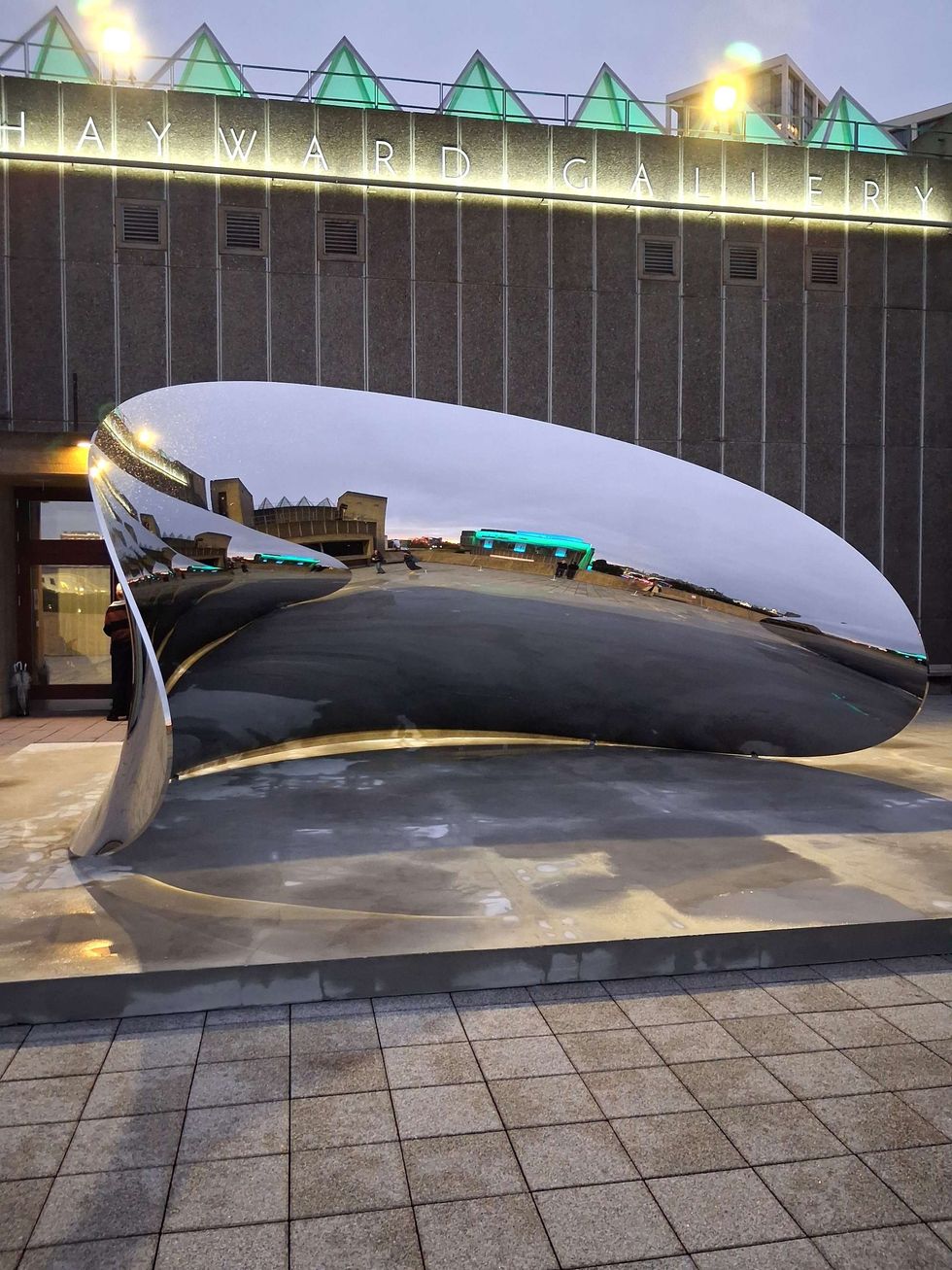 TsunamiEastern Eye
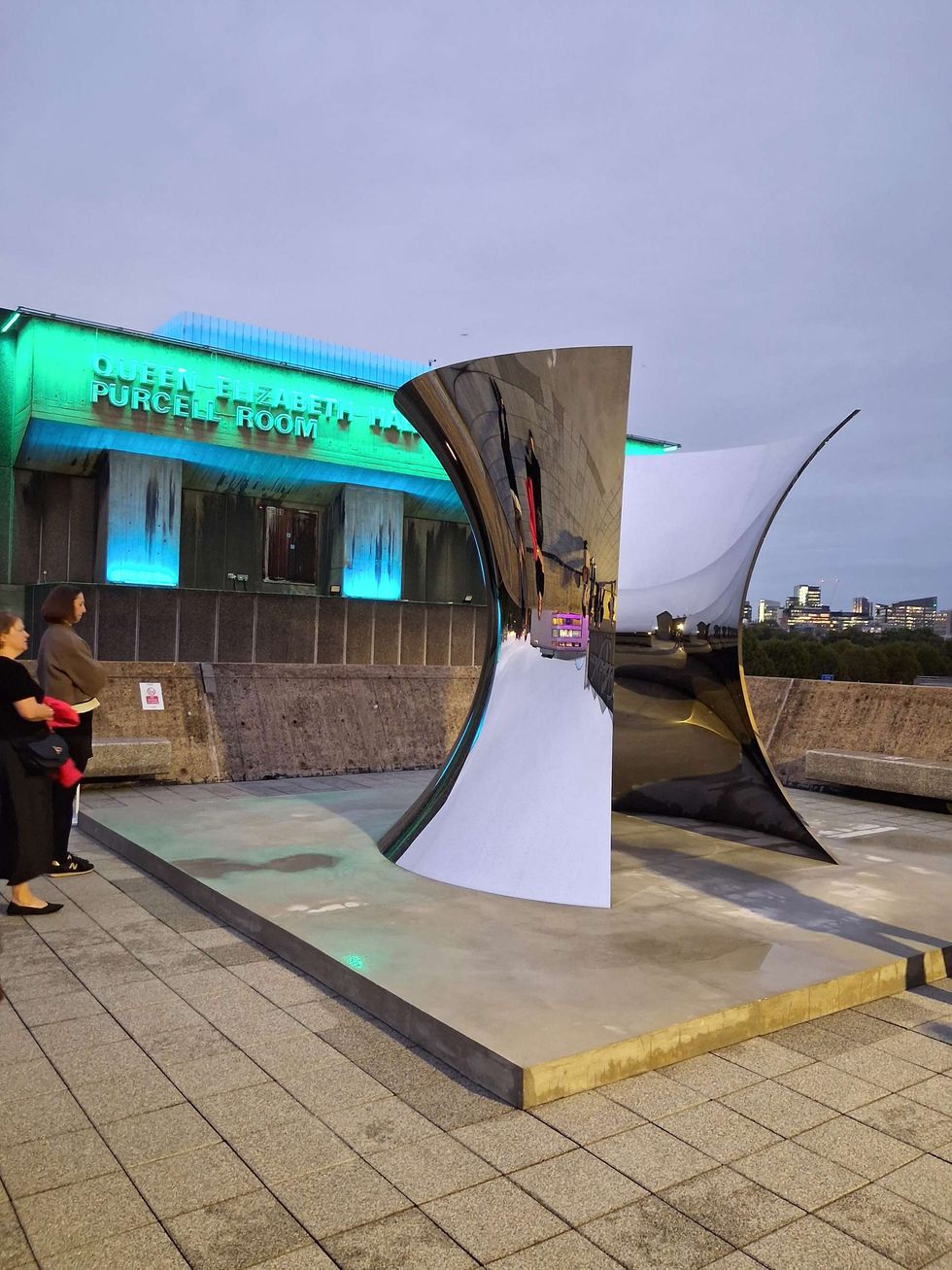 CloakEastern Eye
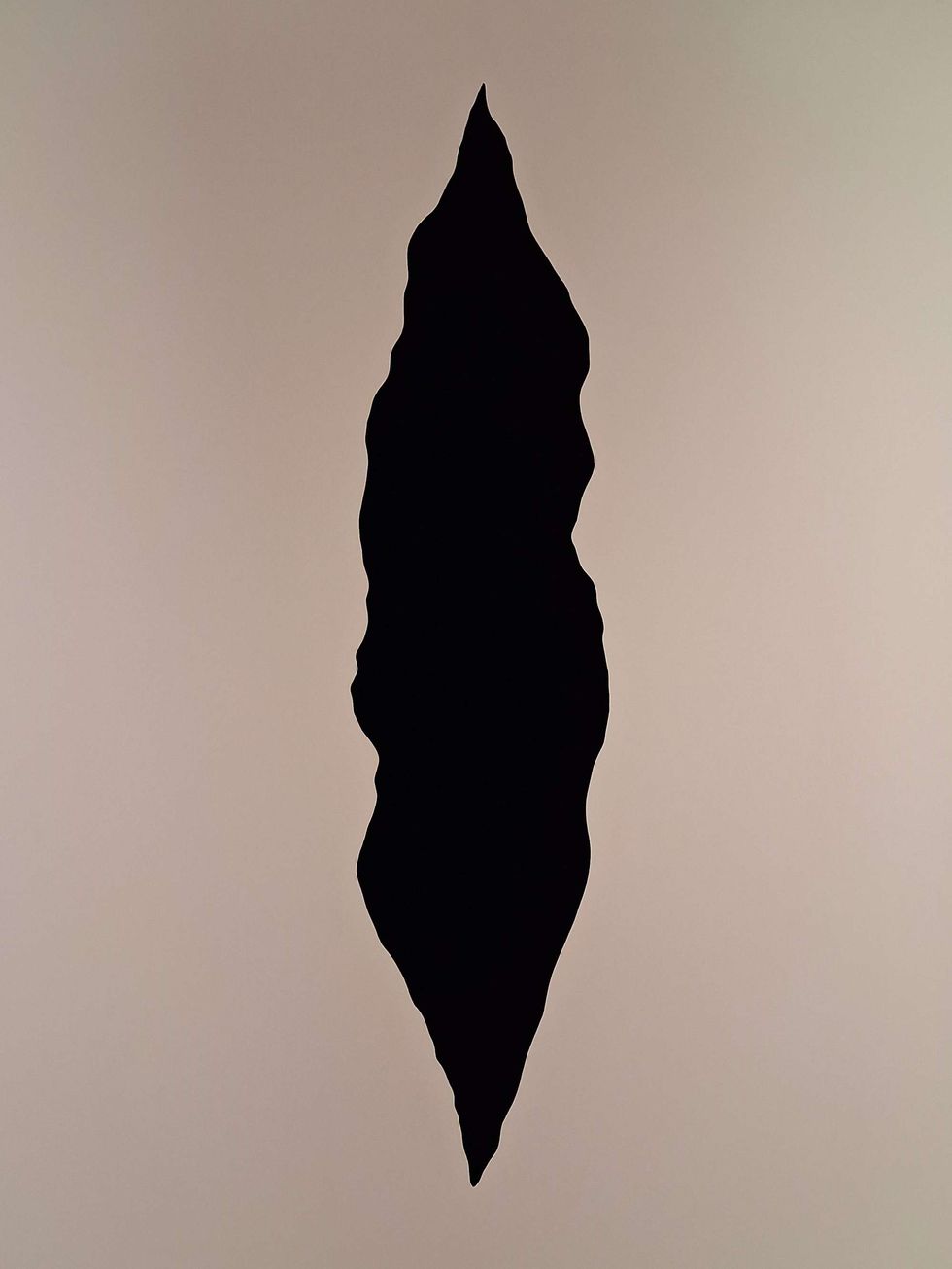 Untitled (work in Vantablack)Eastern Eye
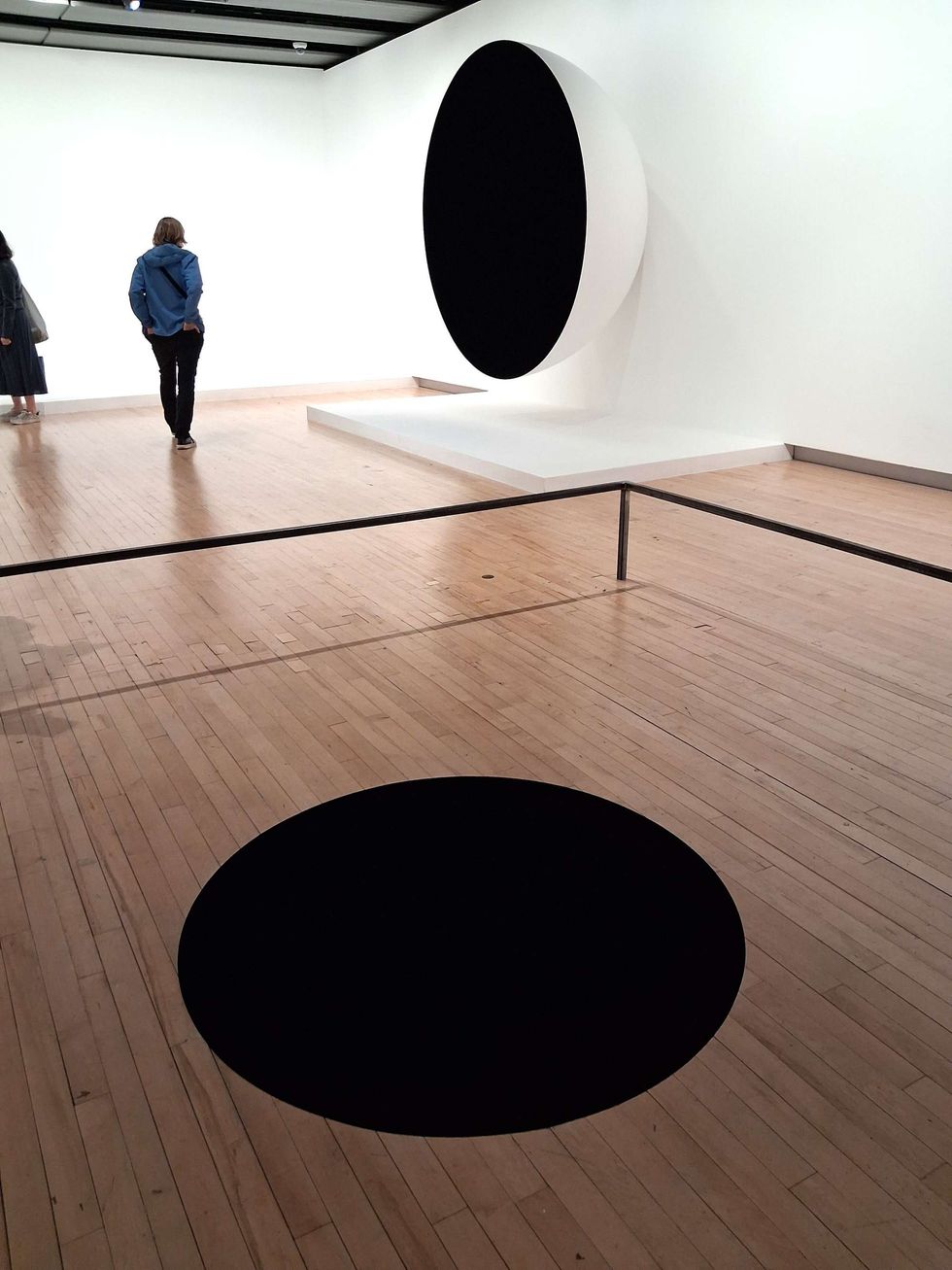 Descent into limbo (work in Vantablack)Eastern Eye
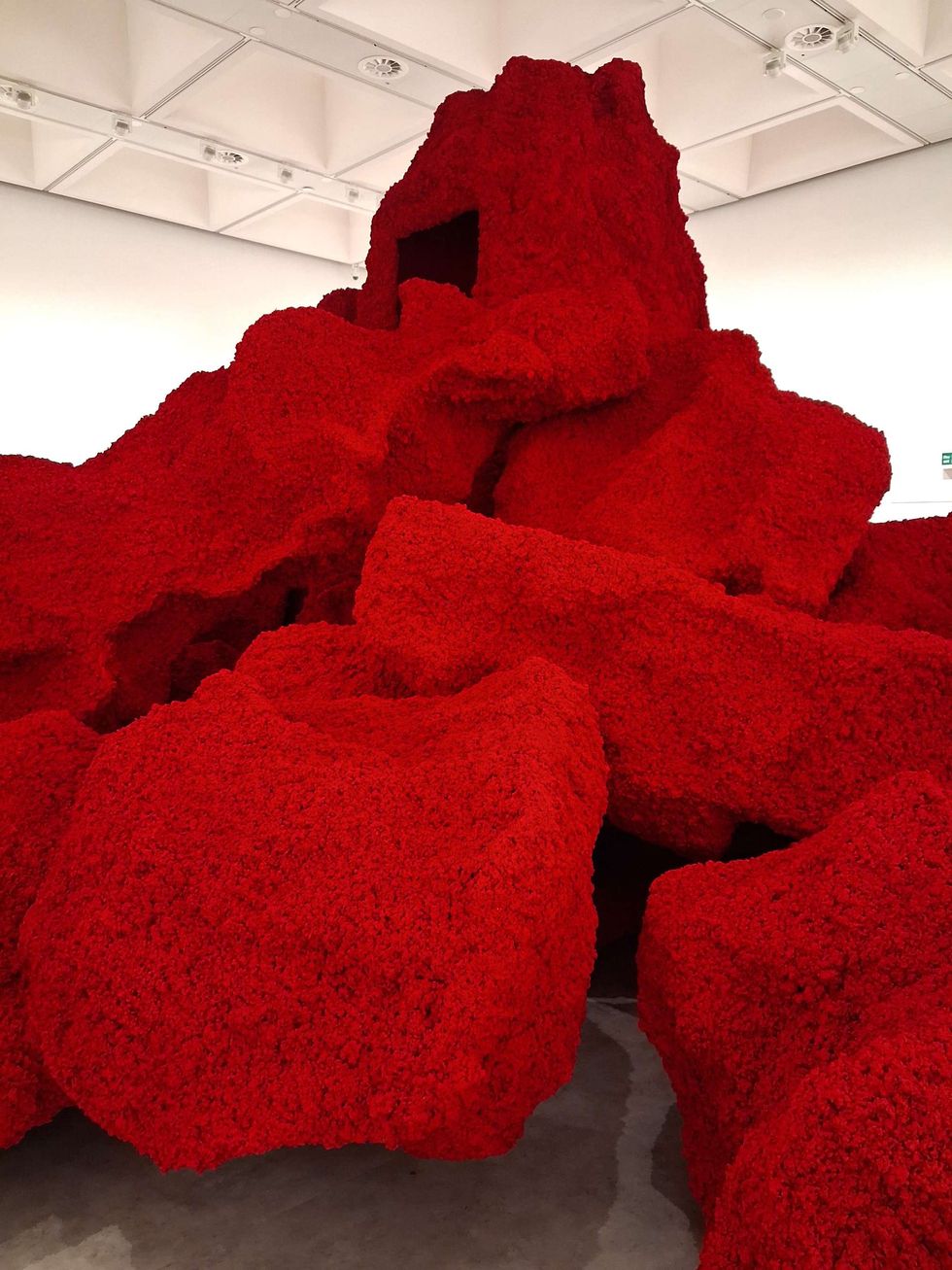 Ha MakomEastern Eye
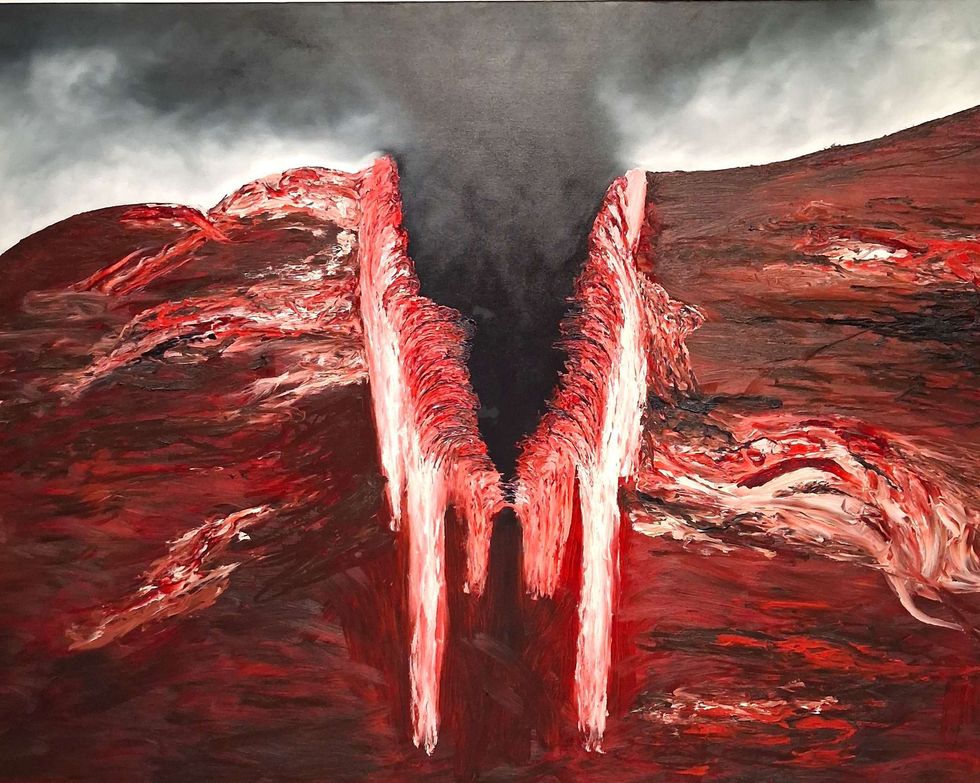 The Dark (oil on canvas)Eastern Eye
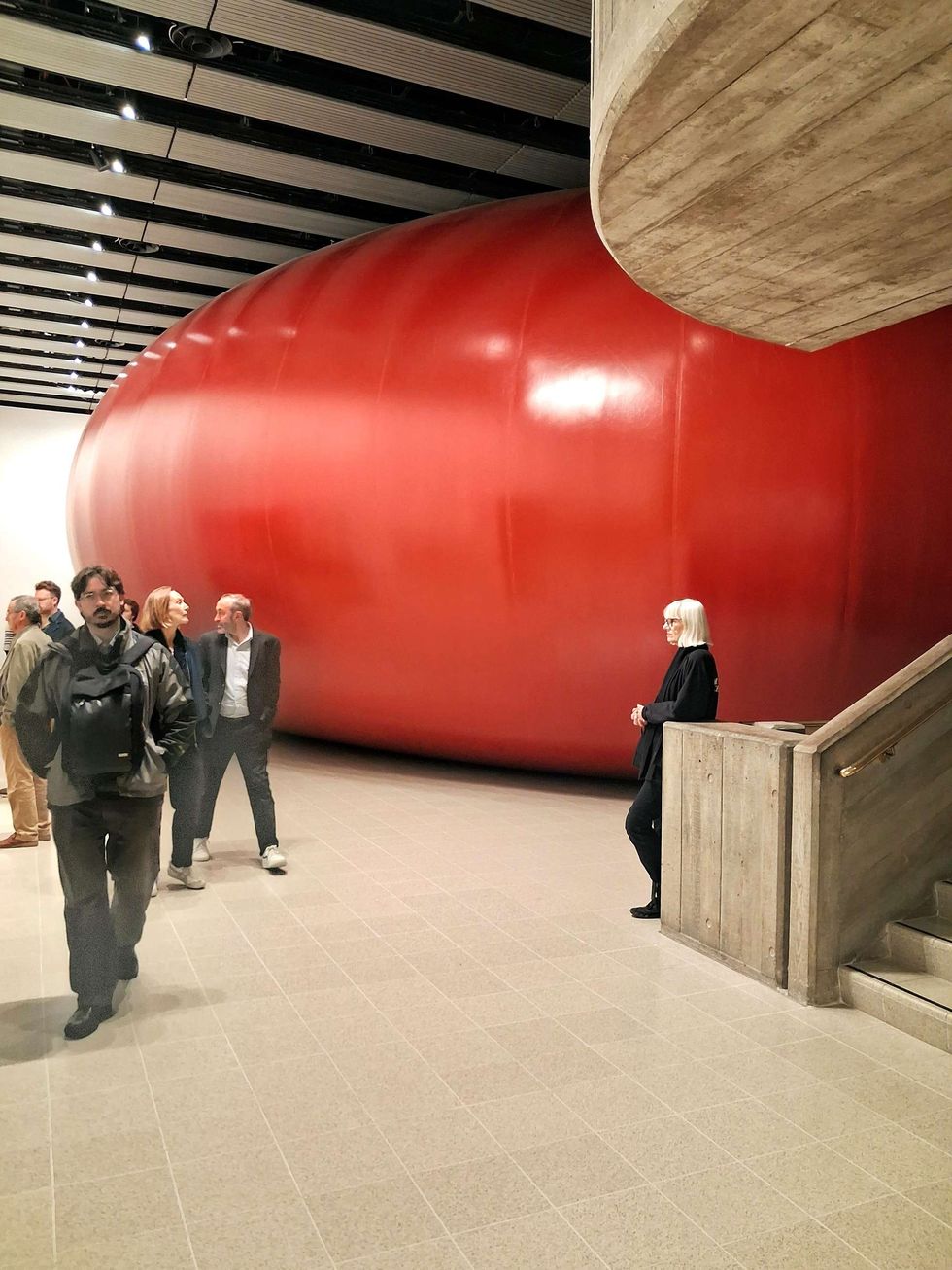 All is NothingEastern Eye
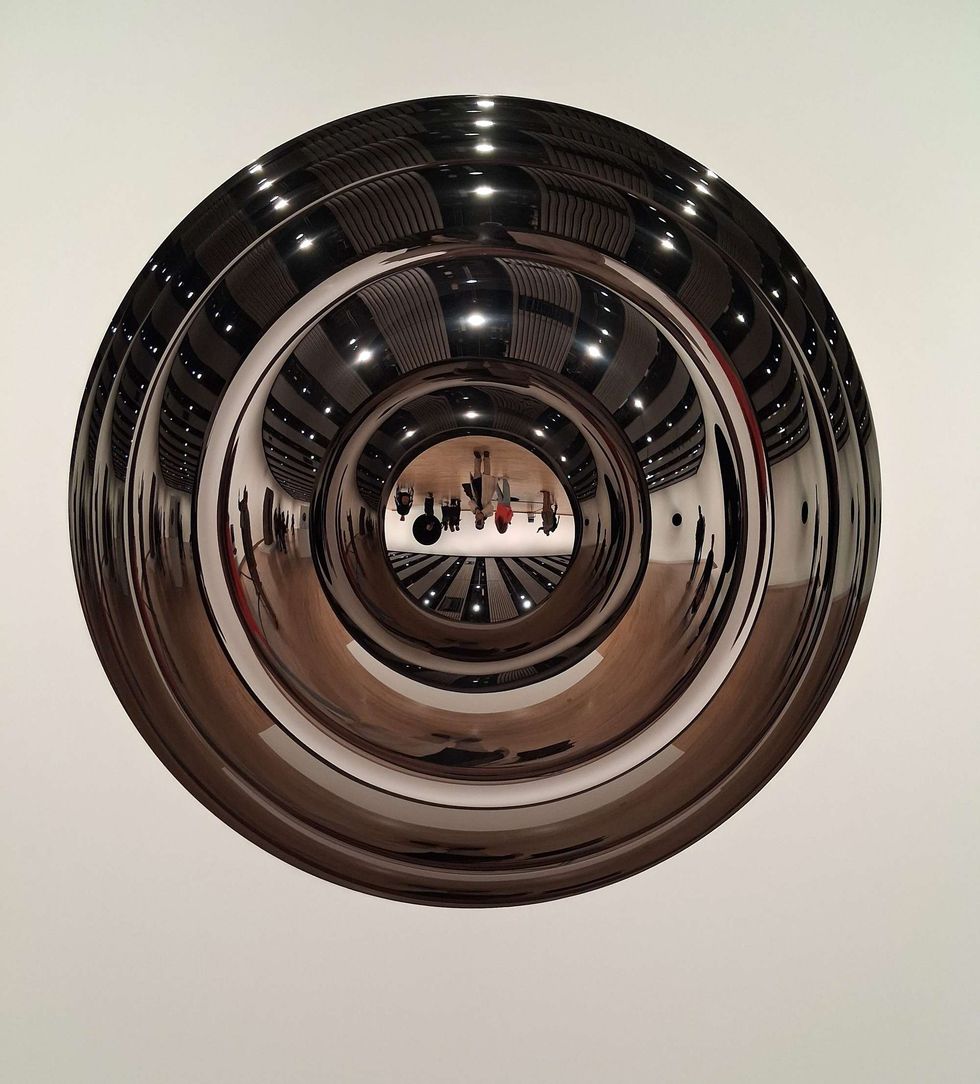 IrisEastern Eye
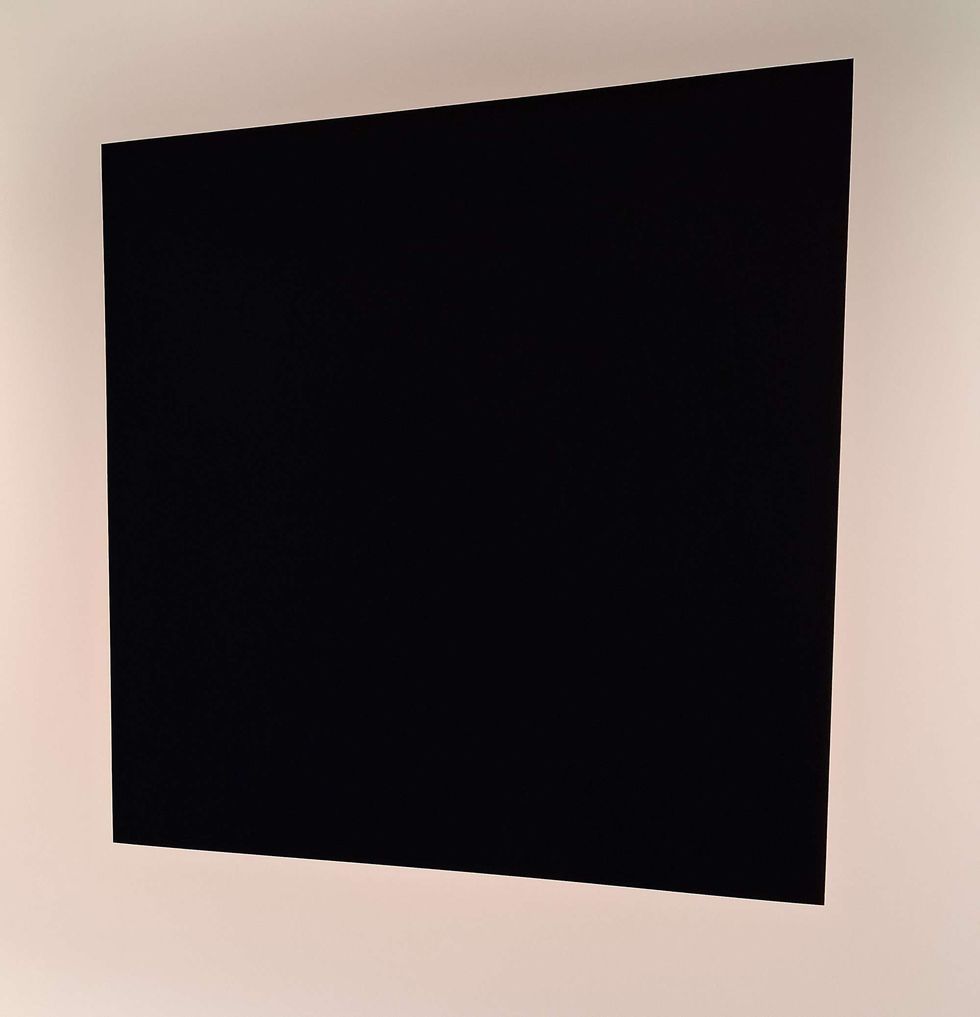 Untitled (work in Vantablack) Eastern Eye
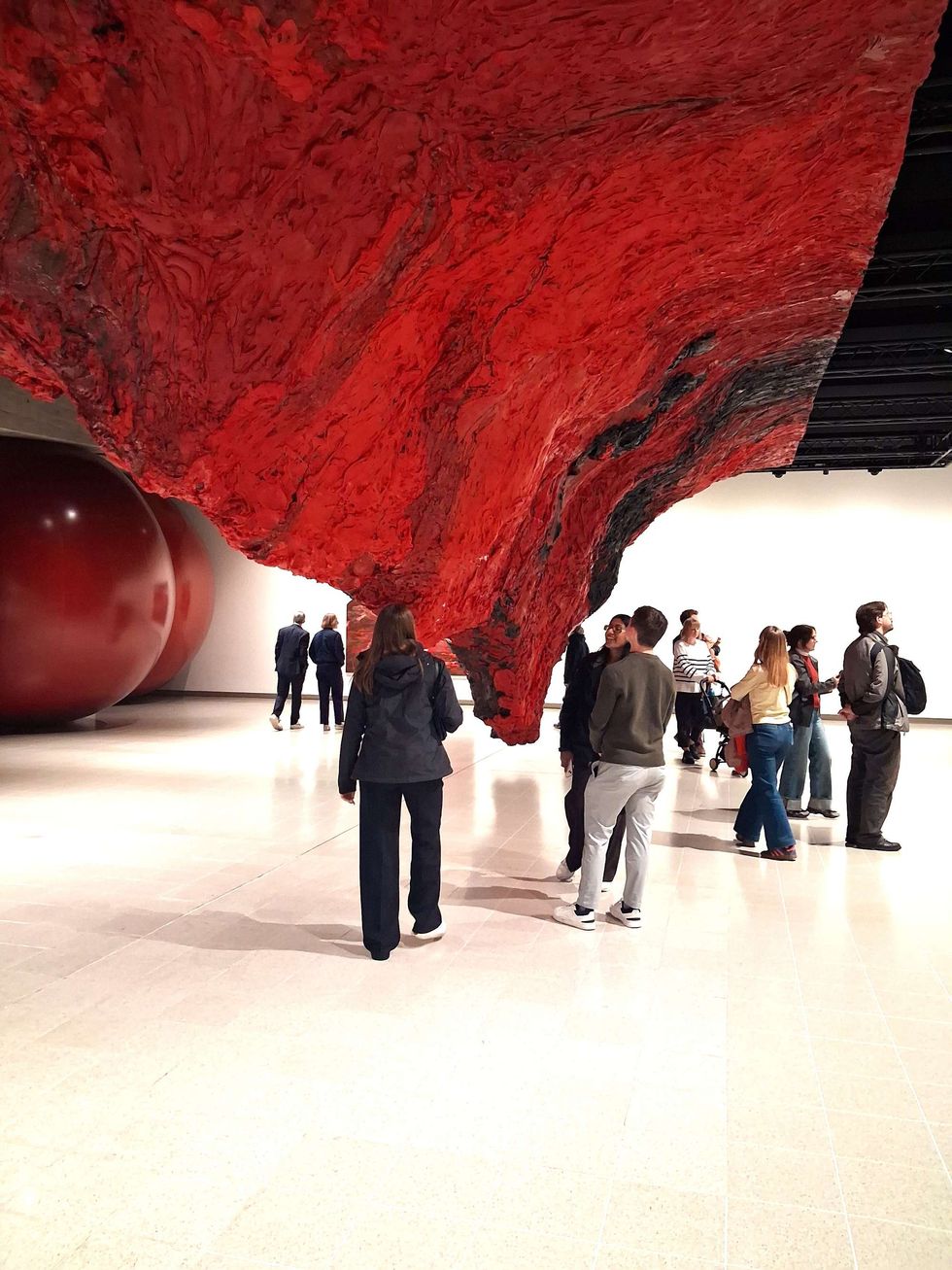 Mount Moriah at the Gate of the GhettoEastern Eye
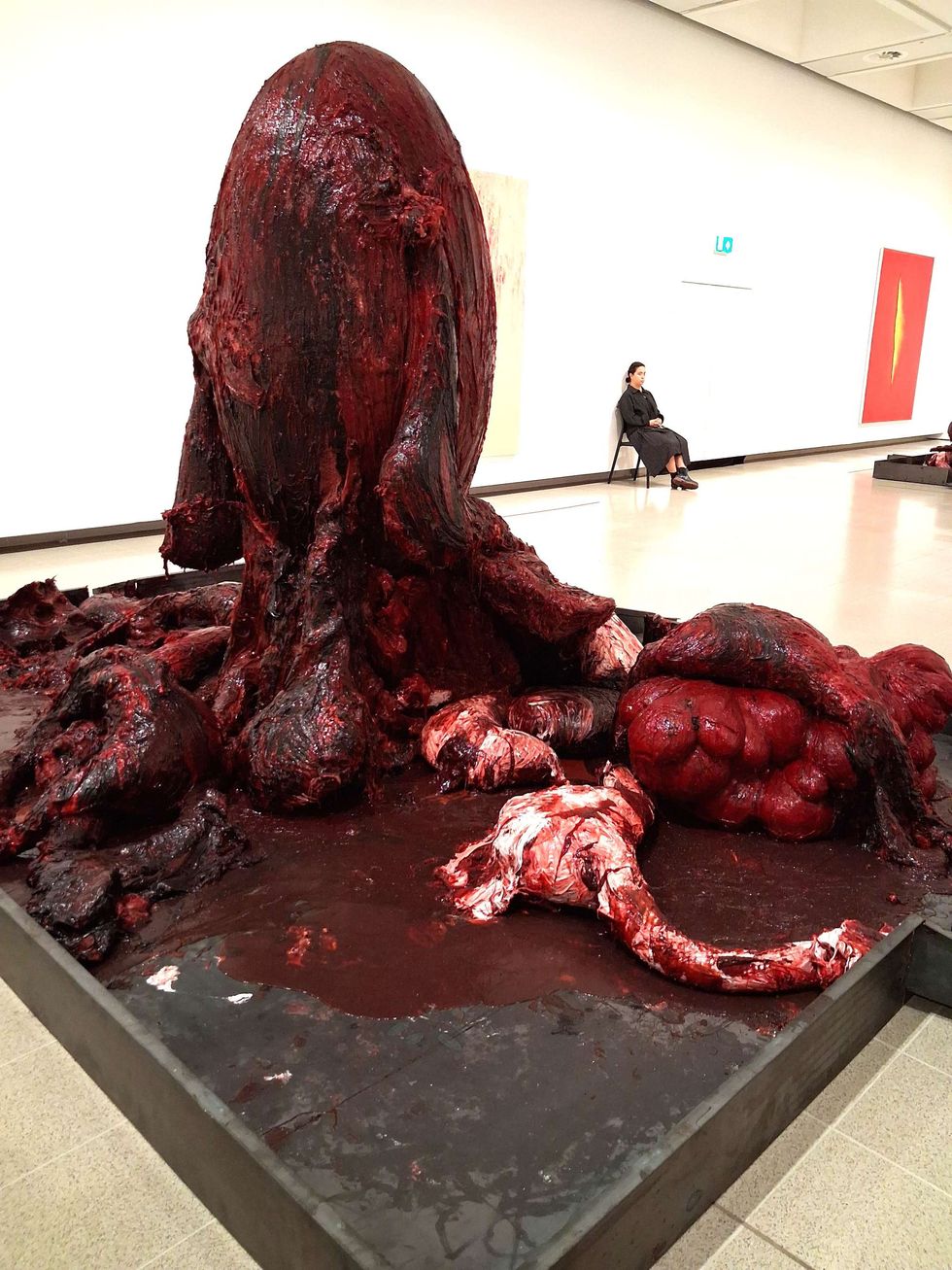 Interior of the body: evocation of ritual sacrificeEastern Eye