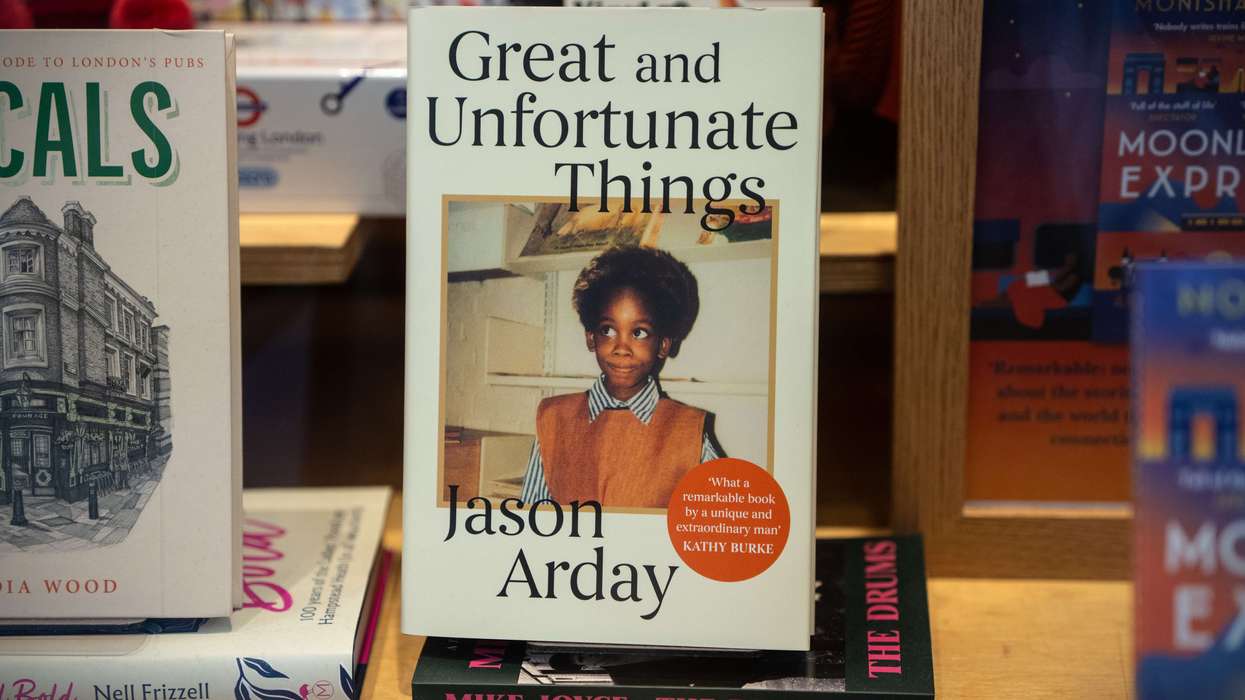

How far should academic freedom protect racist research? The question divides academics in Europe, Britain and the United States. Ghent University in Belgium is the epicentre of the latest furore – but with an umbilical link to Cambridge, and the recent controversy and tragedy of Professor Jason Arday.
Dr Nathan Cofnas describes himself as a “race realist”: a term chosen to spin for his belief that biological racism is true. Cofnas argues that there are innate genetic differences in intelligence – and brain size too – between ethnic groups, such as whites, blacks and Asians. He claims that a dozen heretics share his beliefs. Yet the academic consensus is that race science and eugenics have been comprehensively debunked.
Put simply, Cofnas is a racist, if racism means anything at all, though he prefers less pejorative labels. In a blog that sparked a storm at Cambridge two years ago, he wrote that “in a meritocracy, blacks would disappear from almost all high-profile positions outside of sports and entertainment.”
It is often reported that this blog got Cofnas fired from Cambridge, but that is mistaken. His employer, the university, decided it should take no action since the comments were lawful, if offensive. Cofnas completed his three-year early career fellowship and left when it ended. He was also College Research Associate at Emmanuel College, which decided to disassociate from him. Cofnas took Emmanuel College to court – and lost.
The court found the college did not discriminate against his beliefs, but took proportionate action based on the conduct by which he expressed them and the damage this did to its community, to which Cofnas could no longer make any useful contribution.“Please be mindful of your reporting,” the coroner asked the press, beginning the inquest into the death of Cambridge Professor Jason Arday. Cofnas sought the credit for sparking the media firestorm over Arday’s credentials, even casting it as something of a revenge mission. “This is what happens when you do not give Cofnas a job,” he told podcast host Winston Marshall, after Arday’s resignation (before the news of his death). “After the revolution, I will head the department of eugenics and race science at Harvard University,” he said, both joking and not joking at once.
His podcast comments – rather than Cofnas’s scrutiny of Arday’s PhD – were significant in Ghent University’s decision to suspend Cofnas while investigating.
Academics have been taking sides. An open letter in defence of Cofnas argued he was being punished for whistleblowing, gathering almost a thousand signatures. A rival letter, endorsing the suspension, organised by academics in Ghent itself, argued that questions about Cofnas’ appointment predated the Arday controversy. The suspicion was that an ideological ally had created a role for him, rather than appointing him on merit. This mobilised almost five thousand signatures, more than half from the EU, including many Belgian academics. British academics were about a fifth of the initial signatories of both letters.
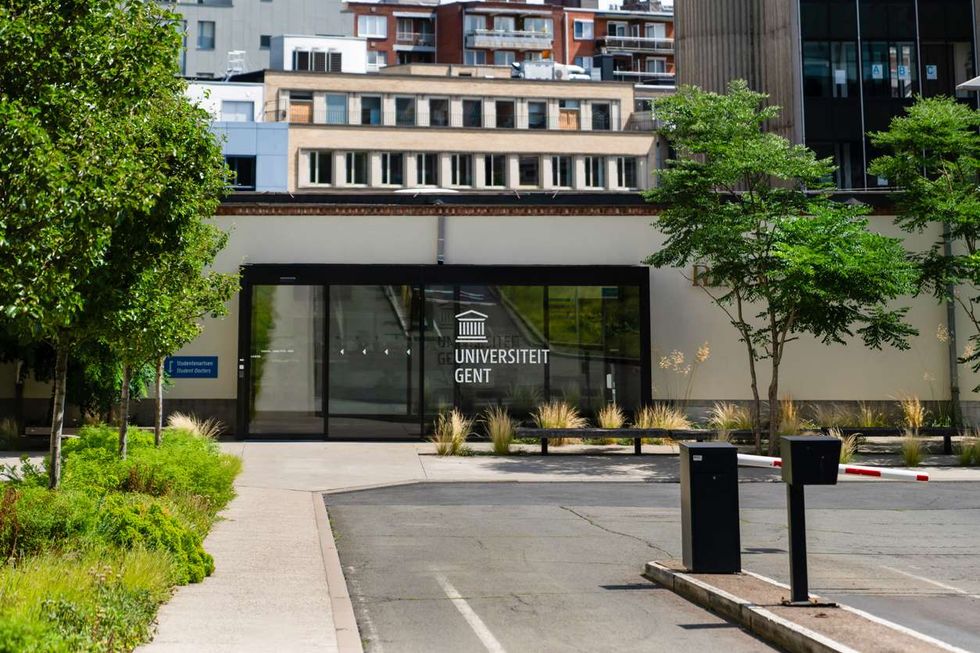 Ghent University iStock
Cofnas opposes academic freedom for his opponents, advocating for “purges” of those who believe in the “woke” idea of equality between the races. He involved the US ambassador to Belgium in the Ghent dispute, representing an administration that is no friend of free speech, using its financial muscle to intimidate universities into dropping research it does not like, on equality, race, feminism or climate change. The Trump administration will pour millions of dollars into allies in Europe opposing demographic change and so-called “civilisational erasure”. Cofnas can expect lucrative opportunities if he does leave academia.
Ghent University has lifted Cofnas’s suspension, while requiring him to work remotely. The university’s code prohibits spreading ideas of racial superiority. Ghent will continue to investigate whether his comments outside his research role merit sanctions.
Free speech and academic freedom are often used almost synonymously – but are not identical. Free speech is for trolls, too. Academic freedom requires some substantive subject expertise. The court judgment quoted one Emmanuel college student: "The College would not associate itself with an astronomer who believed that the sun orbited the earth, or a medic who believed scrofula could be cured by the touch of a king. The claim black people are only fit to be sports stars and entertainers has no more validity.”
Cofnas’s critics in Ghent argue that he was employed to work on a project about liberalism, not his race science interests. Yet the research project that Cofnas was employed to work on is on “liberalism’s birth problem” – with a ‘demographics is destiny’ premise that too much migration will fill liberal countries with illiberal people.The courts give academics expansive protection for research that other people find offensive, and racist, too. Quite dubious research – into race and genetics, or Zionist networks – has been protected; though public comments about black or Jewish students can be sanctioned by employers. Yet it must also be the job of the academy to protect the threshold of standards that academic freedom purports to protect.