
Highlights:
Women working in Britain’s arts sector are warning that opportunities can become harder to find as they grow older, with a new report revealing the extent to which sexism and ageism continue to shape careers.
Almost all, 95 per cent, of women surveyed said gender inequality still exists in the arts, while 75 per cent said they had experienced unconscious bias or sexism during their careers. More than two-thirds, or 69 per cent, said their age had negatively affected their career success. Among women working in artistic roles, that figure rose to 100 per cent.
The findings, based on a survey of 76 arts professionals, paint a bleak picture of an industry where women can feel increasingly invisible as they get older. The report also warns that the growing use of artificial intelligence in recruitment could make existing inequalities worse.
‘There are fewer roles as women get older’
For many performers, the problem is not simply a lack of work but a shrinking sense of where they fit within an industry increasingly obsessed with youth.
One actor said casting opportunities appeared to “drop off at 39”, while another said there were twice as many roles available for her male colleagues. For actresses over 50, she said, opportunities were even fewer.
Women also highlighted the double standard around ageing on screen and stage. Younger actresses are frequently cast opposite older men in roles where the characters are supposedly of a similar age, reinforcing the idea that women must remain youthful to remain desirable or employable.
The report found that this pressure extends beyond casting. Writers’ schemes and initiatives for emerging artists were often seen as geared towards young or recently graduated talent, leaving fewer opportunities for people developing their careers later in life.
One respondent questioned the industry's constant use of terms such as “young and emerging”, saying there appeared to be little celebration of artists who were “experienced” or “seasoned”.
The result, she suggested, is an industry that can treat anything that is not new as though it has lost its value.
Older women say experience is being wasted
The consequences are not merely financial or professional. For women who have spent decades building creative careers, being overlooked can feel like a rejection of the knowledge and experience they have accumulated.
The report argues that older women bring valuable life experience, technical expertise and professional knowledge to the arts, yet much of that potential remains underused.
The actor Maureen Beattie, who has worked with the Royal Shakespeare Company and appeared in Casualty, said age discrimination was one of the major issues facing women in entertainment.
Beattie, now 72, recently returned to the stage to play Lear in Pitlochry. She described herself as one of the “lucky ones” to have continued receiving substantial roles.
She called for more “great big meaty roles” for women, warning against the continued loss of the “great talent and life knowledge and technical skill” older women can offer.
AI could deepen existing discrimination
The report also raises concerns about the role of artificial intelligence in recruitment and hiring.
Researchers warn that AI systems trained on historical employment data can reproduce existing patterns of discrimination rather than remove them. For women, career breaks linked to caring responsibilities could potentially be interpreted negatively by automated systems.
That creates a particular concern for older women, whose careers may already have been affected by caring responsibilities, unequal opportunities and discriminatory attitudes.
Dr Jennifer Tuckett, chief executive of Women in the Arts and the report's author, said the findings on age discrimination against older women were particularly worrying.
The research suggests that the problem is not simply about individual acts of sexism but a wider culture in which youth is repeatedly rewarded while experience is overlooked.
For women who have spent years contributing to Britain's creative industries, the message can be a painful one: the longer they stay in the profession, the harder it may become to be seen.

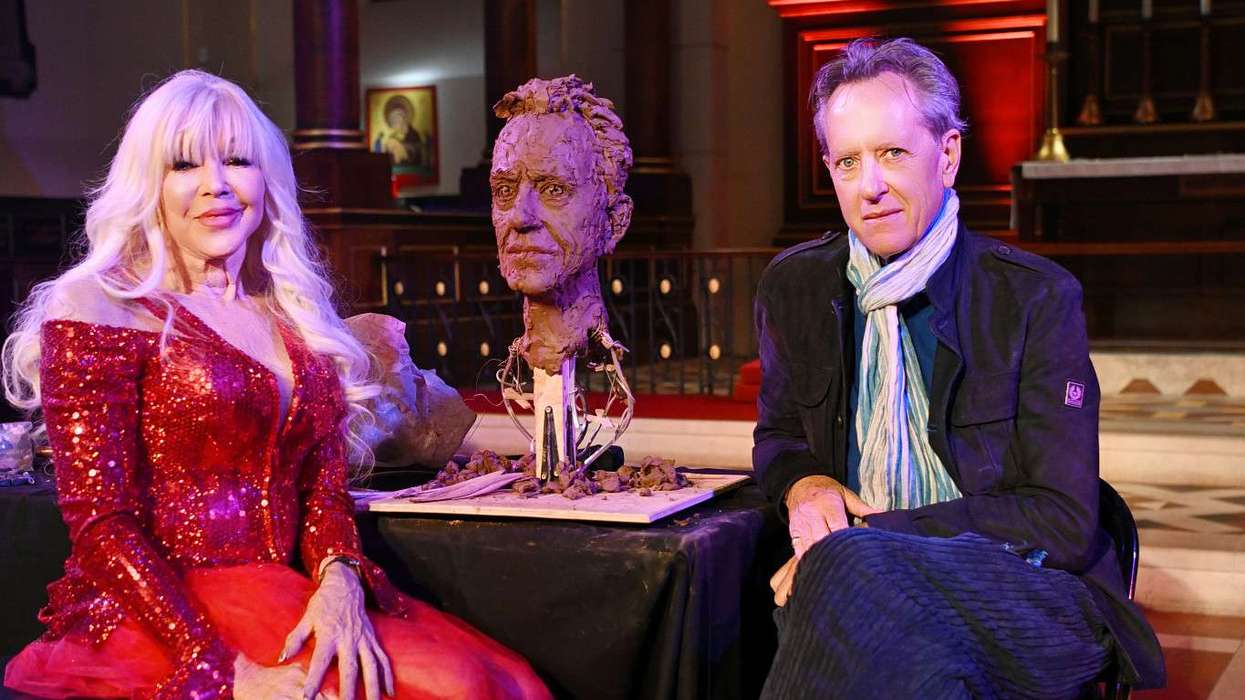
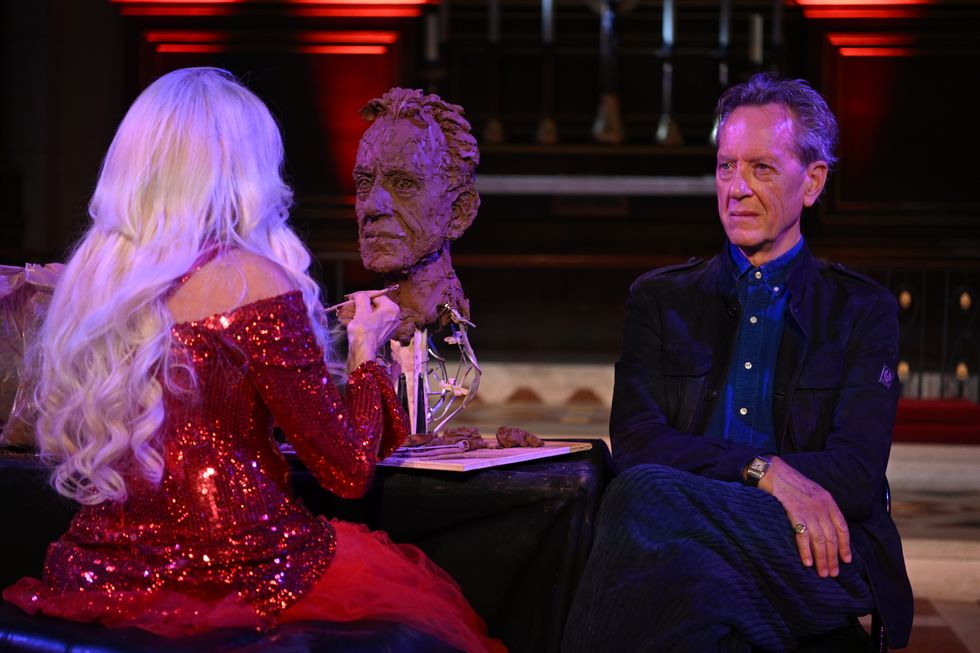 Frances Segelman makes bust of Richard E GrantSophie Dunne
 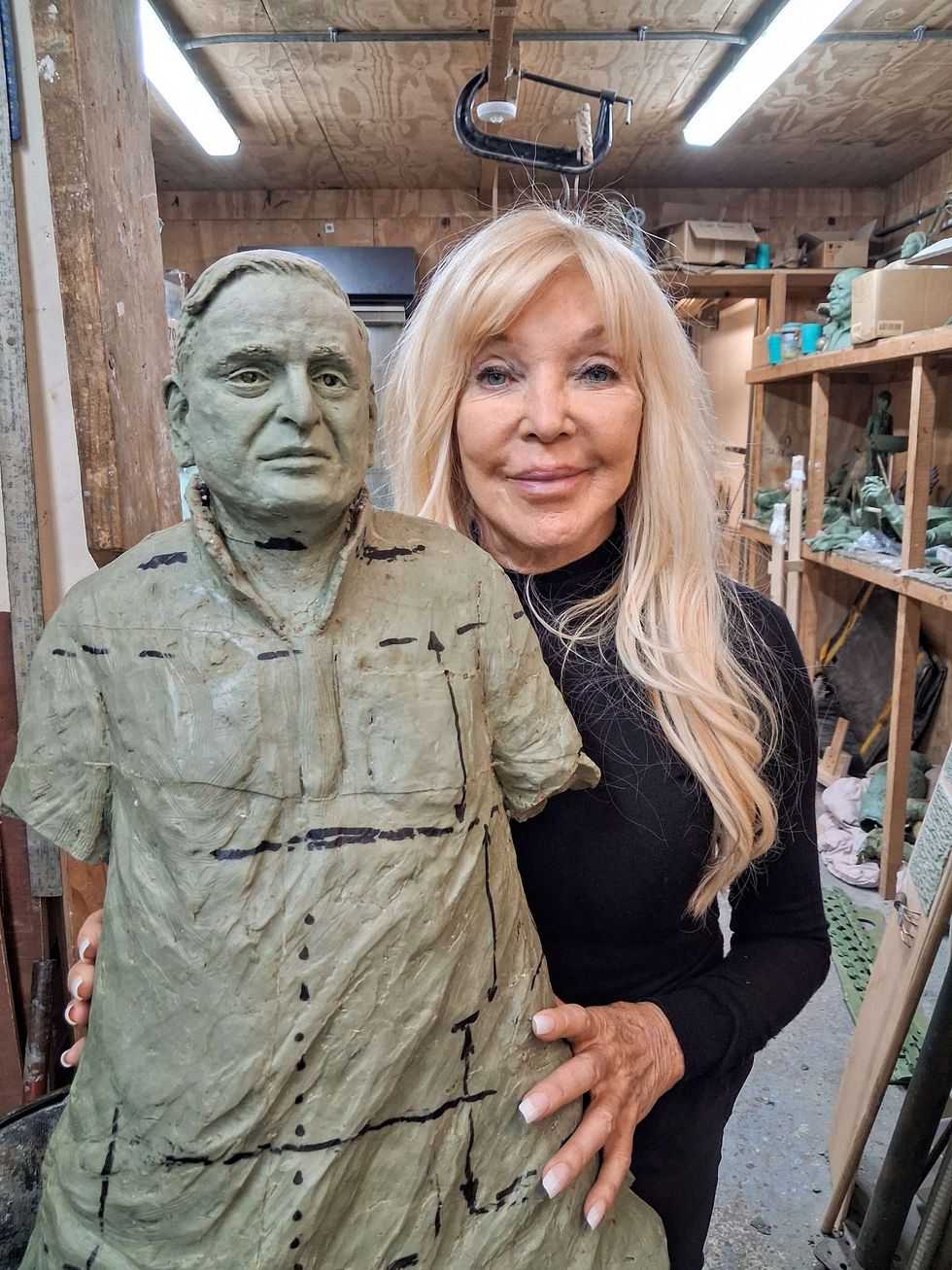 Frances Segelman with maquette of Mulayam Singh Yadav Sophie Dunne
 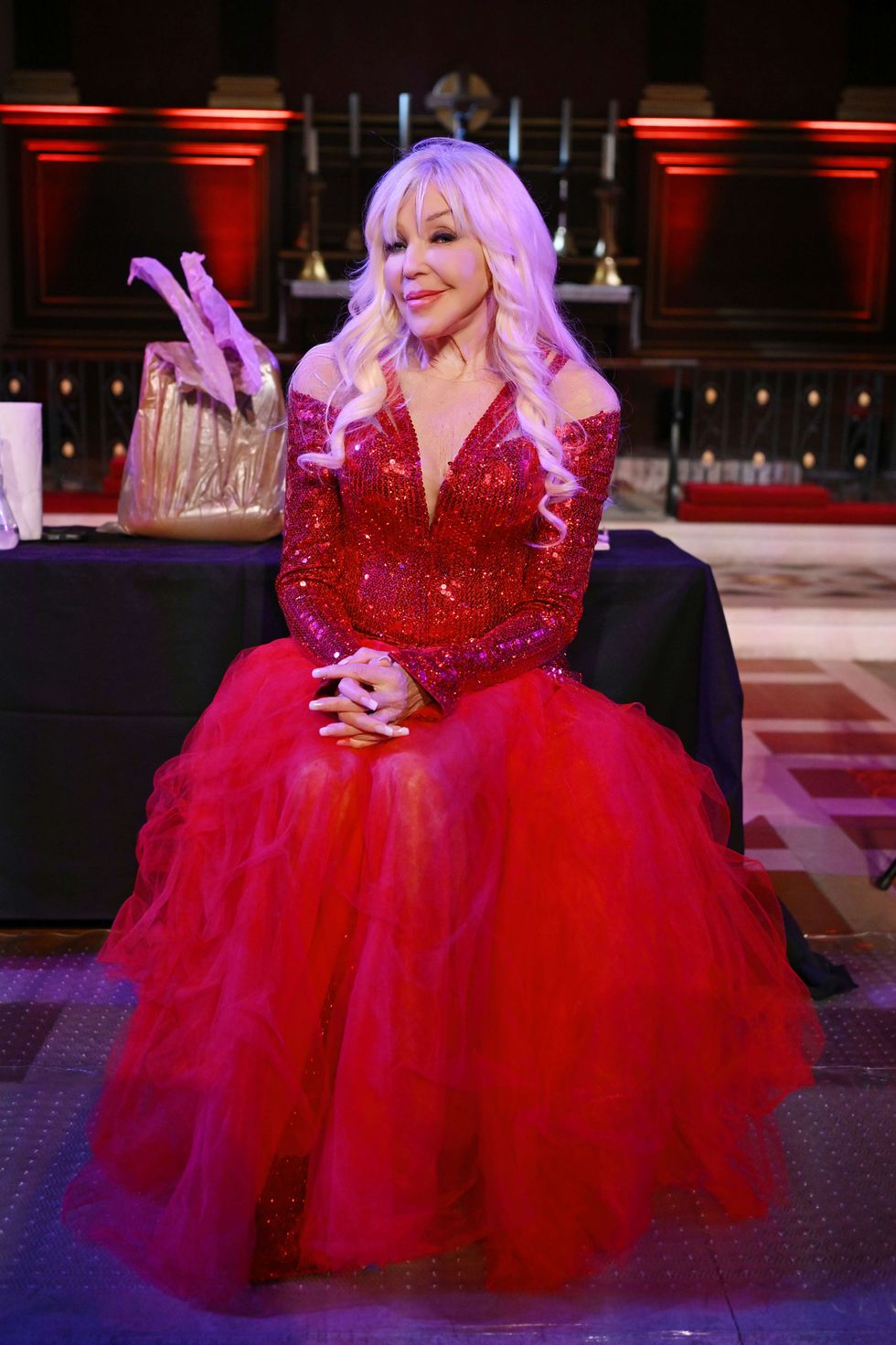 Frances Segelman was dressed by KruszynskaSophie Dunne
 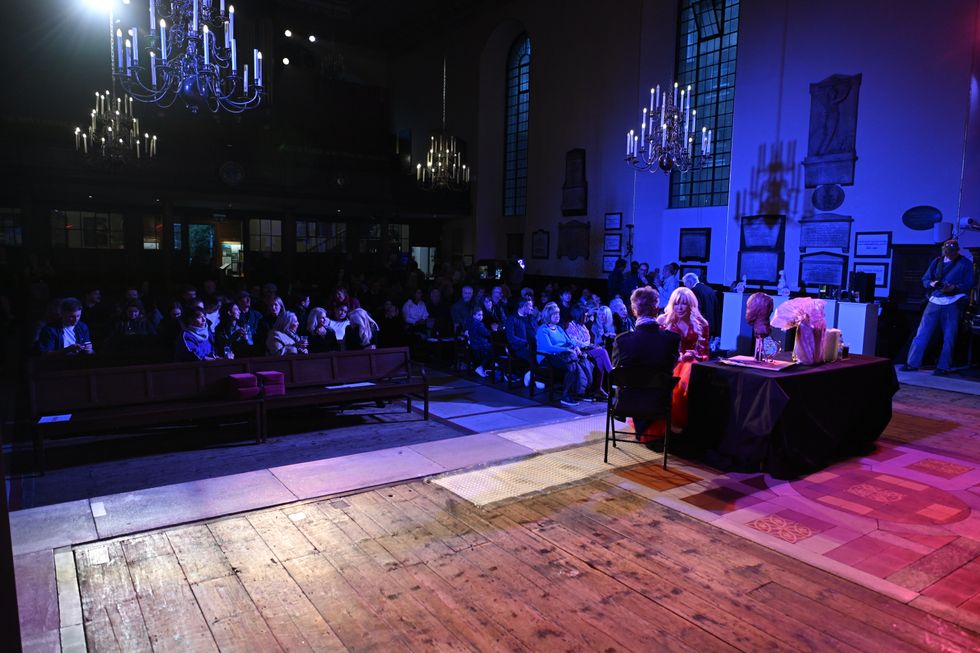 Frances Segelman live sculpting Richard E Grant in Actors' Church in Covent Garden.Sophie Dunne