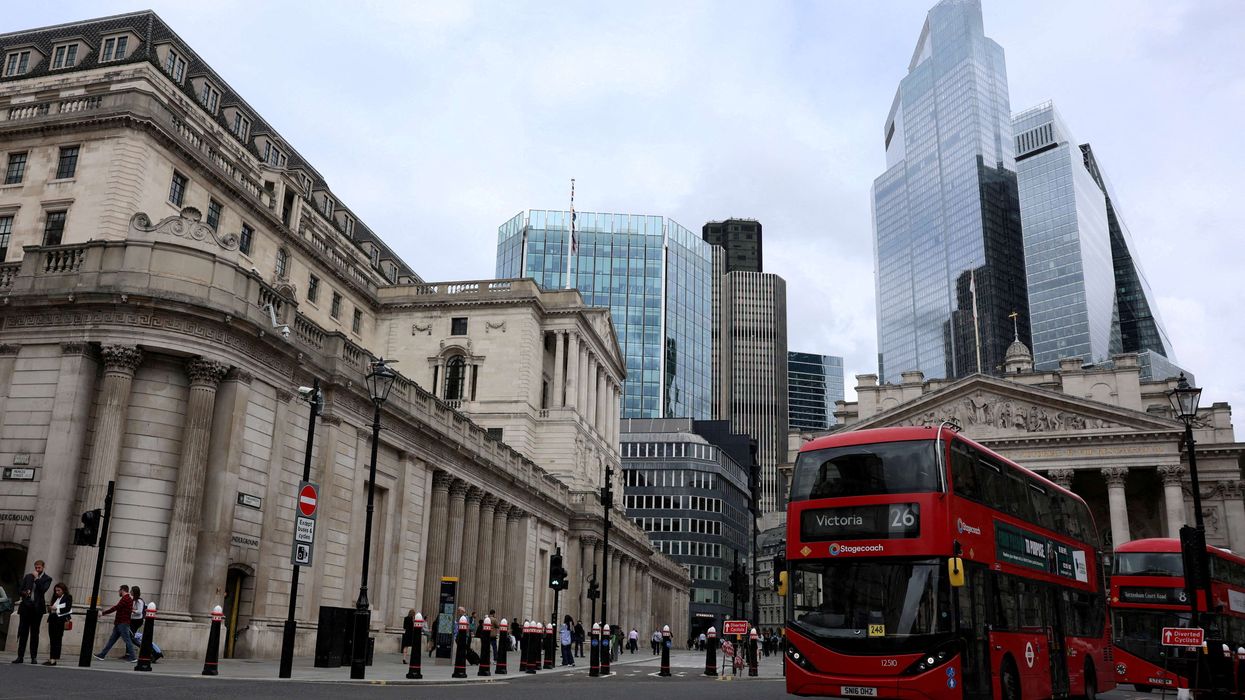

- Bank of England expected to raise rates from 3.75 per cent to 4 per cent
- It would be the first rise since August 2023
- Inflation hit 3.5 per cent in September, above the Bank’s forecast
- Markets are betting on several more rises in 2027
THE BANK OF ENGLAND is expected to raise interest rates on Thursday for the first time since August 2023, as soaring energy costs push up inflation.
Economists polled by Reuters expect Bank Rate to rise from 3.75 per cent to 4 per cent. But the Bank may push back against financial markets, which are betting on three or four more quarter-point rises in 2027, taking rates to between 4.75 per cent and 5 per cent.
Inflation running hot
Inflation rose to 3.5 per cent in the year to September, above the Bank’s July forecast of 3 per cent. In September, the Bank warned it could rise above 4 per cent early next year.
UK Interest Rates Could Hit 5% by 2027, Economists Doubt
The Bank was criticised for underestimating how persistent inflation would be when energy prices last surged, and is wary of being caught out again.
Governor Andrew Bailey has said the Bank cannot wait for conclusive proof that higher inflation is feeding into wages and prices, or it will act too late.
“Their hands are increasingly being forced, whether they like it or not,” said Stefan Koopman, senior macro strategist at Rabobank. “That time is now.”
The Bank’s rate-setting Monetary Policy Committee voted 6-3 to hold rates in September. The Reuters poll points to a 7-2 vote for a rise this time, with external members Alan Taylor and Swati Dhingra expected to vote to hold, citing spare capacity in the economy.
How far will rates go?
Even hawkish committee members may be reluctant to endorse markets’ expectations of further increases.
Healey unveils budget with cost-of-living support and tax rises
“It’s possible that the meeting minutes or Bailey ... signal that Bank Rate is unlikely to reach the level that is priced in by financial markets,” said Alexander Harvey, UK economist at Oxford Economics.
Investors will also watch for the Bank’s first assessment of Chancellor John Healey’s budget last week. Economists said its support for households facing higher energy bills would only slightly reduce the expected rise in inflation.
The decision is due at 12pm on Thursday, with a press conference at 12.30pm.
(With inputs from agencies)