
Highlights
- Burnham says he is willing to consider a formal apology for Britain's role in slavery.
- Prime minister rejects financial reparations, saying Britons today cannot be held liable for historical wrongs.
- King Charles says he will not shy away from confronting Britain's past.
- Caribbean leaders seek debt relief, development funding and other forms of reparatory justice.
- Antigua and Barbuda prime minister welcomes dialogue but says Caribbean demands remain unchanged.
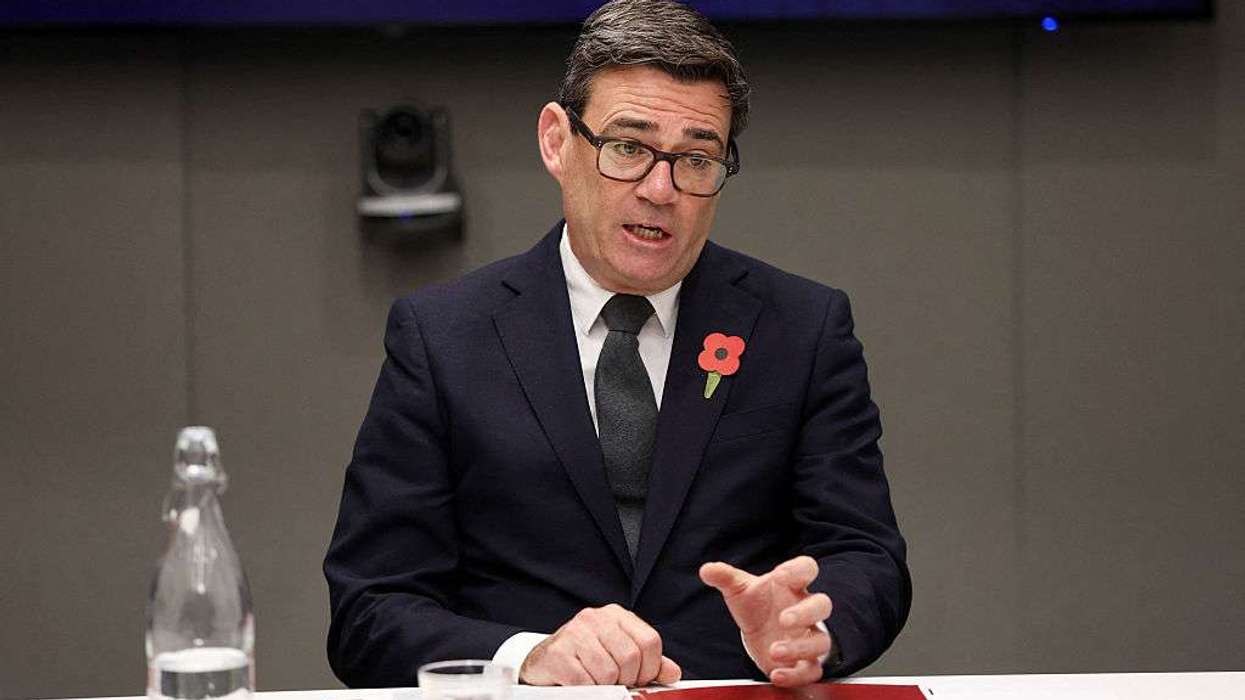
PRIME MINISTER Andy Burnham has said he is open to calls for a formal apology for Britain's historical role in slavery, before attending next week's Commonwealth summit at which he is likely to face demands for financial reparations.
Writing in the Guardian newspaper, Burnham said Britain was "offering a structured dialogue with those affected by the transatlantic slave trade", in which at least 12.5 million Africans were abducted and sold into slavery.
"Listening to calls for a formal apology on behalf of the British state will form an important part of this process, and I am open to them," he added.
But Burnham rejected calls for financial reparations, writing: "I do not think that British people today can be held liable for historical wrongs, however heinous, that happened in a different age under different laws and in which they played no personal part."
From the 15th to the 19th century, millions of Africans were sold into slavery by European traders, with Britain transporting an estimated 3.2 million people across the Atlantic, according to the Trans-Atlantic Slave Trade Database.
Ahead of the Commonwealth Heads of Government Meeting in Antigua and Barbuda, a spokesperson for King Charles said he "will not shy away from confronting the most shameful aspects of the past" during his visit.
A spokesperson for Charles — head of the Commonwealth group of 56 nations, mainly former British colonies — added: "It would not be appropriate for him to address matters of particular policy relating to the UK government's position."
Charles continues to receive treatment for cancer, though a senior Buckingham Palace aide said he was "working as hard as ever, across time zones with packed schedules".
Caribbean leaders are expected to press demands for reparations, which they have often framed in terms of debt relief, development finance, education, healthcare and climate resilience.
Burnham also wrote in the Guardian that he wanted to "launch a new drive on debt", including by helping more vulnerable countries "repay over a longer time period and with better rates".
Antigua and Barbuda prime minister Gaston Browne welcomed Burnham's comments and proposals for practical assistance, though he added in a Facebook post: "The Caribbean's longstanding position on reparatory justice remains unchanged."
(Reuters)