
Highlights
- Russell Brand was jailed for 10 years and six months after being convicted of rape and sexual assault.
- Nandy says sexual abuse in the media industry is probably still happening today.
- The government is considering making membership of the Creative Industries Independent Standards Authority compulsory.
- BBC staff had banned Brand from its Los Angeles offices in 2019, four years before allegations became public.
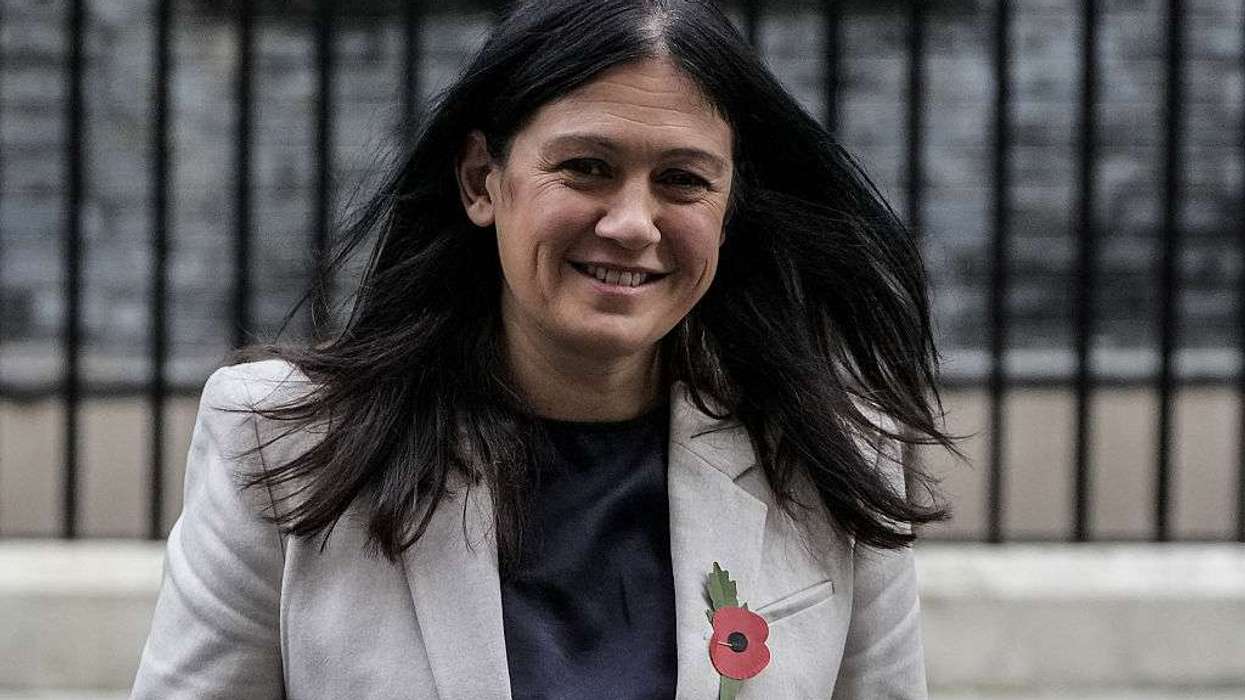
CULTURE SECRETARY Lisa Nandy is considering forcing broadcasters and entertainment companies to adopt independent safeguards against sexual abuse, warning that misconduct in the industry is probably continuing despite years of scandals.
Her comments came as comedian Russell Brand was sentenced to 10 years and six months in prison on Monday (9) after being convicted of raping one woman and sexually assaulting three others.
Brand, 51, was found guilty last Thursday (5) of offences committed between 2004 and 2009. He denied the charges. Sentencing him at Southwark Crown Court, judge Joel Bennathan said Brand had believed that fame meant he could act as he liked, without regard for the rules followed by others.
Speaking before the sentencing, Nandy said the conviction should prompt a fundamental change in how the entertainment industry deals with allegations of abuse and protects people who speak out.
“I would wager that this is probably happening today, and I don’t think that the industry is doing enough to tackle it,” she told Sky News.
In an interview with the BBC's Sunday with Laura Kuenssberg, she said she could not honestly claim that the problem had disappeared.
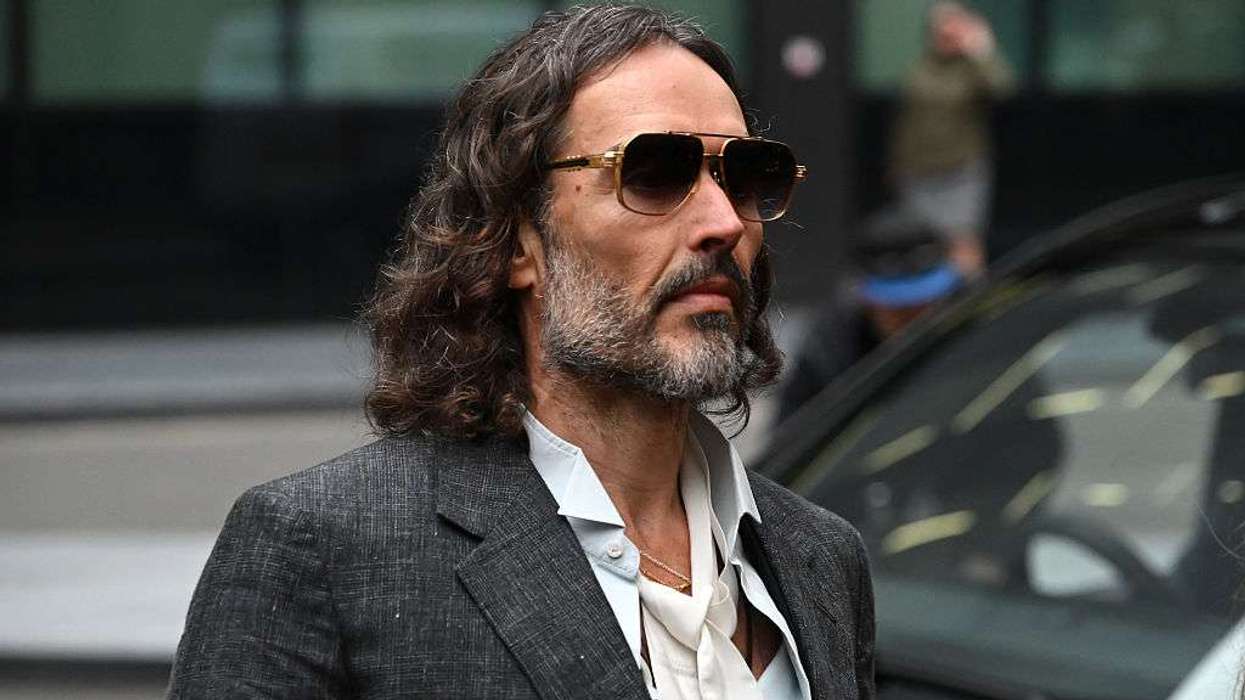 Russell Brand arrives at Southwark Crown Court on November 05, 2026 in London, England. (Photo by Alishia Abodunde/Getty Images)
Nandy added that she had heard from people who had experienced misconduct but were often afraid to challenge employers because speaking out carried a heavy personal and professional cost.
“I do not see that much has changed in terms of the way that institutions in the media industry and across public life, including politics, deal with women who very bravely come forward to allege abuse,” she said.
Watchdog membership could become compulsory
Nandy urged media and entertainment organisations to join the Creative Industries Independent Standards Authority (CIISA), an independent watchdog established to tackle bullying, harassment and other misconduct across television, film, music and theatre.
The organisation's whistleblowing service has received about 50 reports since it opened in June. Its formal launch is due later this month. BBC and Channel 4 are among the organisations that have already signed up.
However, Nandy warned that the government could consider making participation compulsory if companies failed to take action voluntarily.
“I would also say to them that if they don’t, we are considering what further steps we can take as a government to mandate that sort of action,” she said.
Describing Brand's case as a potential turning point, she said: “I think we’ve got a responsibility to them to make sure that we draw a line in the sand here and treat this as a watershed moment.
“I can absolutely lead that change, but I can’t do it alone. And I’m asking media and entertainment organisations now to step up and really treat this as the wake-up call that it has to be.”
The authority's chief executive Jen Smith said the watchdog could identify patterns of harmful behaviour across different projects, employers and creative sectors, allowing it to intervene when concerns emerged.
BBC facing questions over earlier complaint
Nandy's intervention follows revelations that Brand was banned from the BBC's Los Angeles offices in 2019, four years before a joint investigation by The Times, The Sunday Times and Channel 4's Dispatches exposed allegations of rape and sexual assault against him.
A woman, identified by the pseudonym Olivia, had alleged that Brand exposed himself to her in the BBC building in 2008. She said she had been reluctant to report the incident because of embarrassment and fears about the consequences of challenging a high-profile performer.
The BBC said it was concerned that some people had felt unable to raise complaints about Brand's behaviour and apologised for the culture and failings at the time.
Nandy said the entertainment industry needed to ensure that people who report abuse were protected rather than left to face the consequences alone.
Brand is also under investigation by the Metropolitan Police over two other alleged rapes. Police have indicated that further women may come forward.