
Highlights
- Shahid Kapoor claims much of what appears organic on social media is paid promotion.
- The actor says producers and marketing budgets are now as important as star power.
- He believes box-office success is increasingly being used to silence criticism.
- Kapoor says the industry needs greater freedom to experiment with different genres.
‘Most of what we see is bought’
Shahid Kapoor has raised concerns about the growing influence of paid social media campaigns on public conversations around films, arguing that much of the online buzz audiences see today is far from organic.
Speaking about the changing nature of film promotion, Kapoor said people often mistake sponsored visibility for genuine public enthusiasm. According to the actor, marketing has become so central to the industry that producers now play an equally important role in determining a film’s success.
He said that in today's environment, it is difficult for films or actors to gain attention without significant promotional spending. Kapoor added that much of the positive commentary circulating online is driven by paid campaigns rather than spontaneous audience reactions.
Why he rejects the star-power narrative
The actor also questioned the idea that a film's box-office performance can be credited solely to its lead star.
Kapoor said the industry is no longer in an era where actors can claim full ownership of a blockbuster's success. Instead, he believes commercial victories are the result of several factors coming together, including marketing, distribution and financial backing.
The actor, whose Kabir Singh became one of the biggest Hindi films of 2019, said it would be wrong for him to take sole credit for a major hit in today's landscape.
What Kabir Singh taught him about criticism
Kapoor pointed to Kabir Singh as an example of a film that sparked strong disagreements while still achieving enormous commercial success.
He recalled that many viewers and commentators openly challenged the film despite its box-office performance, something he considers healthy for cinema. In contrast, he believes today's industry often treats financial success as proof that a film should be beyond criticism.
According to Kapoor, there is now a tendency for people to align with popular opinion once a film starts making money, reducing opportunities for meaningful discussion.
A call for more variety in cinema
Kapoor warned that the lack of open debate could encourage filmmakers to repeatedly pursue the same type of commercially successful projects.
He said only a limited style of cinema appears to be working consistently at present and argued that the industry should be willing to take risks on different genres. Greater diversity in storytelling, he said, would ultimately benefit both filmmakers and audiences.
Kapoor will next be seen in Cocktail 2, which also stars Kriti Sanon and Rashmika Mandanna. The film is due to arrive in cinemas on June 19.


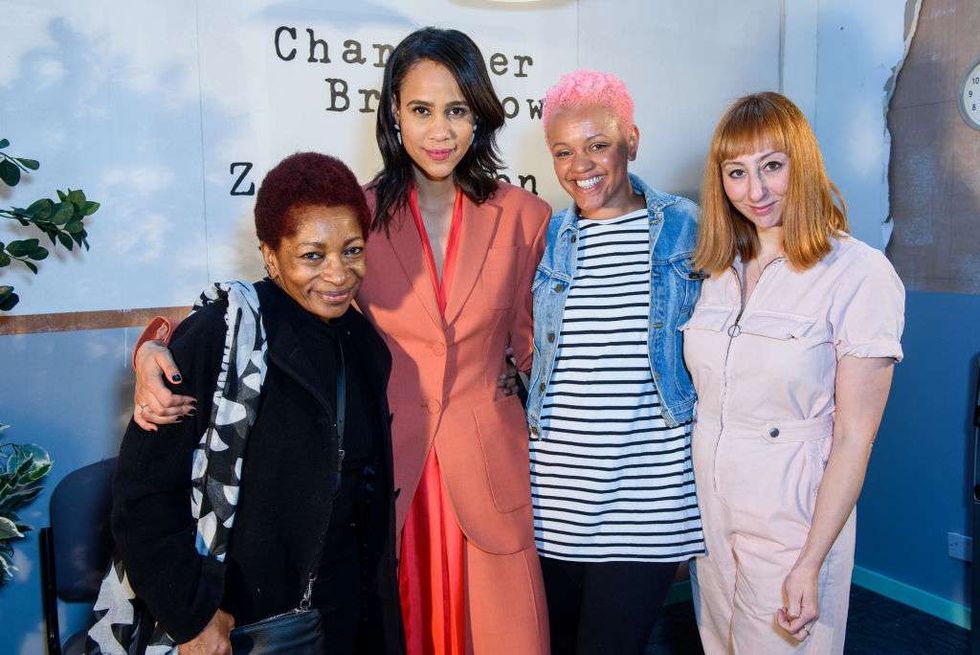 Bonnie Greer, Zawe Ashton, Gemma Cairney and guest at the "Character Breakdown" by Zawe Ashton book launch at Wild By Tart on April 03, 2019 in London, England. Photo by Joe Maher/Getty Images
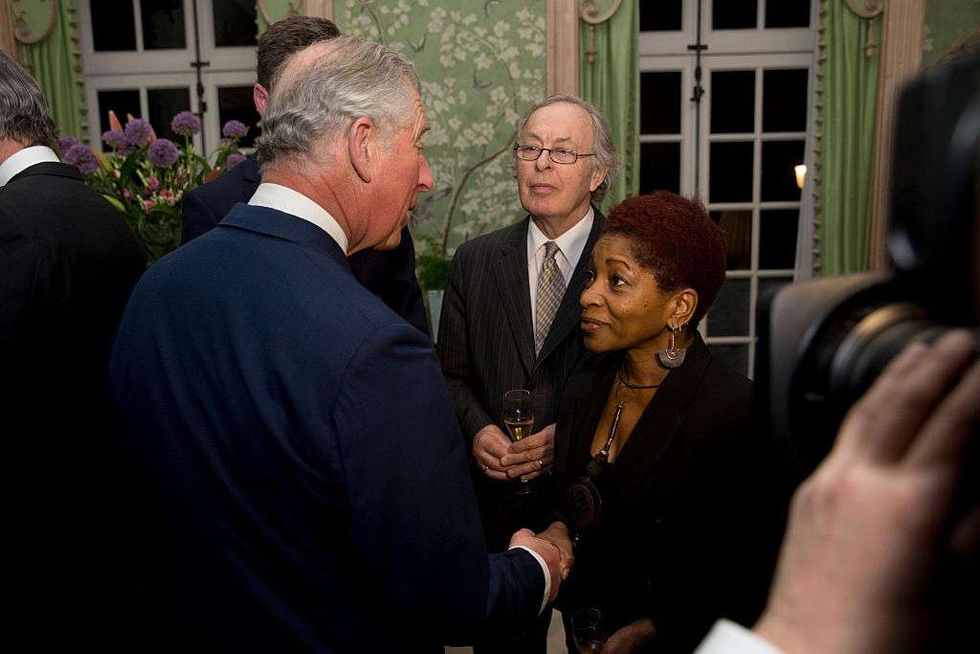 Prince Charles, Prince of Wales meets American-British playwright, novelist and critic Bonnie Greer, right, during a reception for Americans living and working in the UK, at the official residence of the U.S. Ambassador to Britain, Winfield House on March 9, 2015 in London, United Kingdom. The reception was held Monday evening ahead of Prince Charles and his wife Camilla visiting the U.S. next week. Photo by Matt Dunham - WPA Pool/Getty Images
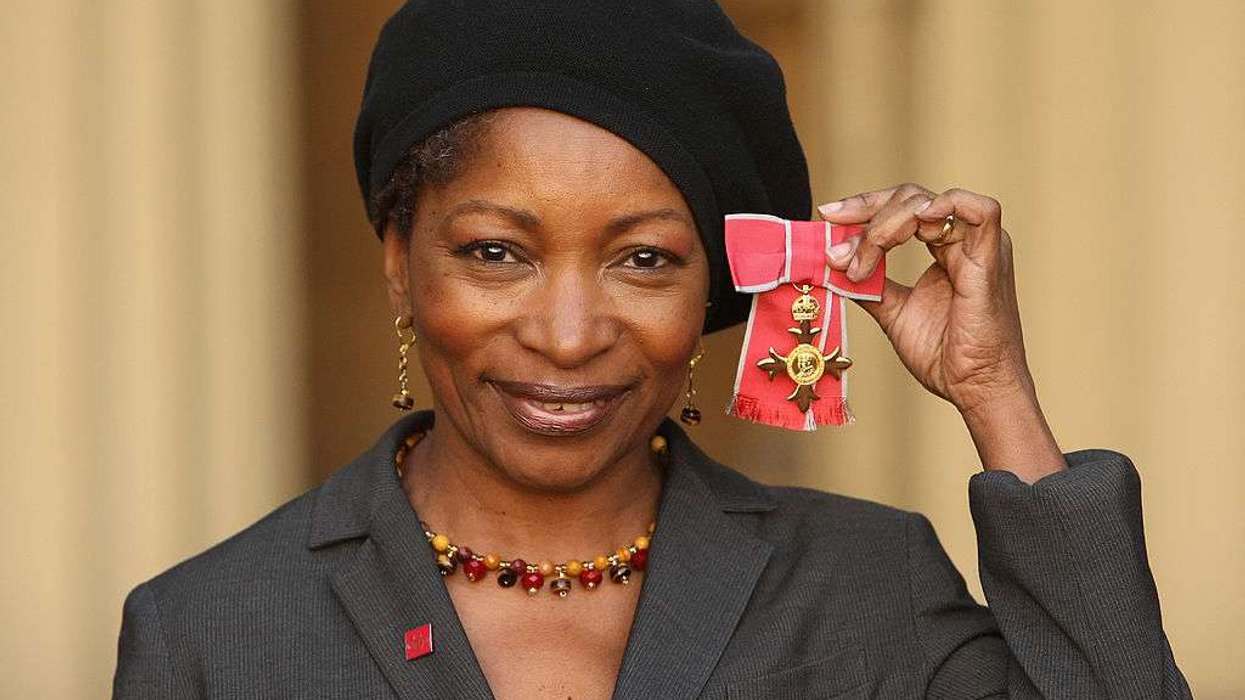
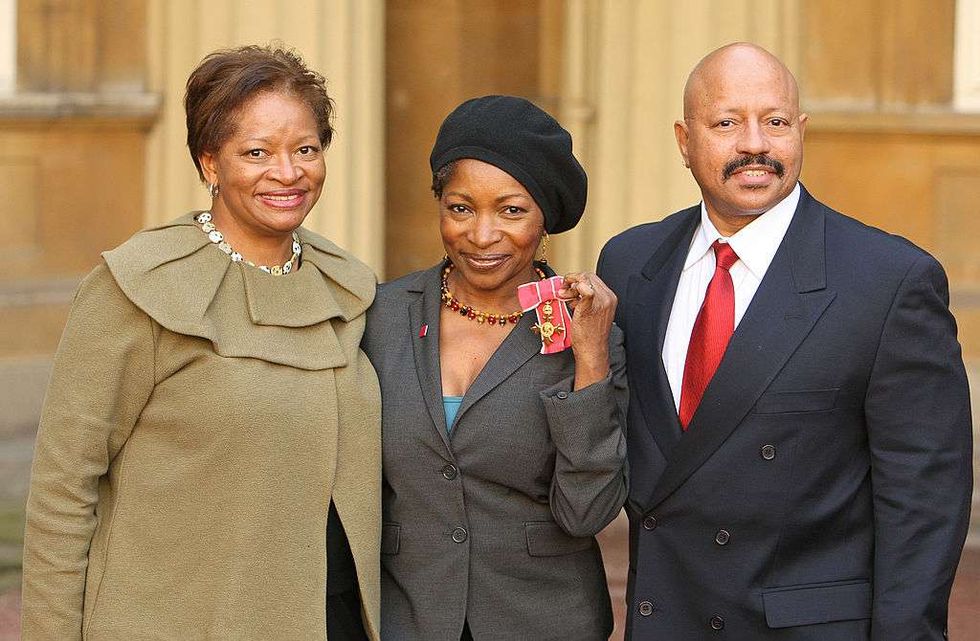 Playwright Bonnie Greer, (C) poses with her sister Regina Greer-Smith, and brother-in-law Theron Smith, after she was awarded her Officer of the British Empire (OBE) medal from the Prince of Wales, at an investiture ceremony at Buckingham Palace, November 19, 2010 in London. Dominic Lipinski - WPA Pool/Getty Images