
SEVEN years ago, Sanjay Leela Bhansali’s Padmaavat graced the silver screen, captivating audiences with its grand narrative and visual splendour. A historical drama rooted in legend, the film brought to life the tale of Rani Padmavati, a Rajput queen celebrated for her courage and sacrifice. Despite facing significant controversy and protests prior to its release, Padmaavat emerged as both a critical and commercial success, solidifying its status as a landmark in Indian cinema.
Padmaavat exemplified Bhansali's unique style, with extravagant sets, intricate costumes, and stunning cinematography that set new benchmarks for historical dramas. The film's grandeur was balanced with a hauntingly beautiful score that elevated the story to a whole new level. However, its cinematic brilliance also sparked debates concerning the balance between historical representation and artistic interpretation, further cementing its place in cinematic history.
The film's brilliance also stemmed from its outstanding performances. Deepika Padukone exuded beauty and strength as Rani Padmavati in one of her finest roles. Ranveer Singh delivered a career-defining performance as Alauddin Khilji, portraying the character's brutality and ambition. Shahid Kapoor, as Maharawal Ratan Singh, embodied dignity and quiet strength, while Jim Sarbh as Malik Kafur and Aditi Rao Hydari as Mehrunissa added depth and complexity to the narrative.
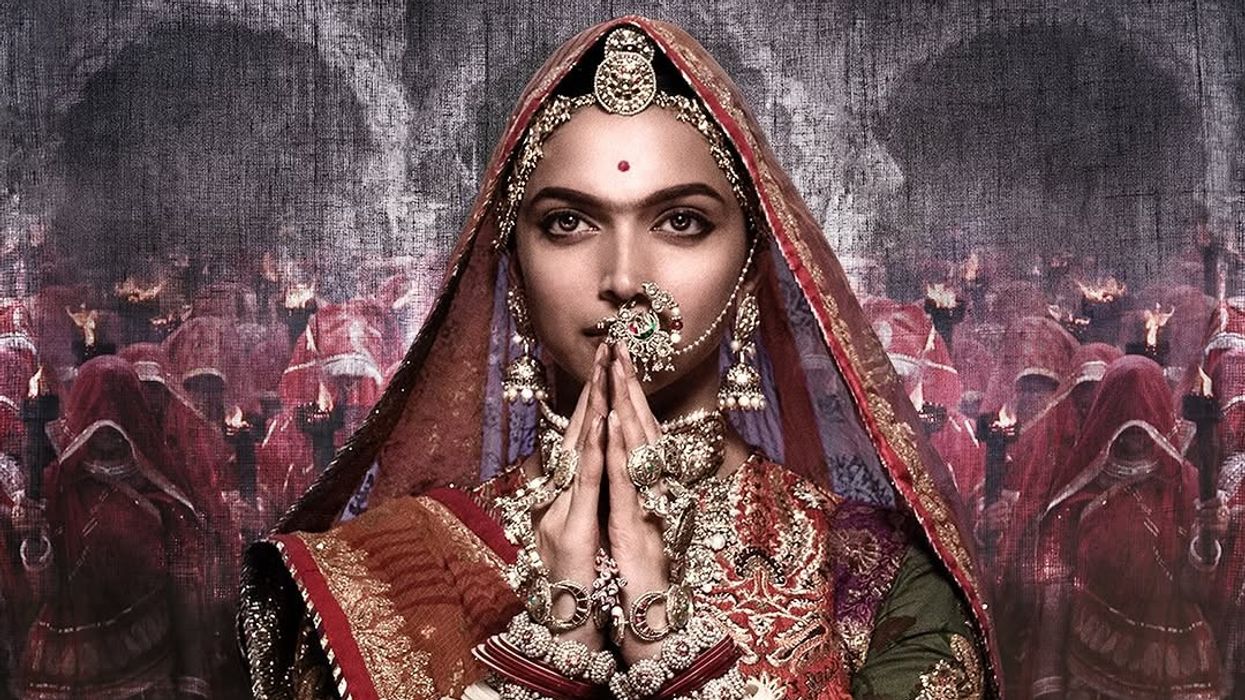
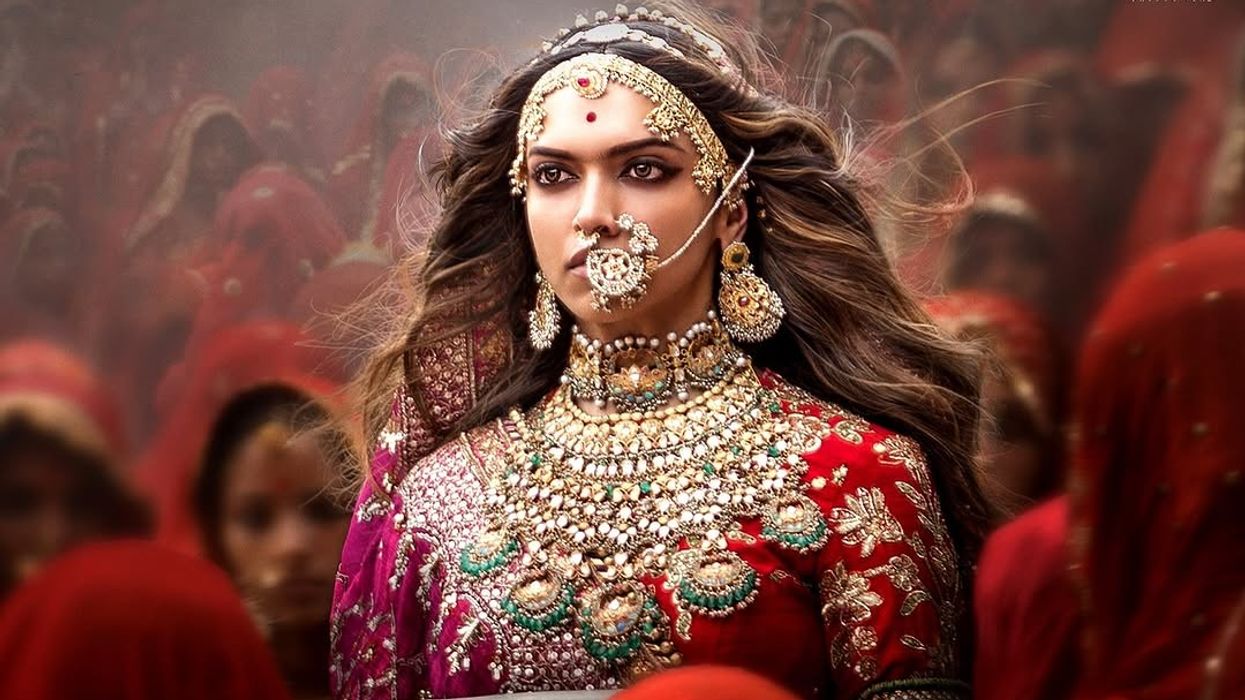 Experience the epic saga of Padmavati, a story of valor and beauty that transcends timeInstagram/bhansaliproductions
Beyond its opulent aesthetic, Padmaavat explores universal themes such as love, honour, sacrifice, and the complexities of human nature. These themes resonated with moviegoers across cultures, contributing to the film's global success. The depiction of Rani Padmavati's jauhar and the concept of self-sacrifice became some of the most debated aspects of the movie.
Padmaavat also sparked serious discussions about historical authenticity and creative licence, raising important questions regarding artistic freedom and filmmakers' responsibilities when portraying history. These debates extended beyond the film itself, prompting broader reflections on the relationship between art and cultural representation in Indian cinema.
As Padmaavat celebrates its seventh anniversary with a re-release on February 6, audiences have an opportunity to once again experience Bhansali's epic vision. The film's lasting impact lies not only in its artistic excellence but also in its ability to push boundaries, spark critical conversations, and leave an enduring mark on Indian cinema years after its release.